
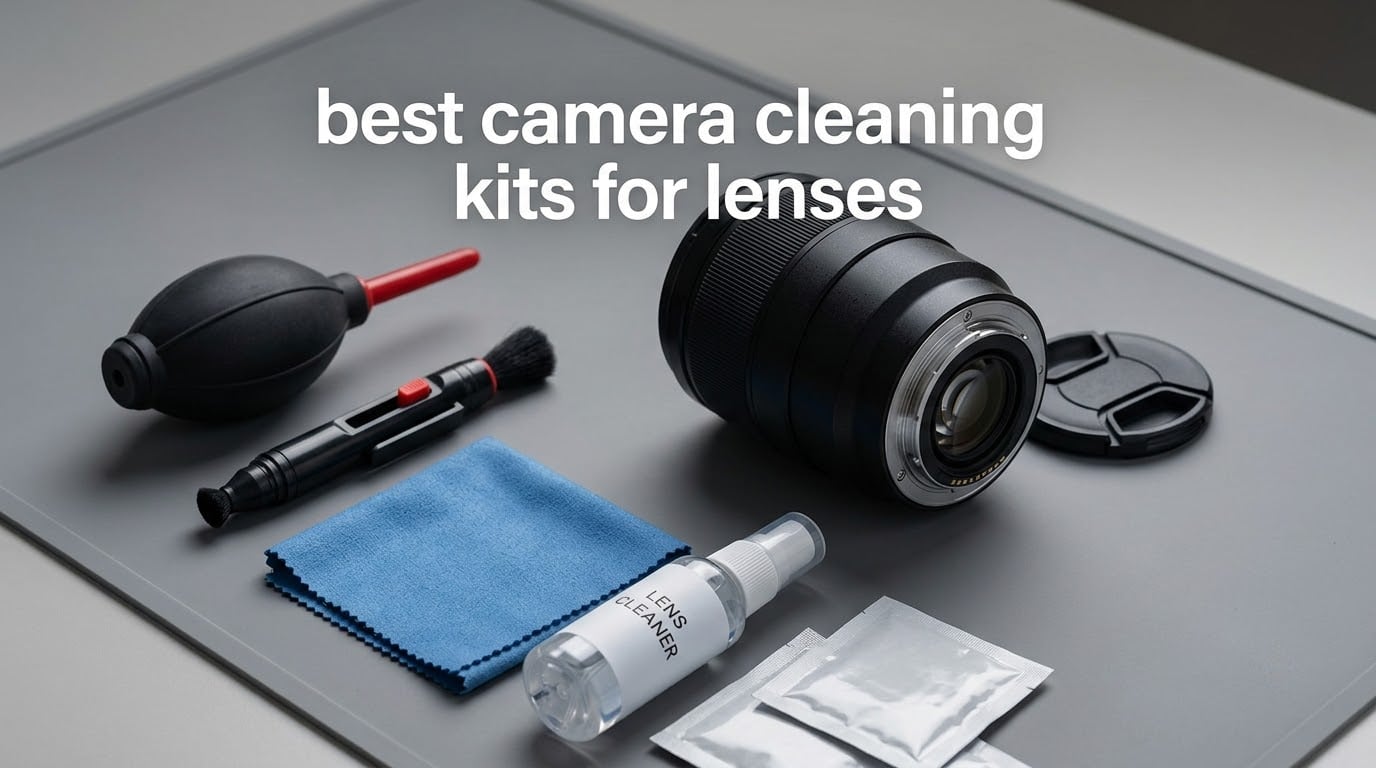
The fastest way to ruin a good lens is not a cheap body, a bad battery or a dropped tripod. It is a cloth. Specifically, a slightly dusty cloth dragged across the front element, grinding a single particle of silicon dioxide into a coating that cost more than most of the cameras it sits on. I have watched a perfectly good zoom lose contrast overnight to that mistake, and the repair quote was worse than replacing the lens.
That is why the best camera cleaning kits for lenses matter more than their packaging suggests. A good kit is not a bag of interchangeable plastic parts; it is a small system that lets you remove grit before you remove smudges, in the right order, with the right fluid. The category is full of near-identical options with wildly different contents, so the real decision is which tools you actually need and which pieces are filler.
We compared 10 of the highest-rated kits on hand, then put them through the same routine: blow, brush, wipe, and inspect under angled light. Last updated October 2026. If you also work with other optics, our [optics cleaning kit guide](https://marchforsciencesv.com/best-optics-cleaning-kits/) covers eyepieces and binoculars with the same method. Readers who clean other precision instruments will find the [microscope cleaning and maintenance kits](https://marchforsciencesv.com/best-microscope-cleaning-and-maintenance-kits/) breakdown useful for the same anti-static reasoning.
One thing we learned quickly: technique outweighs brand. A veteran photographer on the pixls.us photography forum put it plainly, saying he pays more attention to how he cleans than to which fluid he uses, because no solution in the world stops you grinding sand into your coatings. Every kit below is judged against that standard first and its box contents second.
Table of Contents
Top 3 Camera Cleaning Kits for Lenses in 2026

ZEISS Lens Cleaning Kit
- Ammonia-free lens spray
- Two 8 oz bottles
- Reusable washable microfiber cloth
Altura Photo Kit
- Complete blower pen cloth set
- Alcohol and ammonia-free spray
- 50 tissue wipes

The ZEISS kit takes the top slot on evidence rather than on novelty: more than 12,000 owner reviews, an ammonia-free formula, and a washable cloth that will outlast the bottles. The Altura Photo box is the most complete single purchase, and the CamKix kit is the strongest full set if you want blower, pen, tissue and cloth without buying four things.
All 10 Camera Cleaning Kits at a Glance
| Product | Specs | Action |
|---|---|---|
| ZEISS Lens Cleaning Kit |
|
Check Latest Price |
| CamKix Complete Cleaning Kit |
|
Check Latest Price |
| Altura Photo Lens Cleaning Kit |
|
Check Latest Price |
 K&F CONCEPT 4-in-1 Kit K&F CONCEPT 4-in-1 Kit |
|
Check Latest Price |
 KuuZuse APS-C Sensor Kit KuuZuse APS-C Sensor Kit |
|
Check Latest Price |
 Movo Deluxe Essentials Kit Movo Deluxe Essentials Kit |
|
Check Latest Price |
 K&F CONCEPT 10-in-1 Kit K&F CONCEPT 10-in-1 Kit |
|
Check Latest Price |
 Zacro 14-in-1 Cleaning Kit Zacro 14-in-1 Cleaning Kit |
|
Check Latest Price |
 K&F CONCEPT 15-in-1 Pro Kit K&F CONCEPT 15-in-1 Pro Kit |
|
Check Latest Price |
 Aispour 10-in-1 Cleaning Kit Aispour 10-in-1 Cleaning Kit |
|
Check Latest Price |
Two patterns stand out. First, every serious kit in this group includes a blower and a cloth; the difference between a good kit and a weak one is what it does between those two steps. Second, kits carrying sensor swabs are a separate category entirely, and the swab sizing matters more than the fluid.
1. ZEISS Lens Cleaning Kit – Two 8 oz Bottles and a Washable Cloth
ZEISS Lens Cleaning Kit – (2) 8 oz Lens Spray & Microfiber Cloths
Ammonia-free lens spray
2x 8 oz spray bottles
Reusable washable microfiber cloth
Pros
- Streak-free finish in daily use
- Safe on anti-reflective and blue light blocking coatings
- Non-toxic and low VOC formula
- Cloth is washable and reusable
- Bottles sized for carrying
Cons
- No blower
- pen or brush for grit
- 8 oz bottles need refilling often
This is a spray-and-cloth kit, not a dust kit, and understanding that is the whole decision. It arrives as two 8-ounce bottles of ZEISS lens cleaner plus a reusable microfiber cloth, and nothing else. There is no blower, no pen and no brush, so it solves smudges and fingerprints and leaves grit to other tools.
That is a genuine limitation, and it is also why this kit keeps working year after year. There is nothing here to break. The formula is ammonia-free, toxic-free and low VOC, and it is listed as safe for anti-reflective coatings, blue light blocking coatings, prescription lenses, sunglasses, binoculars and camera lenses. The bottles measure 4.33 by 5.51 by 5.51 inches, which is a genuinely carryable size for a camera bag pocket.
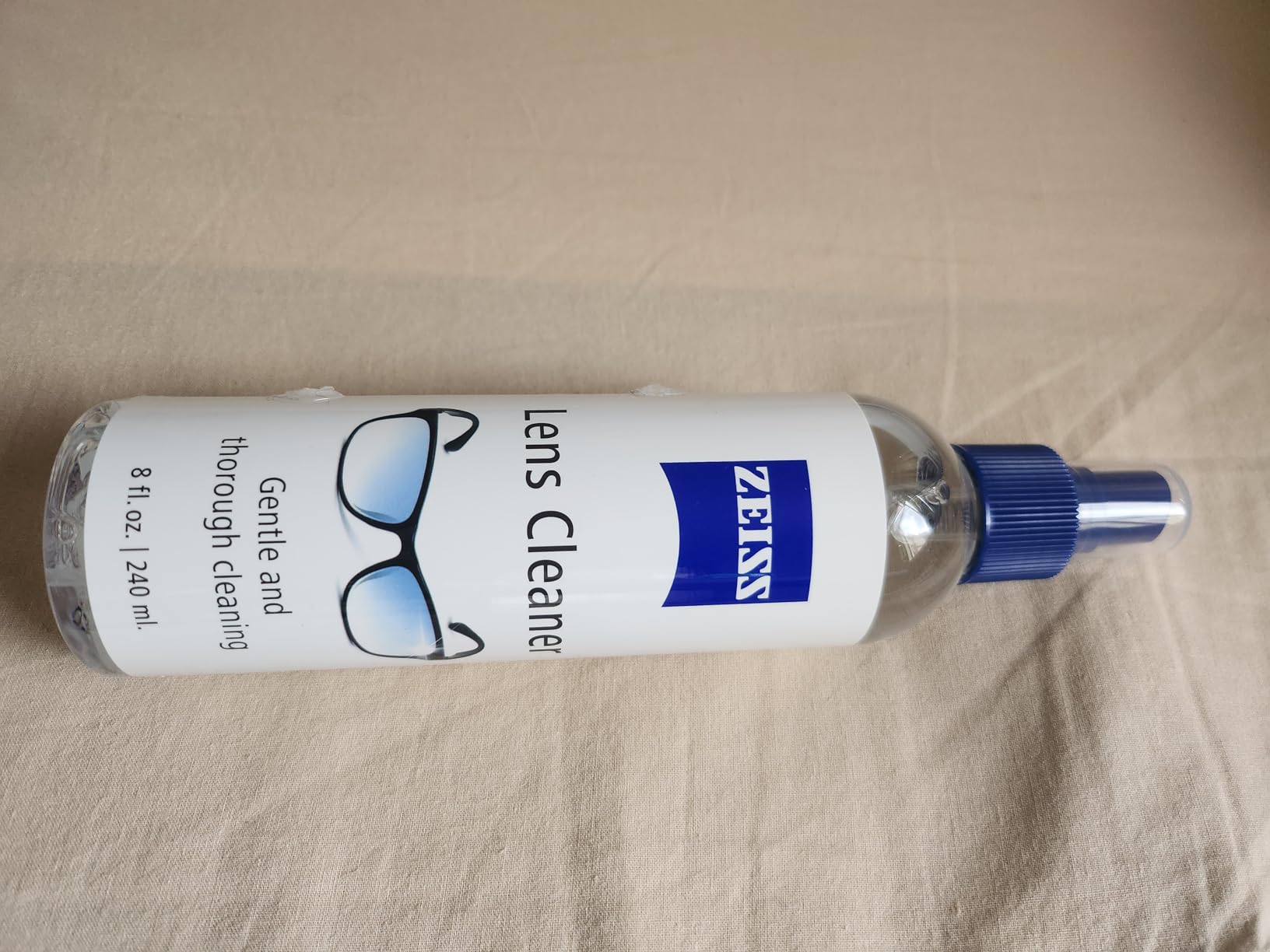
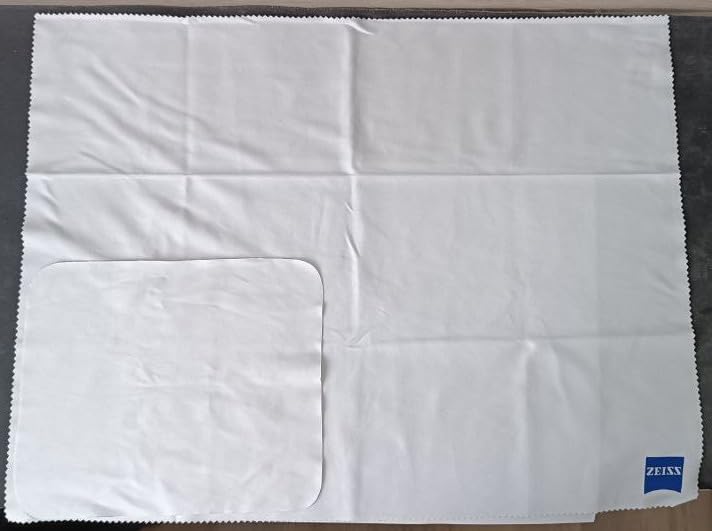
In use, the cloth is the piece that matters. Applied with a couple of drops rather than a soaked surface, it lifts fingerprints and returns a clean, streak-free finish under angled light. More than 12,000 owners rate it 4.6 out of 5, and the recurring note is that people have been using the same setup for years rather than replacing it annually.
The cloth is washable, which is where the value argument actually lives. Zeiss moist wipes are repeatedly named as the best-value consumable in the photography forum threads we reviewed, and that is because a washable cloth divided by a year of use costs almost nothing. The 8-ounce bottles are modest, so you will refill them, but the fluid itself is what people run out of first.
Who it suits best
Owners with a clean, indoor or studio workflow. If your lenses live in a padded shelf or a dry cabinet and you mainly fight fingerprints, this is the kit to own. It also suits anyone cleaning binoculars, a viewfinder eyepiece or a pair of prescription glasses on the same desk.
It is the safest pick for a gift, too, because there is no technique required beyond dampening a cloth. A beginner cannot ruin a lens with it.
Who should buy something else
If you shoot on a beach, a dusty road or anywhere with grit in the air, you need a blower first and this kit does not include one. Dry-wiping a sandy front element with a clean cloth is the exact failure mode that scratches coatings.
Anyone who wants a single box to do everything should look at the Altura Photo or CamKix kits instead, both of which include a blower and a pen alongside fluid and cloth.
2. CamKix Complete Kit – Blower, Pen, Tissues and Cloths in One Pouch
Camkix Camera Lens Cleaning Kit – Air Blower, 2in1 Lens Cleaning Pen, Cleaning Brush, Spray Bottle w/Cleaning Solution, Lens Cleaning Paper Tissue (50 Sheets), Microfiber Cleaning Cloths- for Lenses
Air blower
2-in-1 lens pen
50 tissue sheets
5 microfiber cloths
Alcohol-free fluid
Pros
- Complete all-in-one tool set
- Strong battery-free air stream
- Pen has a non-drying element
- 50 sheets of soft lens tissue
- Alcohol-free solution
Cons
- Plain brush can shed loose bristles
- Some cloths release lint at the edges
- Pouch is tight to reseal
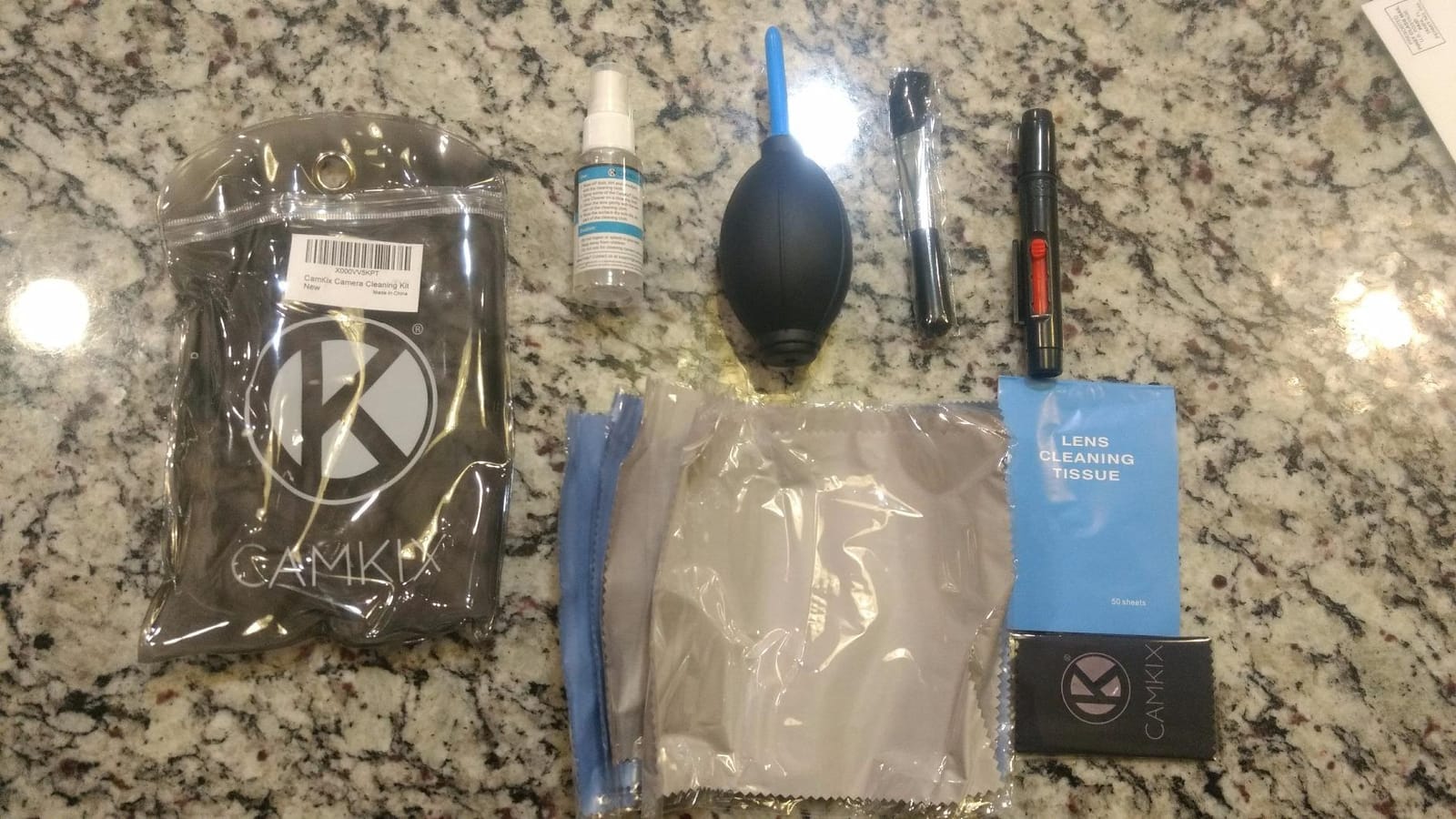
The CamKix kit is the answer to the most common question in this category, which is what is actually inside one of these boxes. You get a battery-free air blower, a 2-in-1 lens pen, a separate cleaning brush, a spray bottle with alcohol-free solution, 50 sheets of lens cleaning tissue and five extra-soft microfiber cloths in mixed sizes. The whole set weighs 5.44 ounces and works with any camera.
That is a real kit rather than a marketing list, and each piece has a job. The blower moves loose dust without touching the coating, the pen handles fingerprints and debris stuck in crevices, the tissue is for fast field wipes where a cloth would be too bulky, and the cloths are for the final buff. Reviewers single out the blower and the tissue as the standouts, which matches how we used it.
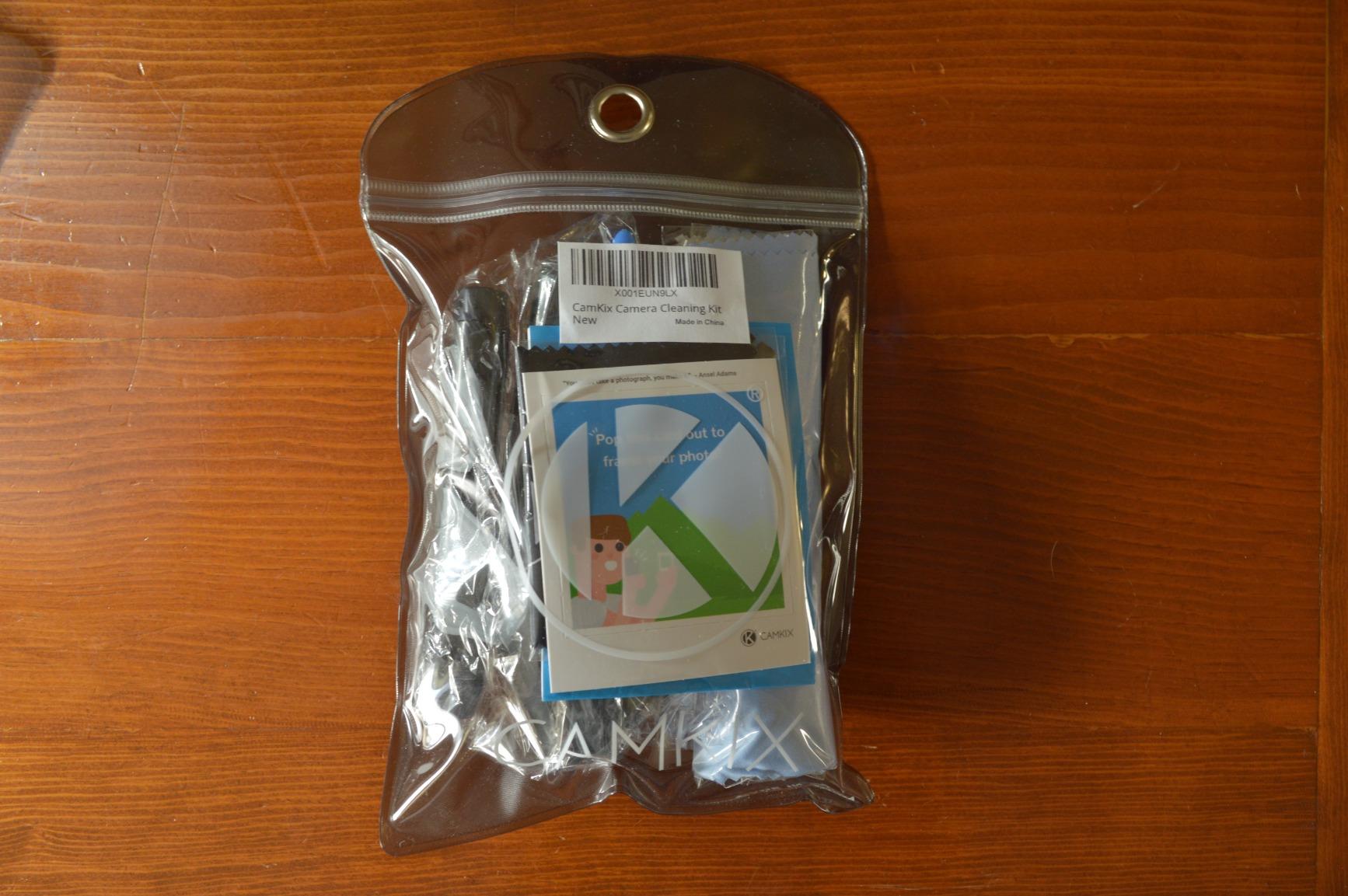
The 2-in-1 pen deserves a note. One end is a retractable dirt brush, the other is a non-liquid cleaning element that never dries out. That means the tool still works on a cold mountain shoot after a month in a bag, and it does not need replacing when a solution bottle runs dry. In a category where consumables run out, a tool that never expires is quietly valuable.
The weaknesses are honest and minor. The standalone brush can shed a few loose bristles onto the element, so we used the pen’s retractable brush instead whenever we could. Some of the microfiber cloths release lint from their stitched edges, which is a reason to fold them inward before you touch glass. And the re-sealable pouch is snug, so expect to repack it rather than drop everything back in.
Who it suits best
Travellers and anyone who wants one purchase instead of four. The pouch keeps the set together in a camera bag, and the 10 ml solution volume is sized to travel rather than to stock a shelf. It is a strong first kit for a new camera owner.
It is also the one we would hand to a photographer who works events and needs fast, repeatable wipes between shots rather than a considered cleaning session.
Who should buy something else
There is no hard case, so on a dusty trip the tools are exposed inside a soft pouch. If your kit lives in a car boot or a beach bag, the Altura Photo or Zacro kits with rigid storage boxes hold up better.
Sensor work is out of scope here, because no swabs are included. If you own an interchangeable-lens body and clean your own sensor, start with the KuuZuse or Movo kits.
3. Altura Photo Lens Cleaning Kit – The One Box That Covers Every Step
Altura Photo Camera Lens Cleaning Kit, Lens Cleaner for DSLR & Mirrorless
2 oz alcohol-free spray
Blower, pen and brush
3 MagicFiber cloths
50 tissue wipes
Pros
- Highest rating in the group at 4.7
- Complete set in one box
- Alcohol-free and ammonia-free formula
- Works across Canon
- Nikon
- Sony and Fujifilm gear
Cons
- Only 2 oz of solution per bottle
- Some pieces go unused
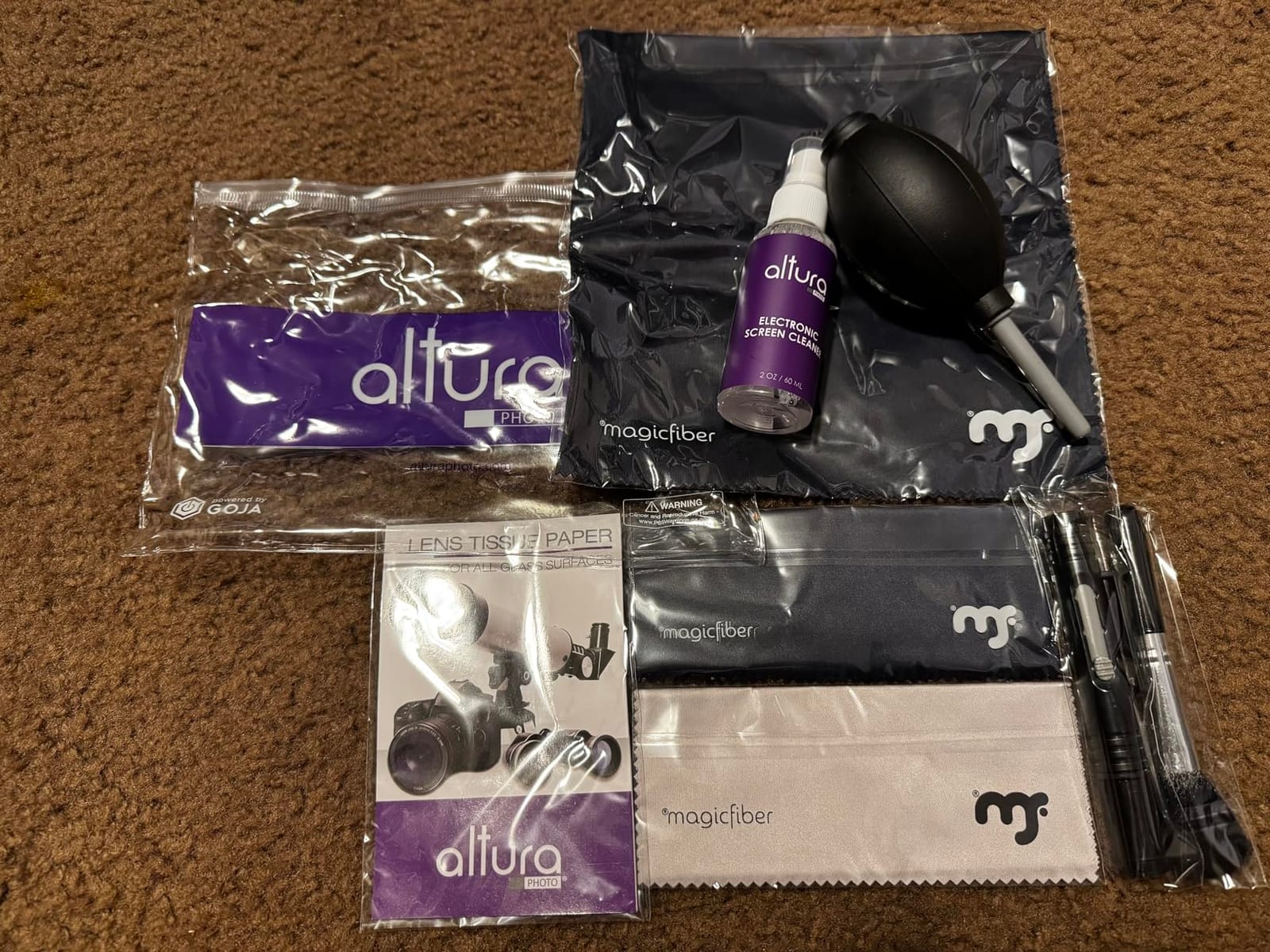
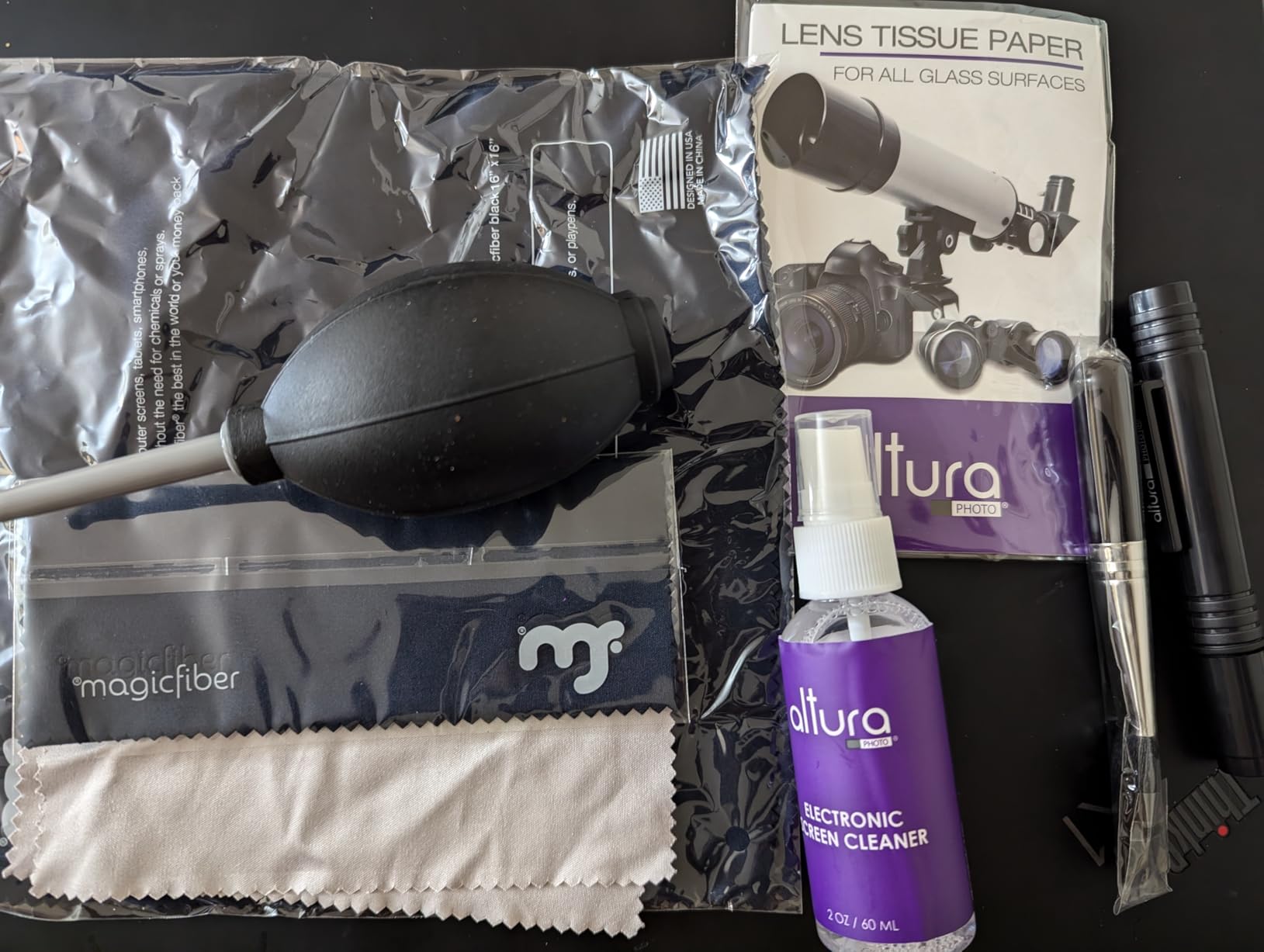
The Altura Photo kit is the most straightforward answer to what makes a good camera and lens cleaning kit. Inside one box you get an alcohol-free, ammonia-free, odour-free spray, a brush, a lens pen, an air blower, three MagicFiber microfiber cloths and 50 lens tissue wipes. It carries a number 7 best-seller rank in camera and photo cleaning kits, and 6,229 owners rate it 4.7.
What sets it apart is that the pieces are ordered the way you actually clean. The rocket-style blower clears the loose dust, the pen lifts what is stuck in the barrel or on a filter thread, the spray and cloth remove the film, and the tissue wipes handle quick touch-ups. You can run that sequence without improvising, which matters more than it sounds when you are working in bad light.
The fluid is the quiet strength. It is formulated for anti-reflective and multi-coated glass, which is exactly the surface people are nervous about touching. MagicFiber cloths are described as leaving no scratches and no streaks on delicate lens surfaces, and in our angled-light checks the finish was consistently even.
Compatibility is broad, covering Canon EOS, Nikon D and Z, Sony Alpha, Fujifilm X, Olympus, Pentax, Sigma and Tamron. If you have been wondering whether a lens cleaning kit works across brands, this is the one where the answer is unambiguously yes.
Who it suits best
New and intermediate photographers who want a complete, correct-by-default routine without researching ten products. The spray, pen, cloth and tissue combination covers beginner, travel, wedding and wildlife work, which is why it is our pick for the widest audience.
It also works well as a shared kit in a household with several cameras or lenses, because nothing in it is model-specific.
Who should buy something else
The 2 oz bottle is small, so heavy users will refill it often. If you clean a full-frame body and two or three lenses every week, the Movo kit with 100 ml of fluid is the better fit.
There are no sensor swabs here either. The kit cleans lenses, filters, bodies and screens very well, but touching a sensor with it is not the plan.
4. K&F CONCEPT 4-in-1 Kit – The Smallest Complete Set
K&F CONCEPT 4 in 1 Camera Lens Cleaning Kit for Photography Beginner
Silicone blower
Lens pen with carbon head
2 vacuum-packed microfiber cloths
Pros
- Compact enough for any camera bag
- One-way air intake prevents back-suction
- Pen combines brush and carbon head
- Cloths arrive vacuum-packed
- Two-year manufacturer warranty
Cons
- Cloths feel thin
- Blower body attracts dust
- No sealed storage pouches included
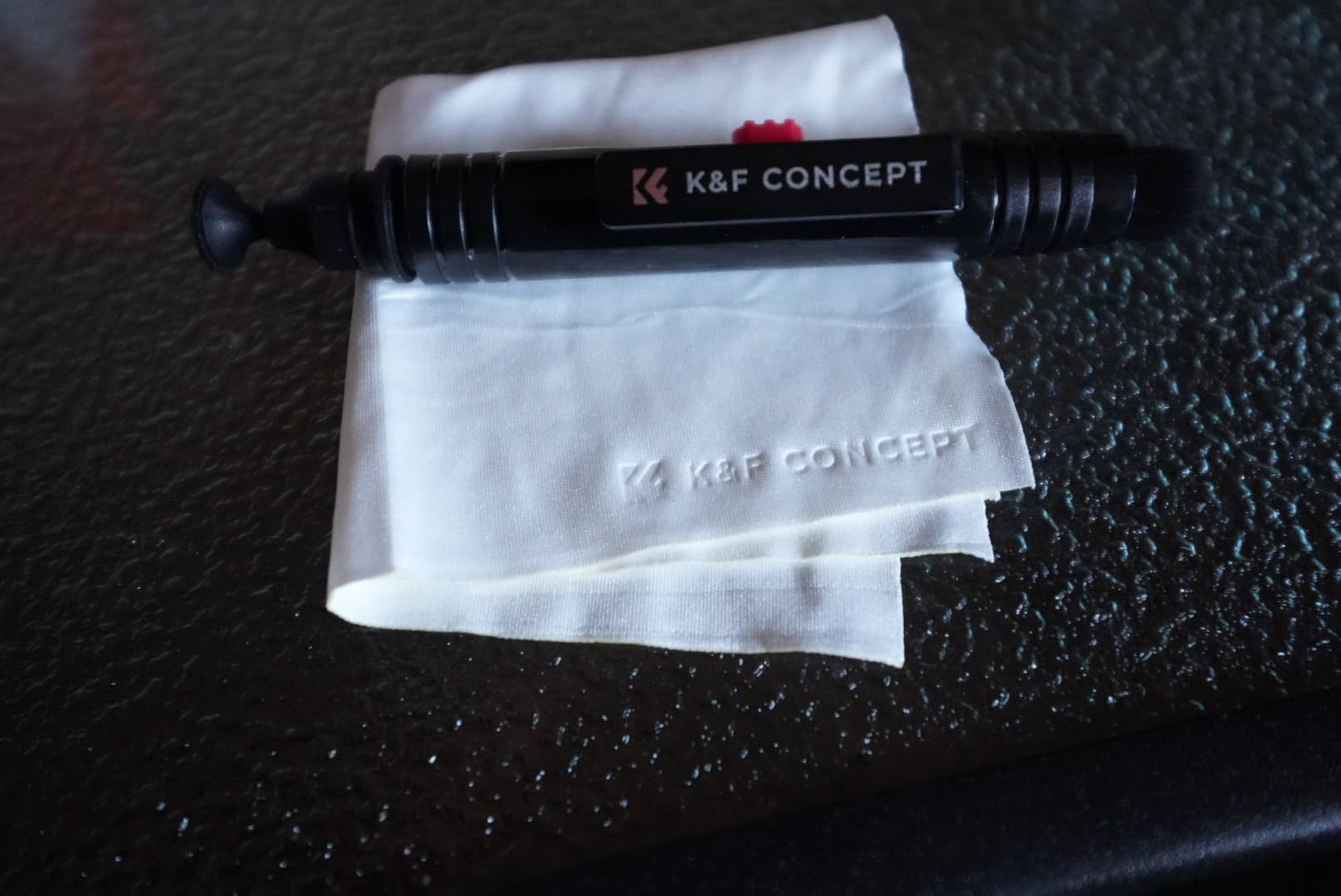
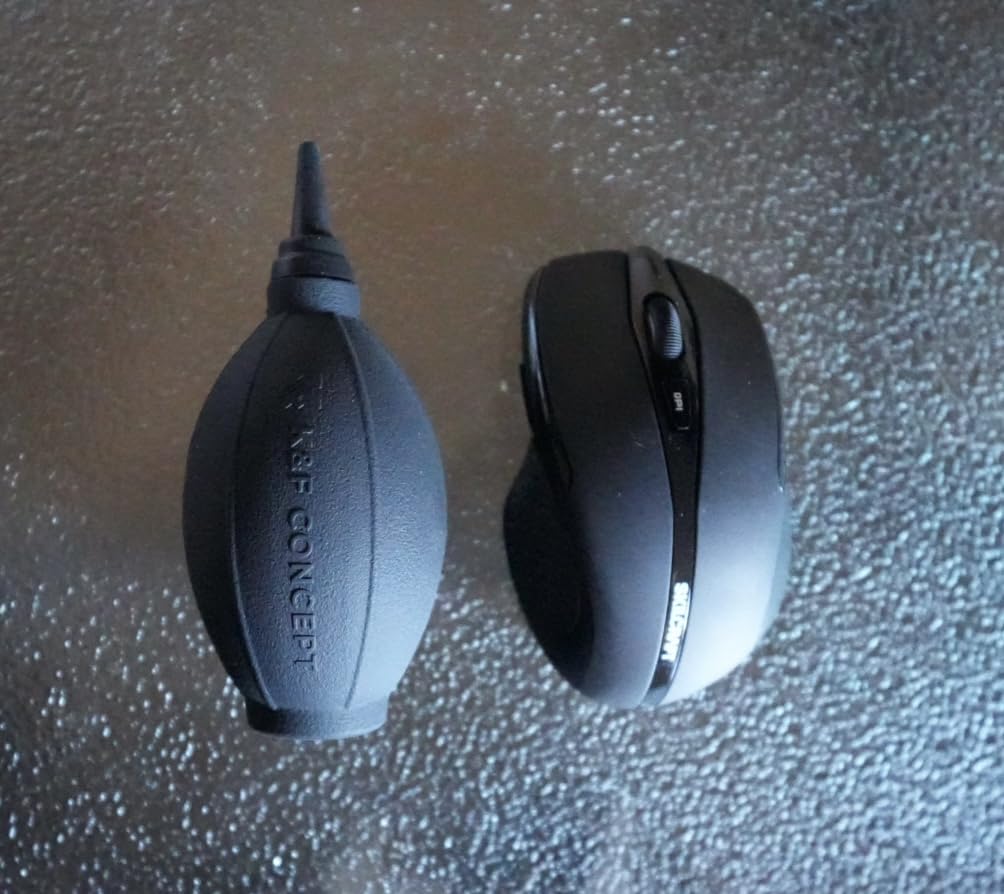
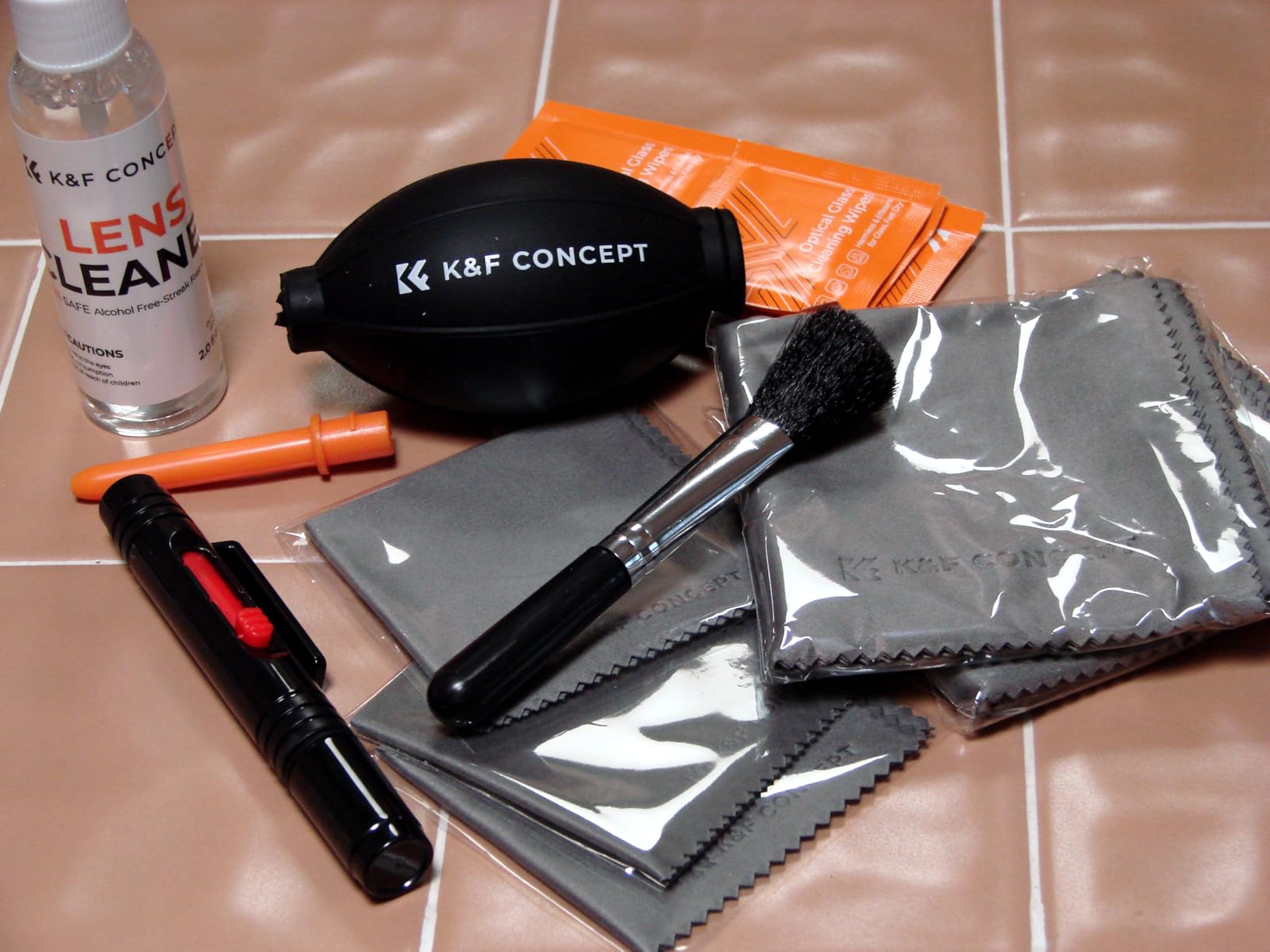
Four pieces, 3.52 ounces, and no filler. The K&F CONCEPT 4-in-1 set contains a dust blower, a lens cleaning pen and two microfiber lens cleaning cloths, which is the shortest path to a correct clean we found. More than 4,000 owners rate it 4.7, and it holds a number 4 best-seller rank in the category.
The blower is the reason to buy it. It is soft silicone with a one-way air intake and a high volume, which means it cannot suck dust back in through the same path it blows from. That detail is what stops you moving a particle from your desk onto the element, and it is a specification most budget blowers get wrong. The pen pairs a soft lint-free brush with a circular carbon head for fingerprints and viewfinder grime.
The cloths arrive individually vacuum-packed, which is a nicer detail than it sounds. A microfiber cloth sitting loose in a bag for a month collects the grit you are trying to remove, and the vacuum packaging means your first clean starts from a dust-free surface. They are machine washable and reusable after that.
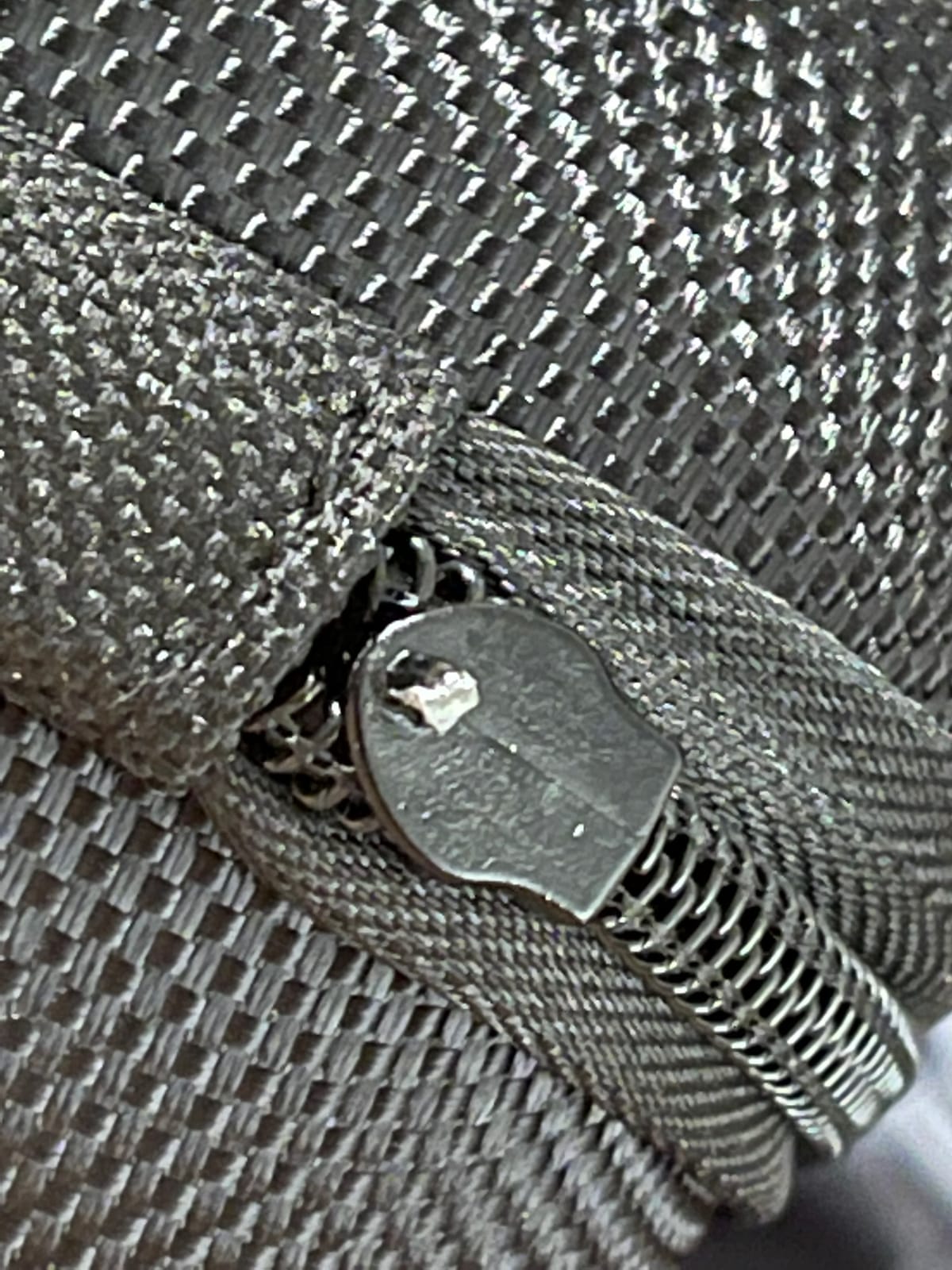
Two things to know. The cloths are on the thin side and feel less substantial than the cloths in larger kits, so treat them gently. And there are no sealed pouches in the box, so once the kit is opened, put the pieces somewhere clean or they will pick up grit in your bag. Owners also note the brush side of the pen can loosen at the joint over time.
Who it suits best
Anyone who wants the blower-first method and nothing more. If your cleaning routine is blow, brush the barrel, buff the front element, this is enough, and it will live in a pocket rather than dominate a bag.
It is also the one we would buy first as a second lens on a trip, because its size and the two-year manufacturer warranty make it an easy recommendation to a friend.
Who should buy something else
There is no cleaning fluid in this set, so you will need a bottle of your own. Pairing it with the ZEISS spray gives you a complete setup with two small purchases instead of one large one.
If you work wet, sandy or on a boat, the vacuum-packed cloths lose their edge quickly once damp, and a kit with a proper storage case holds up better.
5. KuuZuse APS-C Kit – Sized Swabs for DIY Sensor Work
KuuZuse Professional DSLR Camera Cleaning Kit with APS-C Cleaning Swabs, Microfiber Cloths, Camera Cleaning Pen, for Camera Lens, Optical Lens and Digital SLR Cameras.
30 ml cleaner
APS-C swabs in 16 mm and 24 mm
Vacuum-sealed swabs
Carrying bag
Pros
- Only kit here with dedicated APS-C swabs
- Swabs arrive individually vacuum-sealed
- Two cloth sizes for lenses and bodies
- Portable carrying case included
Cons
- Swabs are single-use and the count is small
- Full-frame users need larger swabs
- Case and blower are functional
- not premium
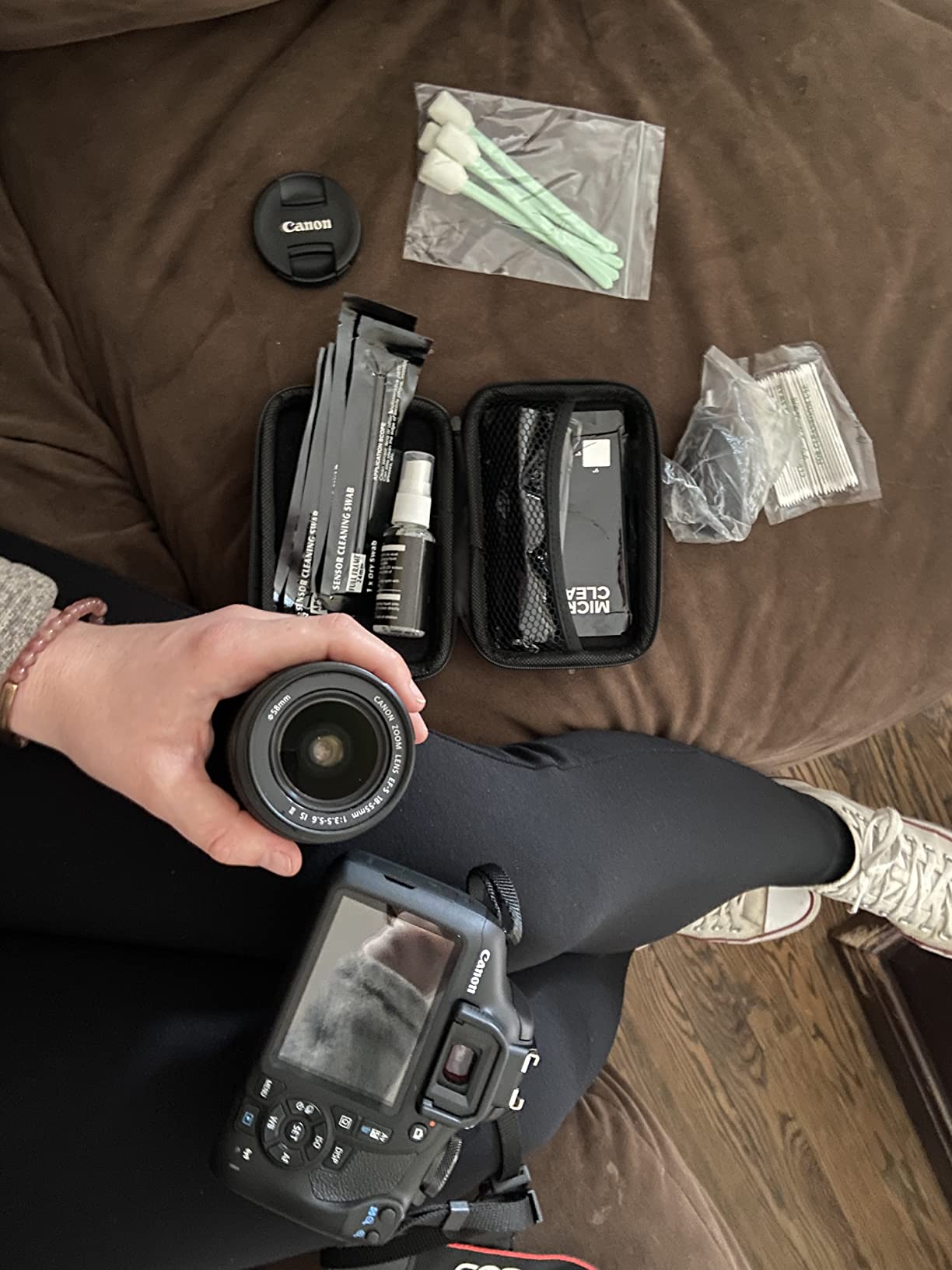
This is the kit that changes the conversation from lenses to sensors. The KuuZuse set includes 30 ml of lens cleaner, an air blower, a double-sided cleaning pen, a brush, microfiber cloths in 9 by 9 inch and 6 by 6 inch sizes, five depuration sponge swabs, four 16 mm sensor swabs, one 24 mm sensor swab and a carrying bag. It is the only kit in our group with swabs explicitly sized for APS-C.
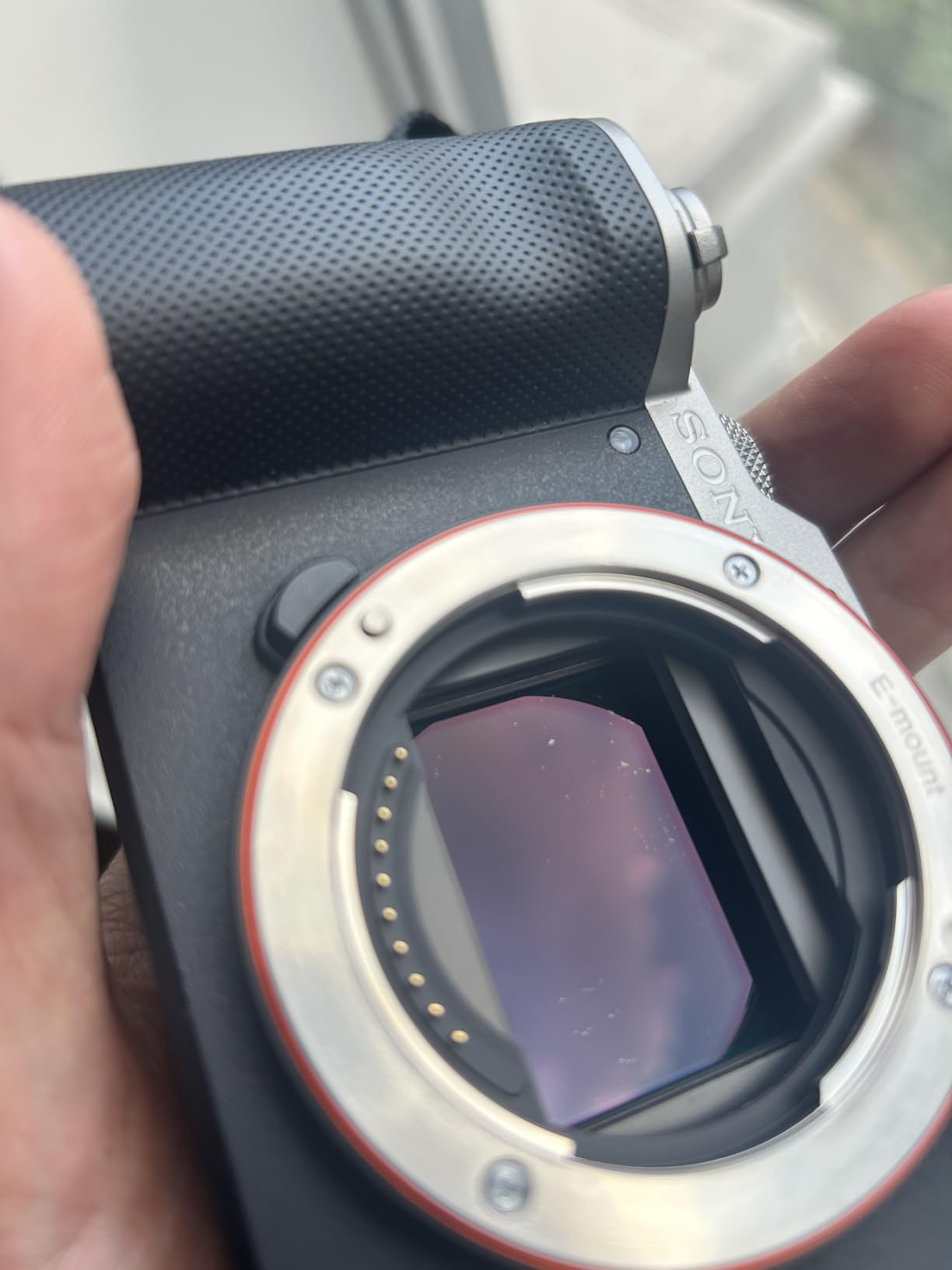
Sizing is the whole point. A swab that is too wide can catch a sensor edge as you draw it across, and a swab that is too narrow wastes swabs on the sensor’s middle band. 16 mm and 24 mm are the sizes that match APS-C, and the fact that the swabs come individually vacuum-sealed means your cleaning session does not introduce the dust you are removing.
For lens work alone, the kit is generous but not special. The 30 ml bottle is modest, the double-sided pen has the same useful combination of a dust brush and a non-drying cleaning element, and the two cloth sizes let you use the small one on a lens barrel and the large one on a body panel. Users report it also works on full-frame sensors without streaking, though it is not the sized-for-purpose option there.
Be realistic about the trade. Sensor swabs are single-use, and the included count is small, so this kit delays your first professional service rather than eliminating it. Several owners also point out that a small amount of toner on the pen head is normal manufacturing residue, not dirt on your glass. If you are at all unsure about swabbing, a service visit is still the safe call.
Who it suits best
APS-C owners who already know the technique and want correctly sized swabs on hand. It pairs sensibly with a mirrorless or DSLR body where dust specks appear at wide apertures, and the vacuum-sealed packaging suits anyone who cleans in a location with dust in the air.
If you have been putting off a service visit over cost, this kit handles the routine maintenance that gets you between professional cleans.
Who should buy something else
Full-frame shooters, because the swab sizing does not match a larger sensor and you would be improvising. The Movo kit, with 10 APS-C swabs and 100 ml of fluid, is sized the same way, so full-frame users should look at dedicated full-frame swab kits instead of either of these.
If you only ever clean the front element, this is more kit than you need and the Altura Photo set covers the same job with fewer consumables to keep track of.
6. Movo Deluxe Essentials – 100 ml of Fluid and 10 Swabs
Movo Deluxe Essentials DSLR Camera Cleaning Kit with 10 APS-C Cleaning Swabs, Sensor Cleaning Fluid, Rocket Air Blower, Lens Pen, Soft Brush, 2X Small and 2X Large Microfiber Cloths and Carrying Case
100 ml sensor cleaning fluid
10 APS-C swabs
Rocket blower
Lens pen and plush brush
Pros
- Largest fluid volume in the group
- Highest swab count among these sensor kits
- Rocket blower singled out for airflow
- Two large and two small microfiber cloths
Cons
- Swabs sized for APS-C sensors only
- Plush brush less precise than a dedicated sensor brush
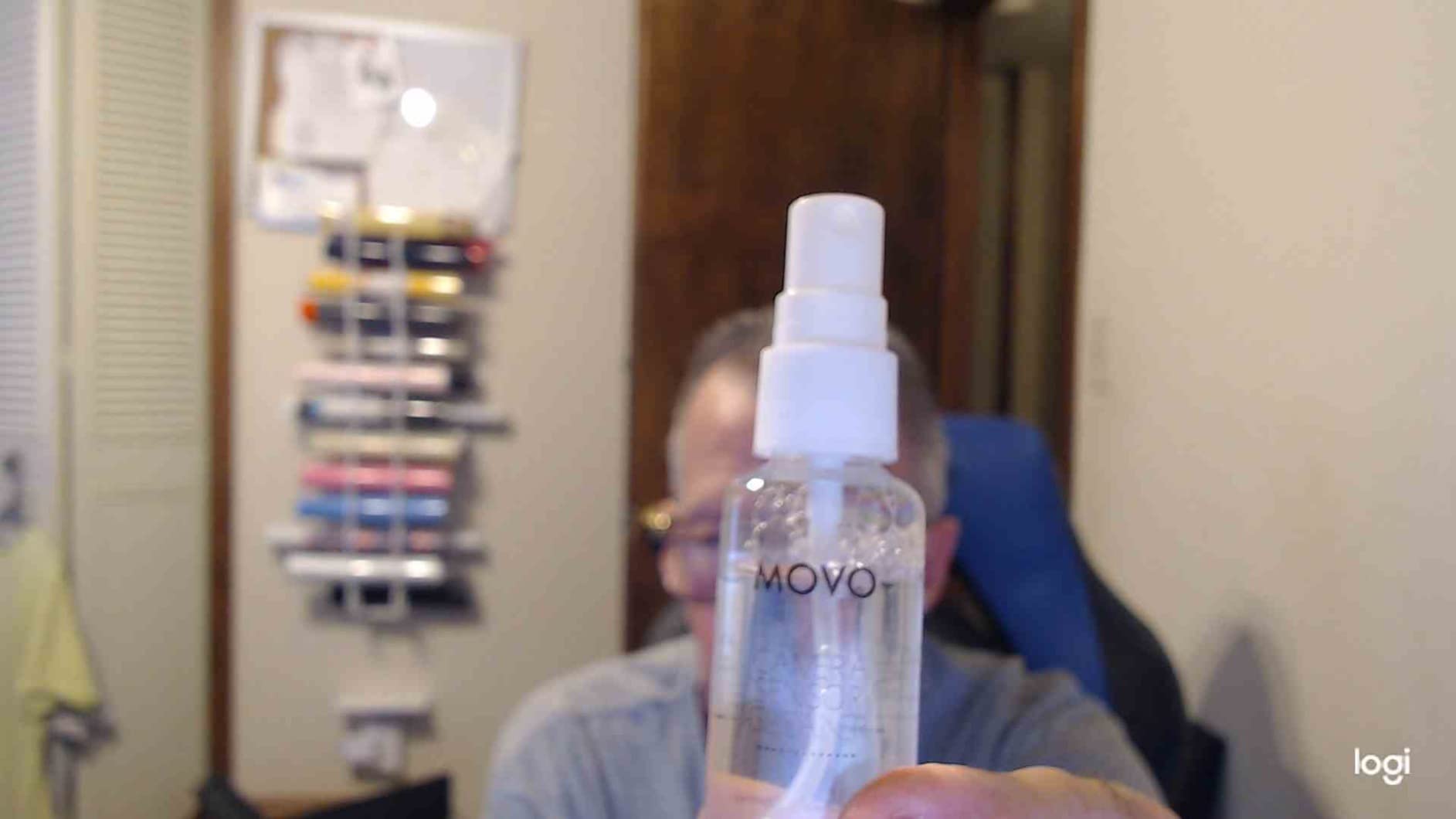
Movo built this one as a maintenance package rather than a lens kit. You get a rocket air blower, 100 ml of tin-oxide sensor cleaning fluid, 10 APS-C cleaning swabs, a carbon-based lens pen, a plush brush, two 9 by 9 inch and two 6 by 6 inch microfiber cloths, and a carrying case. The bottle size is the headline: at 100 ml it is the largest volume of fluid here by a wide margin.
Fluid volume is a dull spec that matters a lot in practice. A 10 ml or 15 ml bottle is gone in a few weeks of regular use, and every refill is another thing to store, carry and buy. A 100 ml bottle means the fluid is the item you think about annually rather than monthly, and the ten swabs are the highest count among the sensor-focused kits in this group.
The rocket blower is repeatedly singled out for airflow, and the pairing with the plush sensor brush reaches dust in the sensor chamber, the battery compartment and other tight spaces. The carbon-based lens pen handles lenses and LCD screens, which makes the kit dual-purpose despite its sensor emphasis.
There are two limits to be clear about. The swabs are sized for APS-C sensors, so full-frame owners should not treat this as a full-frame kit. And the plush brush is broader and softer than a dedicated sensor brush, so it is excellent for loosening dust and less precise for stubborn debris. Use the blower first, the brush second and a swab last, and it behaves exactly as intended.
Who it suits best
Shooters who clean regularly and are tired of restocking. If you own two bodies or run a small studio, the fluid and swab count in this box will outlast most of the alternatives here, and the case keeps the rocket blower from rolling around in a bag.
It is also a sensible complement to a lens-focused kit, since the two cover different jobs rather than duplicating each other.
Who should buy something else
Anyone with a full-frame body who needs correctly sized swabs, and anyone who wants to keep their kit small, because a 100 ml bottle plus a carrying case is the bulkiest option here. The K&F CONCEPT 10-in-1 with its switchable nozzles is the opposite trade: tiny fluid volume, minimal bulk.
Travel shooters should note that sensor swabs are for stationary work, not for cleaning a lens on a windy ridge.
7. K&F CONCEPT 10-in-1 Kit – Long and Short Blower Nozzles
K&F CONCEPT 10-in-1 Photo Camera Cleaning Kit for Lensc,Camera, Cell Phones
Switchable long and short nozzles
15 ml vacuum pump-head cleaner
6 vacuum-packed cloths
Pros
- Switchable nozzles suit different surfaces
- Soft silicone one-way-intake blower
- Cloths resist tearing at the edges
- Works across cameras
- phones
- instruments and filters
Cons
- Smallest fluid volume of the liquid kits at 15 ml
- No sensor swabs
- No case or sealed pouches
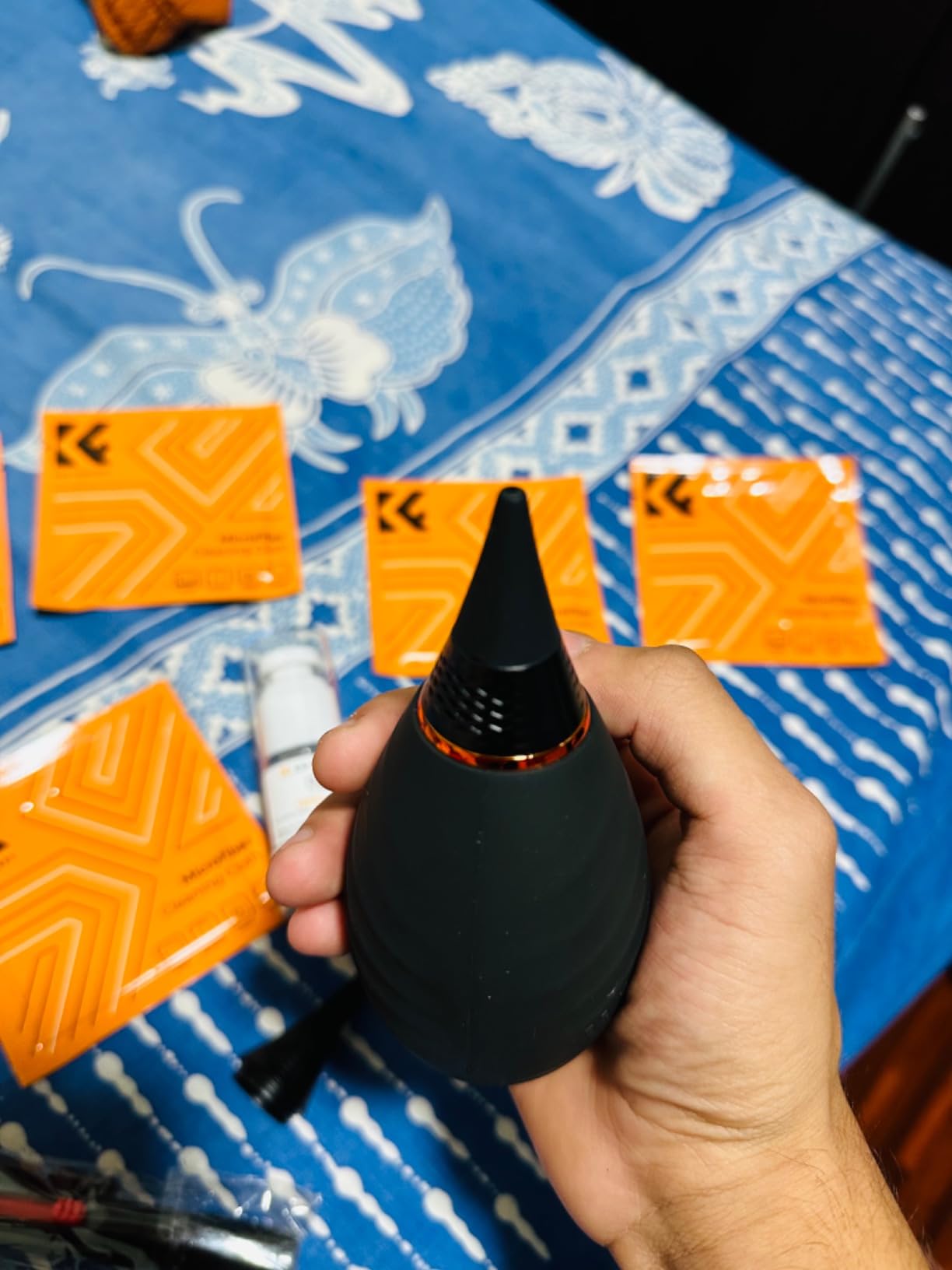
The idea here is a blower you can aim. The kit contains an air blower with a short nozzle and a long nozzle, six 15 by 15 cm vacuum-packed microfiber cloths, a cleaning pen and 15 ml of cleaner in a vacuum pump-head bottle. The long nozzle reaches into sensor and battery compartment gaps, and the short one spreads across lenses, filters and body panels.
That is more useful than it initially sounds. Most blowers in this category force a compromise, either too diffuse to clear a tight gap or too focused to sweep a wide front element. Having both shapes in one tool means you are not angling a fixed nozzle at awkward geometry and hoping.
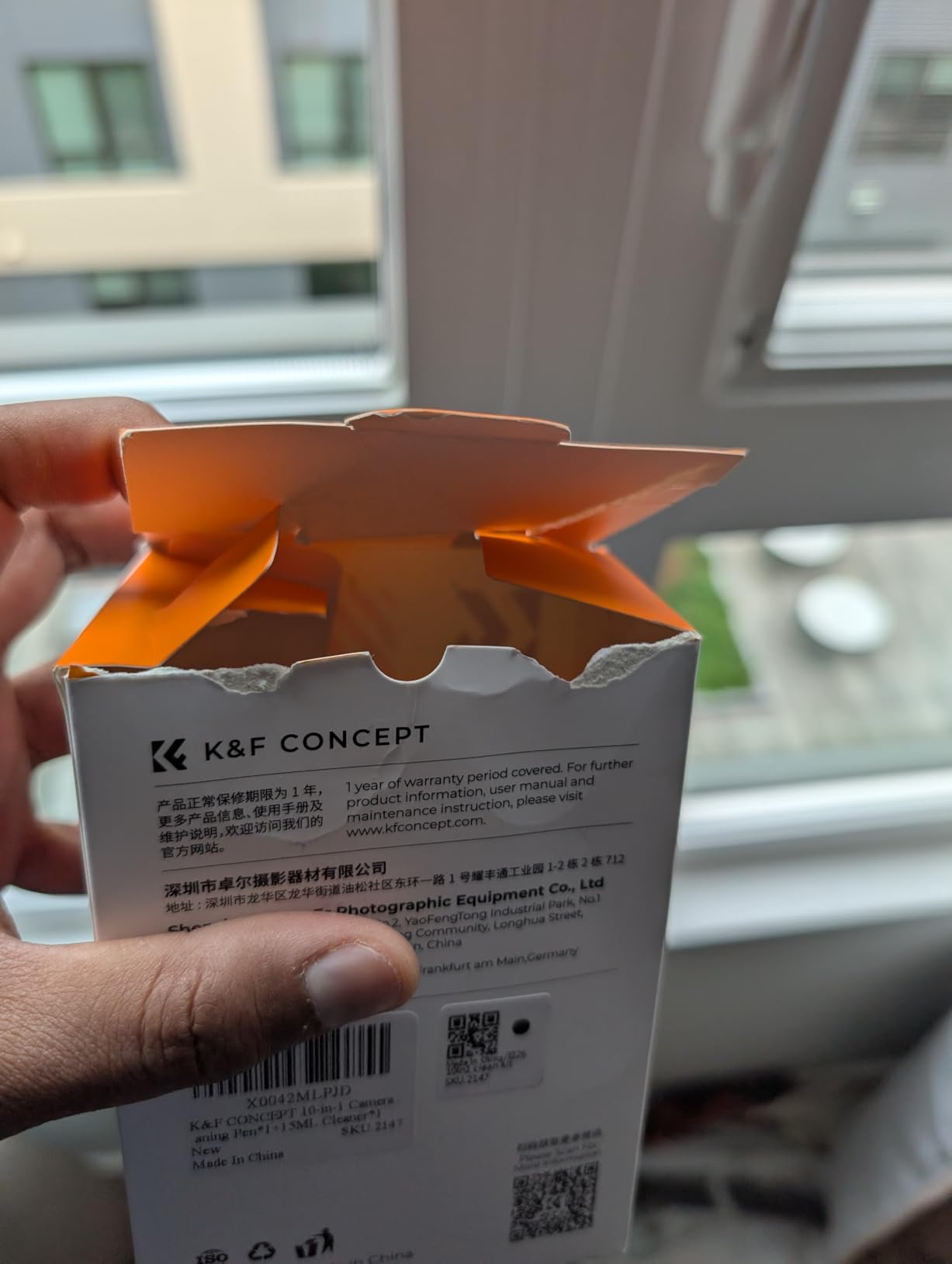
The bottle is the other idea worth understanding. Its vacuum pump head dispenses a small amount of fluid directly rather than spraying a mist across the glass, which suits the way you should clean: a little fluid on the cloth, not on the lens. Owners report the pump head removes oil, fingerprints and dust effectively, and the pen adds a brush and carbon head for stubborn marks.
The trade-offs are volume and scope. Fifteen millilitres is the smallest fluid volume of the kits here that include liquid, so plan refills. There are no sensor swabs, which means this is a lens and body kit rather than a sensor kit. And with no hard case or sealed pouches, the cloths need to go back into something clean. Compatibility is wide beyond cameras, covering phones, keyboards, musical instruments and telescope filters.
Who it suits best
Mirrorless and compact camera owners who want to keep lenses and bodies clean in one small box. The long nozzle is well suited to the tight battery and sensor wells of mirrorless bodies, which is why we would pair this with a compact kit rather than a full-frame one.
It is also a good general-purpose kit if you clean binoculars, scopes and screens between shoots, since the fluid is safe across those surfaces.
Who should buy something else
Anyone who cleans their own sensor, because there are no swabs. And heavy fluid users, since 15 ml will disappear quickly against the ZEISS or Movo bottles.
If a storage case matters to you, the Zacro kit stores everything in a rigid box, which is the safer choice for gear that lives in a vehicle or on a job site.
8. Zacro 14-in-1 Cleaning Kit – Tweezers, Rods and Dry or Wet Bags
14-in-1 Camera Lens Cleaning Kit – Mirrorless & DSLR Sensor Cleaning Kit for Canon, Sony, Nikon Including Lens Blower, Detergent, Swabs, Cloth, Pen, Brush
14 pieces including tweezers
4 cleaning rods
5 dry and wet bags
Storage box
Pros
- Largest component count in the group
- Proper rigid storage box
- Tweezers and rods reach narrow gaps
- Dry and wet bag pairing protects after cleaning
Cons
- 20 ml detergent bottle is small
- Storage box adds bulk
- Overlapping kit variants cause confusion
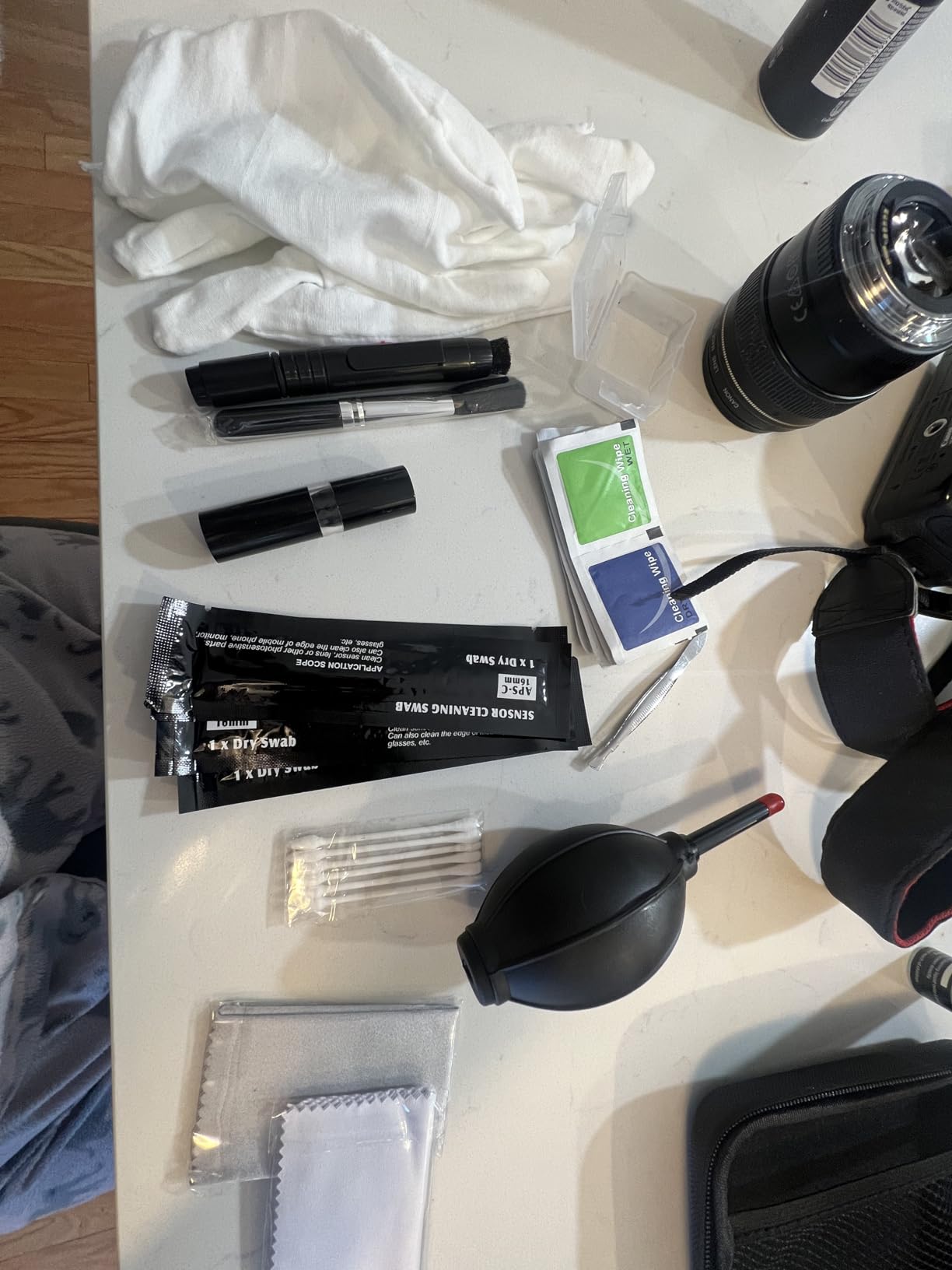
This is the largest box we reviewed, at 14 pieces, and unlike most kits that size it includes the tools you would actually reach for. The contents are an air blower, a 2-in-1 cleaning pen, a brush, a beauty brush, five cleaning cloths, 20 lens papers, four cleaning rods, detergent, five dry and wet bags, tweezers, a storage box, five cotton swabs and an instruction manual.
The tweezers and the four cleaning rods are the differentiators. Rods, in the tradition of lens cleaning, let you hold a cloth in a spiral and clean a barrel or a filter thread from the inside out, which is something no wipe or pen in the other kits can do. Tweezers handle the hair, the insect fragment and the stray screw in a camera body. If you have ever picked grit out of a lens mount with your fingernails, the rods are why this kit exists.
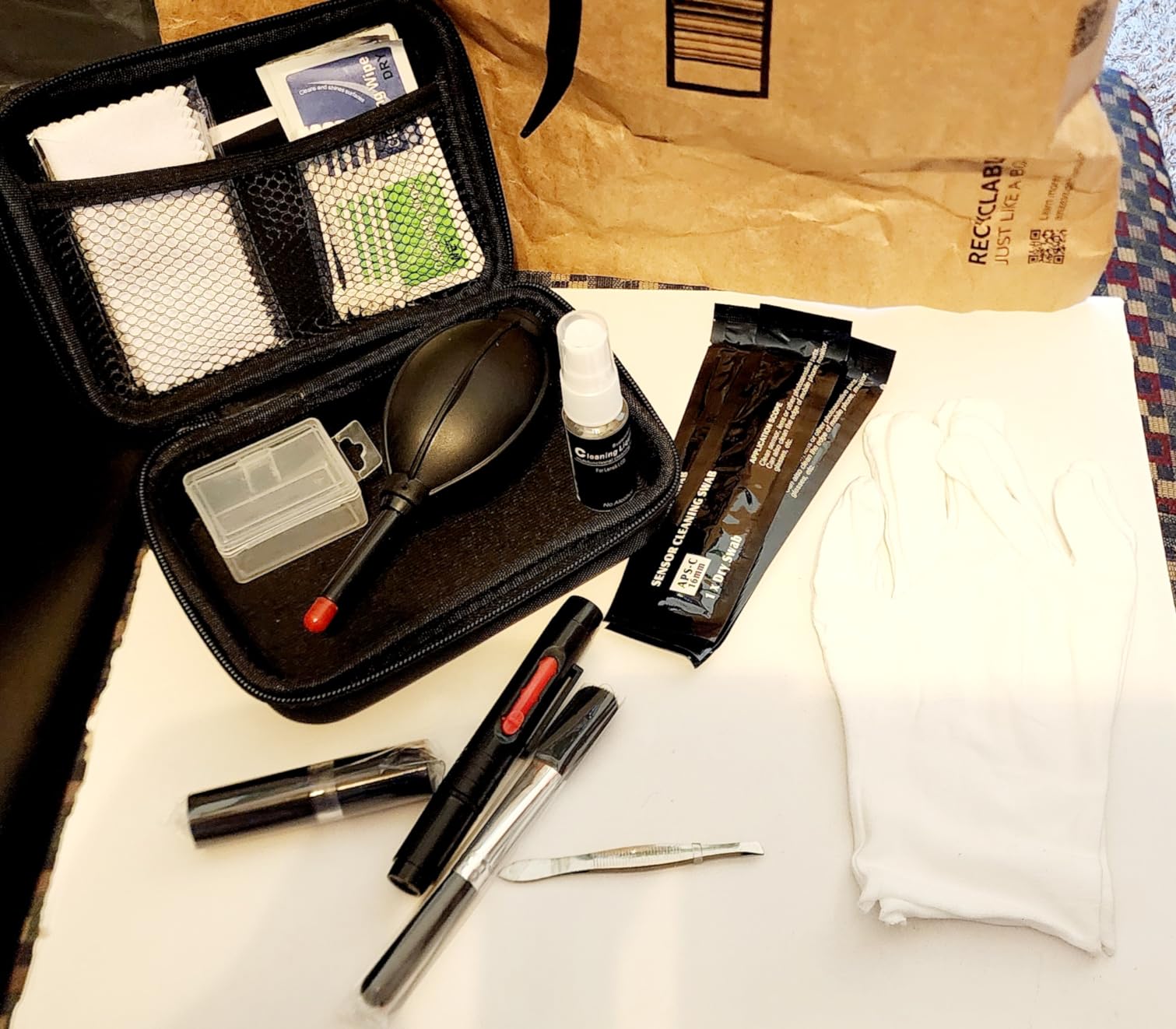
The dry and wet bag pairing is the other piece we would not expect to see and now would not do without. Five of each lets you clean a surface and then store it sealed, which is the simplest defence against the static attraction that pulls dust back onto a clean coating. The formula is non-toxic and alcohol-free and is described as leaving no scratches, streaks or marks.
Fair criticism: the detergent bottle holds 20 ml, which is small, and the rigid storage box adds bulk to a kit meant to live in a camera bag. Owners also report confusion about which variant they received, since the 5-in-1 and 17-in-1 versions sit close to this one in the range. Check the component list before you buy, not just the number in the title.
Who it suits best
Anyone doing periodic deep cleans rather than daily touch-ups, and anyone who has filter threads to keep clear. The rods and tweezers make it the best set here for camera bodies, lens barrels and repair work rather than just front elements.
It suits gear that lives in harsh storage too, because the box and the dry or wet bags keep the whole set sealed between sessions.
Who should buy something else
Minimalists. Fourteen pieces in a rigid box is the opposite of the compact approach, and if you want four tools done well, the K&F CONCEPT 4-in-1 does it in a fraction of the space.
It is also not a sensor kit despite the broad compatibility, and the small detergent bottle means the 20 ml volume needs replacing sooner than in the Movo or ZEISS sets.
9. K&F CONCEPT 15-in-1 Pro Kit – 40×40 cm Cloths and Purified Water
K&F CONCEPT 15 in 1 Camera Pro Cleaning Kit for DSLR and Sensitive Devices
60 ml purified water
2x 40 x 40 cm cloths
6 lens wipes
Lens pen and blower
Pros
- Largest cloths in the group at 40 x 40 cm
- Purified water is ammonia-free and low VOC
- Six individually packed lens wipes
- Doubles as an electronics cleaner
Cons
- No sensor swabs
- Oversize cloths are awkward to fold small
- Purified water suits general surfaces
The headline here is cloth size. The K&F CONCEPT 15-in-1 includes two 40 by 40 cm oversize microfiber cloths alongside three 15 by 15 cm cloths, six lens wipes, a lens cleaning pen, a camera blower, a lens brush and 60 ml of multi-process purified water. That much cloth is a different use case from the rest of this list, and reviewers pick it out as the reason to buy.
Large cloths matter in places a 15 cm square cannot reach: a light table, a monitor, a camera body panel, a wet table after a shoot, the outside of a lens hood. A large cloth also lets you use a whole flat surface to dry something, rather than bunching a small cloth into a corner where it pushes water into a seam. We found the oversize pair genuinely useful for cleaning a full body and a lens hood at once.
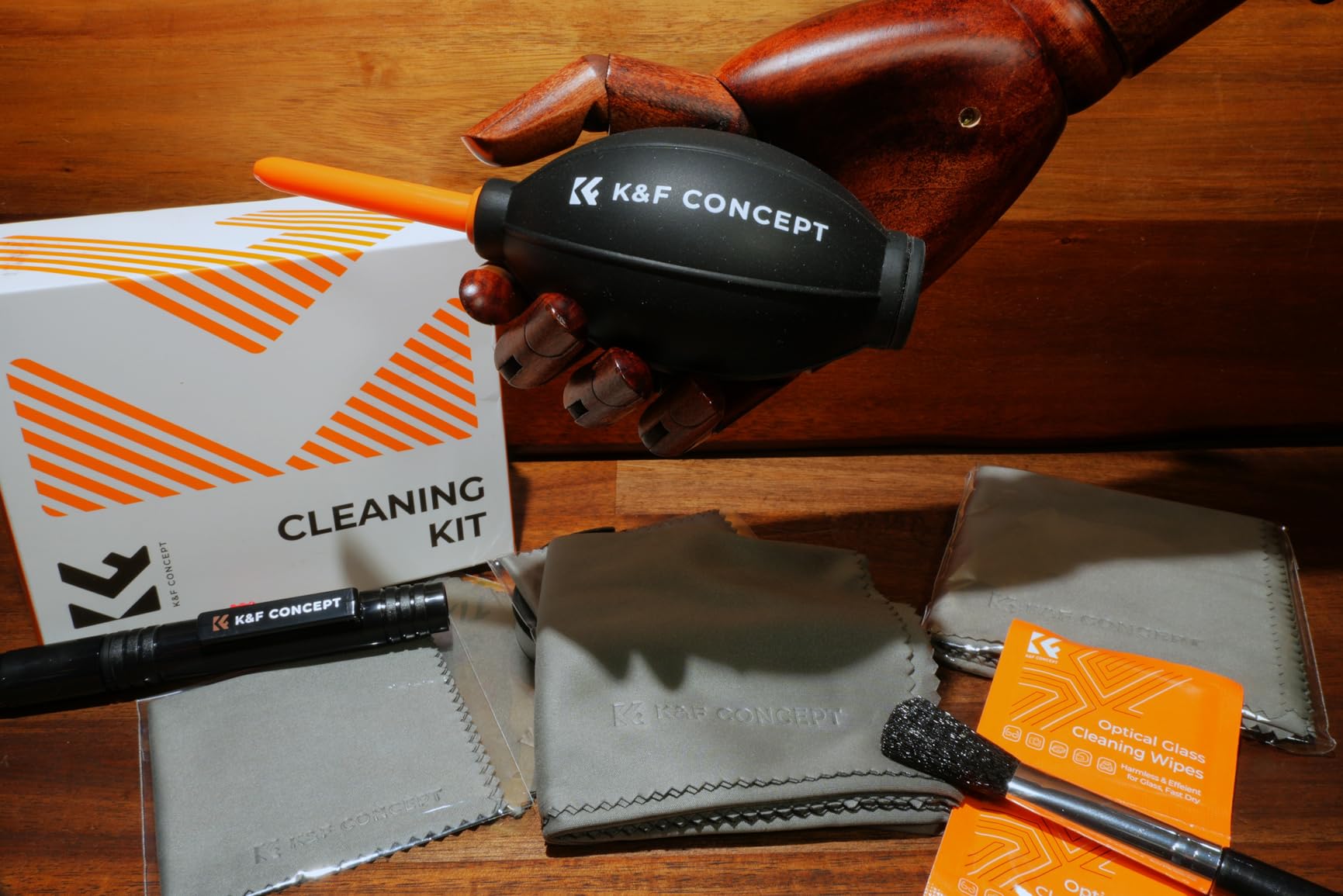
The 60 ml of purified water is the other element, and it is worth understanding what it is. It is ammonia-free, toxic-free and low VOC, and it is sold as safe for screen coatings, which is why this kit doubles as a cleaner for TVs, GPS units, laptops, tablets, jewellery and glasses. The blower is soft silicone with a one-way intake, and the pen again combines a lint-free brush with a circular carbon head.
The six individually packed lens wipes are the portable part, and for a traveller they are the most useful thing in the box. Two-year warranty coverage is also better than most kits here offer. What is missing is the sensor angle entirely, and the purified water is a general surface cleaner rather than something to put on a heavily soiled sensor.
Who it suits best
Studio and home-based photographers who clean a lot of surfaces beyond lenses, and anyone who shoots video and is constantly wiping screens and bodies. The oversize cloths and the water are built for that volume of work.
It is also a good single kit for a household that shares cleaning supplies between a camera, a laptop and a pair of glasses, since it is listed as suitable for all of them.
Who should buy something else
Minimal packers. Two 40 by 40 cm cloths do not fold down small, and this is the bulkiest textile option in the group. The CamKix pouch kit is the opposite problem, and it fits in a jacket pocket.
Anyone doing sensor work should skip it, since there are no swabs and the fluid is not intended for that job.
10. Aispour 10-in-1 Kit – Retractable Wool Brush and a Wide Consumable Range
Aispour Camera Lens Cleaning Kit, 10-in-1 Camera Cleaning Kit
50 ml cleaner
Retractable wool brush
5 sensor swabs
25 tissues and 8 wipes
Pros
- Retractable wool brush is unique in this group
- Widest consumable range per kit
- Static-free formula
- Storage box included
Cons
- Spray can leave a slight glare on glass
- Standard and Enhanced variants can be confusing
The Aispour kit stands out for one tool nobody else here includes: a retractable, super-soft wool brush designed to be anti-drop. It retracts into its own body, so the bushy head is protected inside the handle rather than exposed in your bag, which is exactly how a brush should be stored if you care about not transferring dust between surfaces.
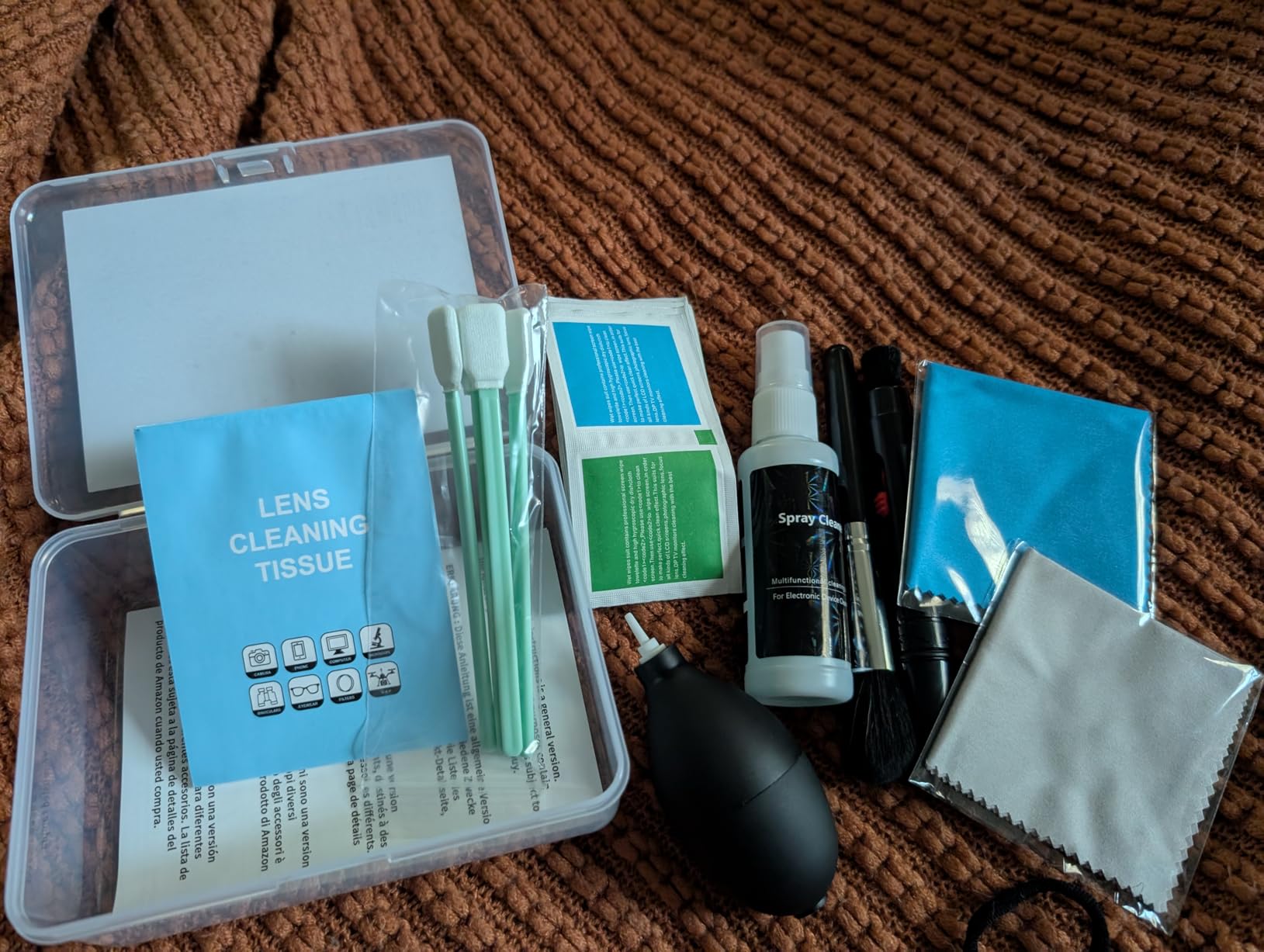
The rest of the box is generous. Contents are 50 ml of lens cleaner, an air blower, a 2-in-1 lens pen, the retractable wool brush, five sensor swabs, 25 lens tissues, two microfiber cloths, eight cleaner wipes and a storage box. Eight hundred and sixty-four owners rate it 4.7 with a number 8 best-seller rank, and several report it compares well against more established brands at the same tier.
What the reviewers single out is the consumable range. Five sensor swabs, 25 tissues and eight cleaner wipes gives you the most replacement material per kit in this group, and consumables are what actually run out. If you dislike the idea of reordering small parts, this box stretches further than any other here.
The one consistent quality note is that the spray can leave a slight glare on glass. In our angled-light checks, a buff with the microfiber cloth cleared it, so treat the spray as the first pass and the cloth as the finish. Owners also report the standard and enhanced version variants are easy to confuse, so check the component list before ordering.
Who it suits best
Travelers who clean on location and want a working kit without restocking. The retractable brush, the tissues and the wipes mean you can do a full clean in a car park or a hotel room, and the storage box protects the set in transit.
It is listed as compatible with Canon, Sony, Nikon, Pentax and drone gear, which makes it a good shared kit for people who fly cameras as well as carry them.
Who should buy something else
Anyone who wants maximum polish per drop of fluid. The 50 ml bottle is generous, but the cloth in the box is the final word on streaks, and a dedicated washable cloth like the one in the ZEISS set gives a cleaner finish over time.
Full-frame sensor work still needs correctly sized swabs, which this kit does not specify, so treat its swabs as a limited extra rather than a service.
What Is a Camera Cleaning Kit?
A camera cleaning kit is a small set of purpose-made tools for removing dust, smudges and fingerprints from camera lenses and optics without scratching the coatings. Typically that means a hand air blower, a soft lens brush, a lint-free microfiber cloth, and an alcohol-free lens cleaning fluid or pre-moistened wipes, with swabs and a pen added for more thorough work.
How to Choose a Camera Cleaning Kit
Every kit on this list is a variation on the same four moves, so the useful question is not which brand is best but which four tools match the way you actually shoot. Someone shooting weddings in a dusty field and someone cleaning a filter at a desk need different boxes, and paying for swabs you will never use is the most common way people overpay for kit.
Start with the environment, not the brand. If your gear lives in a dry cabinet and your only problem is fingerprints, fluid and cloth are the whole job. If it sees beaches, deserts, construction dust or a car boot, the blower is not optional and grit removal is the priority. If you change lenses outdoors, swabs start to matter. Once you have answered that, the rest of the kit is nearly decided.
It is also worth asking what kind of surfaces you clean. Our [solar panel cleaning kit guide](https://marchforsciencesv.com/best-solar-panel-cleaning-kits/) runs the same logic on a much larger glass surface, and the shared lesson is that fluid without dust control makes things worse, not better. Large flat surfaces reward oversized cloths; small precision surfaces reward brushes and rods.
The Four Tools in Every Good Kit, Explained
The blower is the first tool and the most skipped one. A hand-operated air blower with a one-way intake moves loose dust off a coating without touching it. Canned compressed air is the wrong tool here because the propellant and the liquid it leaves behind can deposit residue on a filter or a sensor, which is why none of these kits include a can.
The brush handles what the blower does not lift, particularly dust sitting on barrel walls and around filter threads. The cloth is the tool that actually removes the film, and it only works with fluid. The pen combines a small brush and a carbon or non-drying element, and the thing photographers most often praise about it is that it still works when the bottle is empty.
Why Coatings Attract Dust and What Anti-Static Means
A lens element is not smooth. Multi-coated glass carries a very thin, very even layer of chemical coating, and that layer holds a static charge. The pixls.us photography thread makes this point better than any buying guide: cheap spectacle and eyeglass cleaning fluids leave surfaces terribly static, and a static surface pulls the next particle of dust out of the air with more force than gravity would.
That is why we treated anti-static claims as a real differentiator. A formula described as static-free, like the Aispour approach, is a better long-term choice than one that is simply labelled lens cleaner, because it reduces the rate at which your clean lens re-contaminates. The same thread suggests steam from purified or de-ionised water as a gentler chemical-free option, which is close to the approach the K&F CONCEPT 15-in-1 takes with its purified water.
What Not to Put on Your Lens
Seventy percent isopropyl alcohol is the most common mistake, and it is easy to understand why: it is cheap, it evaporates fast and it cuts grease. It also strips or degrades anti-reflective coatings and can craze the plastic cement between elements, and the effect is permanent. The ZEISS and Altura Photo formulas are ammonia-free and alcohol-free for exactly this reason, and the same goes for household glass cleaner, which contains ammonia in most formulations.
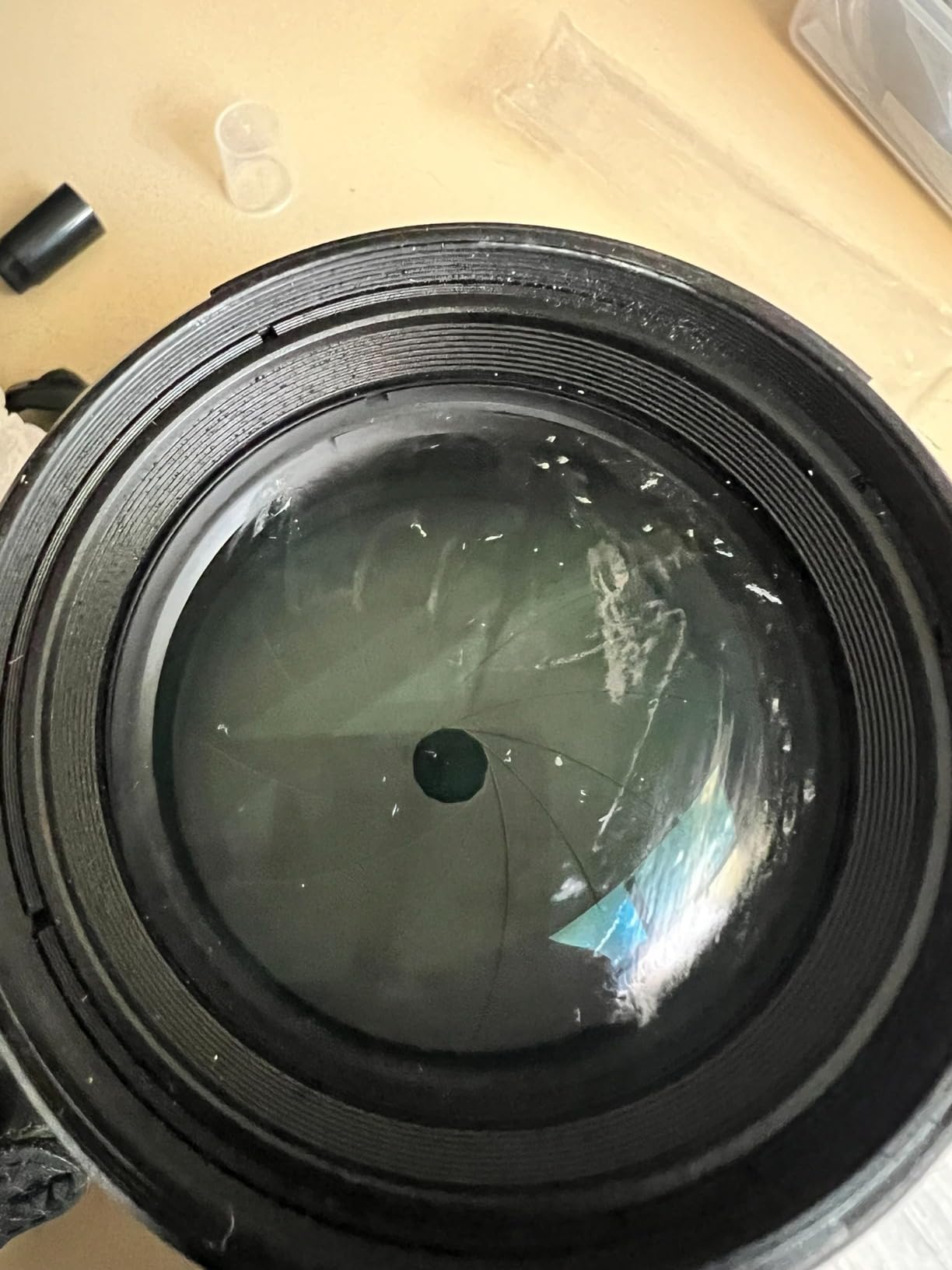
The second thing to avoid is dry-wiping. A cloth that looks clean can hold a particle rough enough to scratch a coating, and that is the failure the forums describe over and over. The third is touching the front element with fingers, because the salt in skin oil holds dust and causes the smudges you are trying to remove. The fourth is a wet swab on a sensor without the right fluid, which is how sensors get damaged.
Kit Against Single Tools: What Refilling Really Costs
A single large cloth plus a bottle of fluid is usually the cheapest way to keep lenses clean, and the ZEISS kit is essentially that idea, built as a matched pair so the fluid and the cloth are known to work together. It also lasts longest, because a washable cloth and a refillable bottle have no per-use consumable cost at all.
Single-use wipes and tissues sit in between, and their appeal is convenience rather than value. They are the reason the Aispour kit earns its consumable-heavy contents, and the reason photographers defend buying them in quantity. What a kit does not fix is the running cost of the fluid bottle, so check the volume in the specification before choosing: 10 ml, 15 ml, 20 ml, 30 ml, 50 ml, 60 ml and 100 ml are all on this list, and they behave very differently over a year.
Matching a Kit to Your Gear
Mirrorless owners with a compact body should prioritise a blower with a narrow nozzle, because sensor wells and battery compartments are where dust hides. Full-frame and DSLR shooters who maintain their own sensors need correctly sized swabs and a proper sensor fluid, and they should not improvise with lens swabs.
Travel shooters want a pouch, not a box, and they want wipes they can use one-handed in the wind. Studio and home shooters can ignore packability and buy the larger cloth and the larger bottle. Cleaners of other instruments follow the same rules we used when comparing [microscope cleaning and maintenance kits](https://marchforsciencesv.com/best-microscope-cleaning-and-maintenance-kits/): dust first, then fluid, then a clean cloth, every time.
How to Clean a Camera Lens Without Scratching It
Order is everything here. Each step below assumes the one before it has happened, which is why skipping to step four is what causes most lens damage.
Blow first. Use a hand air blower with a one-way intake to remove loose dust and sand from the front element and the barrel. Repeat from several angles before anything touches the glass.
Brush what the blower left. Use a retractable soft brush, a cleaning rod with a cloth spiral, or the brush end of a lens pen to lift dust from barrel walls, filter threads and the area around the mount.
Check under angled light. Look across the element with a light source at an angle. Remaining specks show up clearly at this point, and it is much cheaper to deal with them before you wet a cloth.
Fluid on the cloth, never on the lens. Put a small amount of alcohol-free lens cleaning fluid on the microfiber cloth. Spraying the element leaves too much liquid, which can run under the barrel and leaves streaks.
Wipe gently in a spiral or from the centre out. Use light pressure and a new section of the cloth for each pass. Follow with a dry buff using the clean side, and store the lens with the front cap on.
Two details that matter more than they look. Never use the same section of cloth twice on the element, because that is how you return removed grit to the coating. And re-cap the lens, which is the most effective cleaning step of all and the one most often skipped.
How We Tested and Picked These Kits
We ran all ten kits through an identical sequence over several weeks: blow, brush, fluid on cloth, wipe, then inspect the element under an angled light for streaks, haze and residual grit. We paid particular attention to the finish after a single cloth pass, because that is where differences between an ammonia-free formula and a cheap one show up.
Beyond the glass, we scored each kit on what actually decides long-term satisfaction. Does the blower hold a steady stream without sucking dust back in? Does the pen still work when the bottle is empty? Are the cloths vacuum-packed or loose in a bag? Does the kit have a case, and is the case sealed? And for the sensor kits, are the swabs individually sealed and correctly sized for the sensor they claim to serve?
Ratings and review counts come from the product listings, and we used them as a stability signal rather than as a ranking in itself. A 4.7 from a few hundred owners tells you less than a 4.6 from twelve thousand, which is why the ZEISS kit leads on accumulated evidence while the Altura Photo kit leads on rating.
One thing we deliberately did not do is rank on kit size. Reviewers are right to be suspicious of very large bundles, and if a 14-in-1 listing includes pieces you will never touch, that is a small loss. We weighted the tools that changed the outcome: airflow, coating-safe fluid, cloth quality and storage.
Frequently Asked Questions
What is the best thing to clean camera lenses with?
A soft lint-free microfiber cloth with a small amount of alcohol-free lens cleaning fluid, used after a hand air blower has removed loose dust. The blower is not optional, because wiping grit across a coating is what causes permanent damage. Clean the cloth’s edges before touching glass and use a fresh section for each pass.
What is a good camera and lens cleaning kit?
A good kit contains four things: a hand air blower with a one-way intake, a soft lens brush or cleaning pen, a washable microfiber cloth, and an alcohol-free, ammonia-free cleaning fluid. Swabs, rods and a storage case are useful additions if you shoot outdoors, clean your own sensor or work with filters.
Can I use 70% alcohol to clean a camera lens?
No. Isopropyl alcohol can degrade or strip anti-reflective coatings and may craze the cement between lens elements, and the damage is permanent. Household glass cleaner is worse, because most formulations contain ammonia. Use a coating-safe fluid that lists itself as alcohol-free and ammonia-free, and apply it to the cloth rather than to the element.
Is it okay to clean camera lenses with a microfiber cloth?
Yes, a microfiber cloth is the right final step, provided it is clean and you use it correctly. Apply fluid to the cloth rather than the lens, wipe in a spiral or from the centre outward using light pressure, and never reuse the same section. A cloth that has been dropped or washed with fabric softener is no longer safe for coatings.
What can ruin a camera lens?
The most common causes are dry-wiping dust and grit across the coating, applying isopropyl alcohol or ammonia-based glass cleaner, using compressed air that deposits residue, touching the element with fingers, and over-cleaning so often that fibres wear the coating. Using a blower before every wipe prevents the majority of lens damage.
Our Verdict on the Best Camera Cleaning Kits for Lenses in 2026
After working through all ten, the ZEISS kit is the one we would own first. It has the largest body of owner evidence in the group, a coating-safe formula that photographs well against fear of damage, and a washable cloth that removes the per-use cost almost entirely. It is simply the best camera cleaning kit for lenses when smudges are the problem and durability is the priority.
For a single complete box, the Altura Photo kit is the most complete and the highest rated, and the CamKix kit is the strongest all-rounder if you want tissues and a pouch as well. The K&F CONCEPT 4-in-1 is the best small kit, and for anyone doing their own sensor maintenance, the KuuZuse APS-C set or the Movo package are the two that carry correctly sized swabs.
Whichever you pick, the kit is the easy part. Blow before you wipe, keep fluid off the glass, use a clean section of cloth every time, and re-cap the lens when you are done. Those four habits will protect a coating longer than any bottle on this list.