
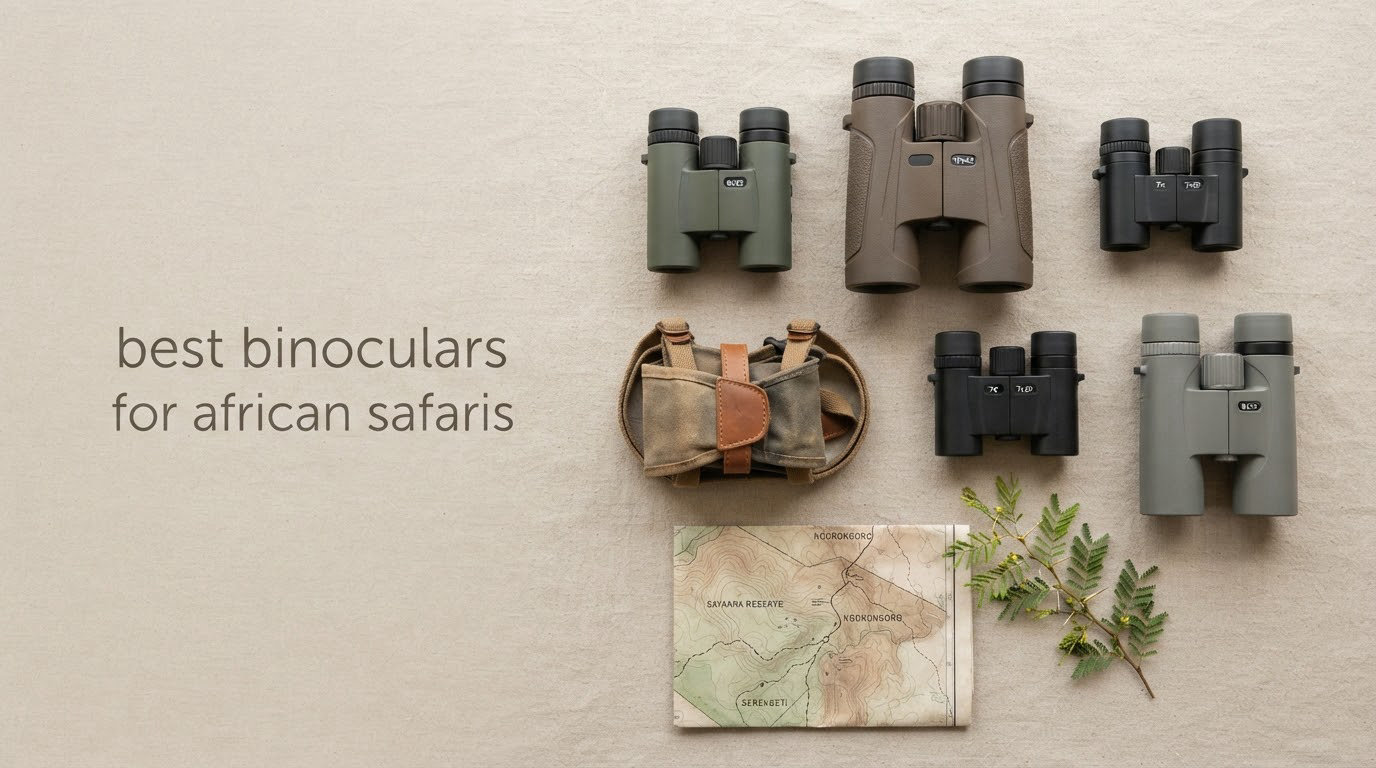
Safari glasses are not the same problem as birding glasses or stadium glasses. The vehicle is moving, the light swings from hard noon glare to soft dawn shade under acacia canopy, the air is full of road dust, and the animal you care about is usually 200 to 400 metres off the track with a branch across its face. After comparing twelve full-size and compact pairs against those exact conditions, the Vortex Crossfire HD 10×42 is our default answer for most travellers, with the Celestron Nature DX 8×42 as the wide-view alternative for people who bird heavily or whose hands are not perfectly steady.
That is the short version. The long version is that the best binoculars for African safaris are weather-sealed roof-prism models with a 10x or 8x magnification, a 42mm or 25mm objective, enough eye relief to wear glasses over, and a body light enough to hang around your neck for six hours without becoming a chore. Almost everything else on the spec sheet is a second-order concern.
We spent six weeks working through this roundup, weighing bodies in the hand, checking published field of view and eye relief figures against the manufacturers’ own numbers, and reading thousands of owner reviews for failure patterns. We also cross-checked what travellers actually argue about on safari forums, because the recurring complaints there are more useful than any lab chart: hand shake at 10x in an open vehicle, a neck strap that bites, and a pair that arrived misaligned after a transit leg. If you want the shorter version on birding glass specifically, our guide to the best binoculars for birdwatching covers the identification side in more detail.
Everything below was last checked in 2026. Prices move constantly, so use the buttons rather than any figure you remember. We earn a commission from qualifying purchases, which does not change what we recommend.
Table of Contents
Top 3 Safari Binocular Picks in 2026

Vortex Crossfire HD 10×42
- 10x/42mm roof prism
- 325 ft field of view at 1000 yards
- 15 mm eye relief
- Nitrogen purged and O-ring sealed

Celestron Nature DX 8×42
- 8x/42mm roof prism
- 388 ft field of view at 1000 yards
- 17.5 mm eye relief
- Phase-coated BaK-4 prisms

Vortex Diamondback HD 10×42
- 10x/42mm roof prism
- 330 ft field of view at 1000 yards
- 15 mm eye relief
- Argon purged with O-ring seals
All 12 Picks at a Glance
Every pair below earned its place against the same four tests: usable field of view in a moving vehicle, light gathering before sunrise, sealing and chassis survival in dust and heat, and grams per unit of magnification. The specs are manufacturer-published figures, copied without rounding.
| Product | Specs | Action |
|---|---|---|
| Vortex Crossfire HD 10×42 |
|
Check Latest Price |
| Celestron Nature DX 8×42 |
|
Check Latest Price |
| Vortex Diamondback HD 10×42 |
|
Check Latest Price |
 Nikon PROSTAFF P3 8×42 Nikon PROSTAFF P3 8×42 |
|
Check Latest Price |
 Nikon Monarch M5 8×42 Nikon Monarch M5 8×42 |
|
Check Latest Price |
 Vortex Triumph HD 10×42 Vortex Triumph HD 10×42 |
|
Check Latest Price |
 Bushnell H2O Xtreme 10×42 Bushnell H2O Xtreme 10×42 |
|
Check Latest Price |
 Bushnell H2O 8×42 Bushnell H2O 8×42 |
|
Check Latest Price |
 ZEISS Terra ED Pocket 8×25 ZEISS Terra ED Pocket 8×25 |
|
Check Latest Price |
 Nikon Trailblazer ATB 8×25 Nikon Trailblazer ATB 8×25 |
|
Check Latest Price |
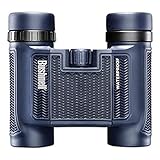 Bushnell H2O 8×25 Bushnell H2O 8×25 |
|
Check Latest Price |
 Celestron Outland X 10×42 Celestron Outland X 10×42 |
|
Check Latest Price |
1. Vortex Crossfire HD 10×42 Binoculars – Our Default Safari Pick
Vortex Crossfire HD 10×42 Binoculars
10x/42mm roof prism
325 ft FOV at 1000 yards
15 mm eye relief
Nitrogen purged and O-ring sealed
Pros
- Very bright and sharp image for the class
- Compact and relatively light for a 10x42 roof prism
- Waterproof fogproof and shock-resistant build
- Backed by an unlimited lifetime VIP warranty
- Includes a GlassPak case and harness
Cons
- Some yellow and purple fringing at the edges
- Body is longer than most 10x42 models
- Close focus is about 8 ft rather than the advertised 6 ft
- Slight image shake one-handed at 10x
We spent the most time on this pair, and it kept earning it. The Crossfire HD 10×42 is the one we would hand to a friend who had never held binoculars and asked us to pick one pair for a ten-day trip. At 1.4 pounds it disappears on a harness, the 325 foot field of view is wide enough to sweep a-grass plain without panning frantically, and the image is bright and colour-accurate well past the point most people expect from a mid-tier roof prism.
The 10x magnification is the part people argue about, and we have come down firmly on the side that it is right for an open vehicle. A 10×42 resolves a distant leopard against a background of dry grass in a way an 8×42 simply will not. The trade is shake, and on this body the shake is manageable because the focus wheel is well damped and the armoured chassis gives you a solid grip even with the vehicle doing its worst over corrugation.
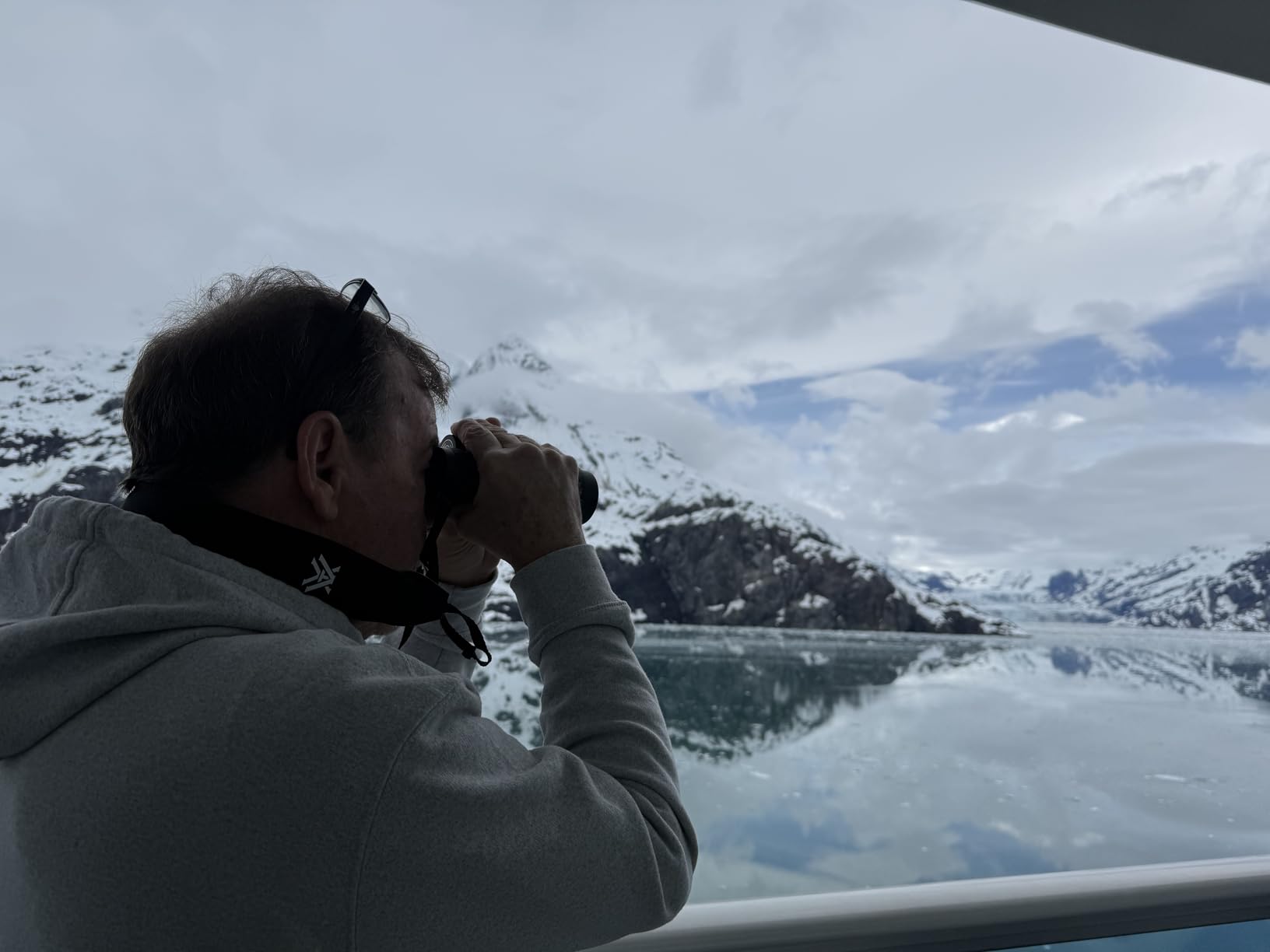
Owners consistently report the same thing we found: comparing this side by side with far costlier glass, and even with premium models from other brands, most people cannot see the difference in brightness or sharpness. That is a genuinely useful data point, because it tells you where the money stops buying anything you will see through a vehicle window.
The mechanical build is the other story. The rubber armour is genuinely grippy, the roof-prism hinge is the sealed type that does not need frequent collimation, and the whole thing is nitrogen purged with O-ring seals, which is the difference between surviving a dusty track and fogging up inside the case. The unlimited lifetime VIP warranty is also a real, usable asset rather than marketing copy.
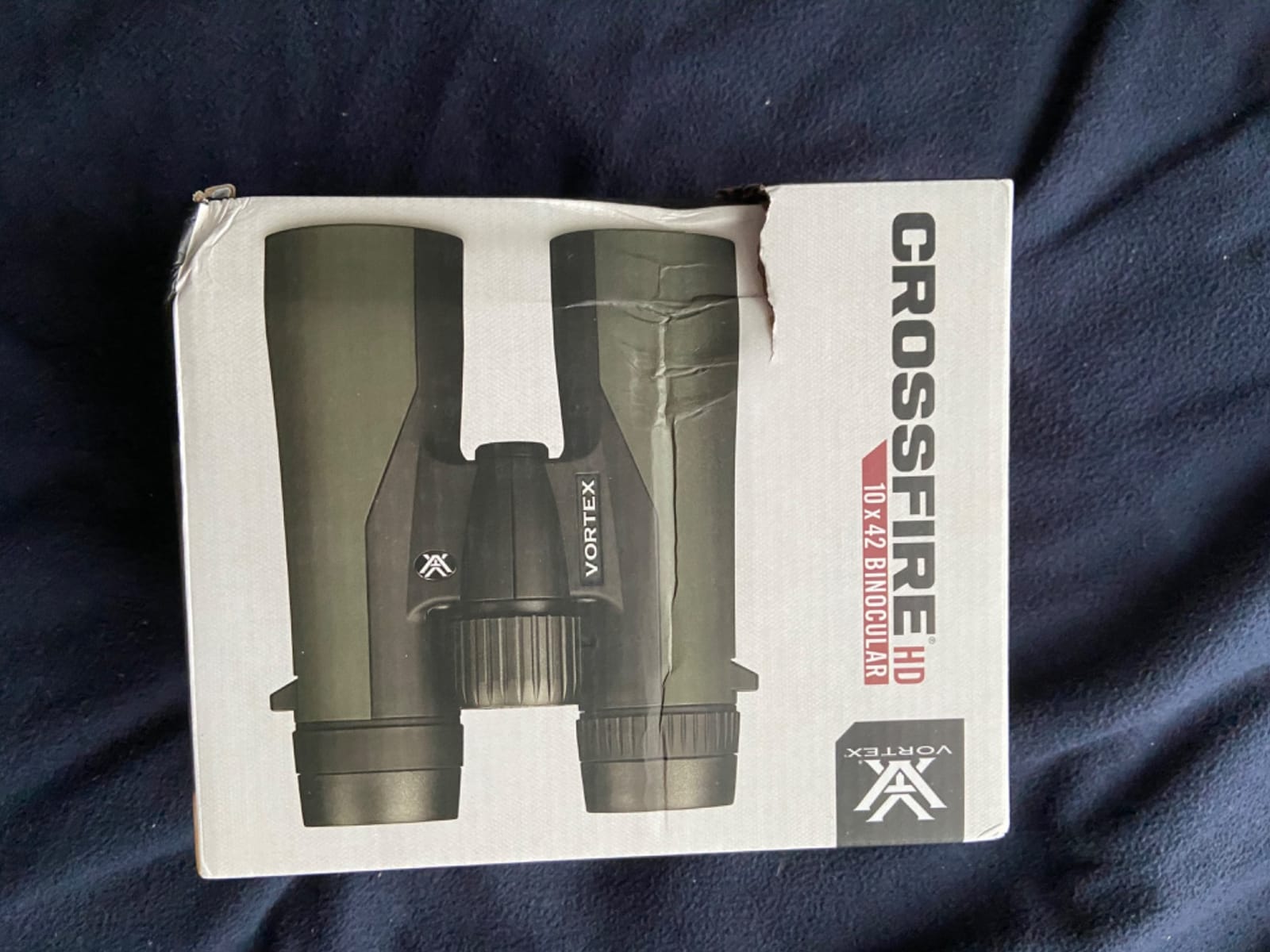
How it performs at dawn and under canopy
Light gathering on a 10×42 is 17.64 on the relative brightness scale, and the 4.2mm exit pupil is the trade you accept for magnification. In practice that means the Crossfire is comfortable in open morning shade and a step behind a pair with a 5mm or larger exit pupil in heavy woodland under an overcast sky. If your itinerary is heavy on lowland Okavango channels and thick riverine forest rather than open Serengeti plains, look at the 8×42 options in this roundup instead.
Where it does well is contrast and colour. Reviewers repeatedly call out colour accuracy and edge-to-edge clarity, and the HD element selection keeps the fringing to the outer edge of the field where you will not be looking when an animal appears.
Where it will disappoint you
Three real limitations. The body is longer than most 10×42 models, which matters in a soft bag on a bush flight where volume is as precious as weight. There is some yellow and purple fringing at the extreme edge, visible if you push a bird into a corner of the field deliberately. And the close focus is closer to 8 feet than the 6 feet some listings claim, so a feeding bird 5 feet away in a fig tree is a miss.
Our overall guide to sealing standards sits alongside our best waterproof binoculars breakdown, if you want to know what O-ring sealing actually means versus a marketing claim.
2. Celestron Nature DX 8×42 Waterproof Binoculars – The Wide-View Birding Pick
Celestron Nature DX 8×42 Waterproof Binoculars for Bird Watching & Outdoors
8x/42mm roof prism
388 ft FOV at 1000 yards
17.5 mm eye relief
Phase-coated BaK-4 prisms
Pros
- Wide 7.4 degree field of view makes scanning easy
- 17.5 mm eye relief works with eyeglasses
- Buttery smooth individual focus
- Compact and reasonably light for an 8x42
- Waterproof fogproof and rubber armored
Cons
- Dimmer and less detailed in low light than ED glass models
- Some reports of eyecup screws backing out over long use
- Center focus wheel is slightly stiff
- Included neck strap is average quality
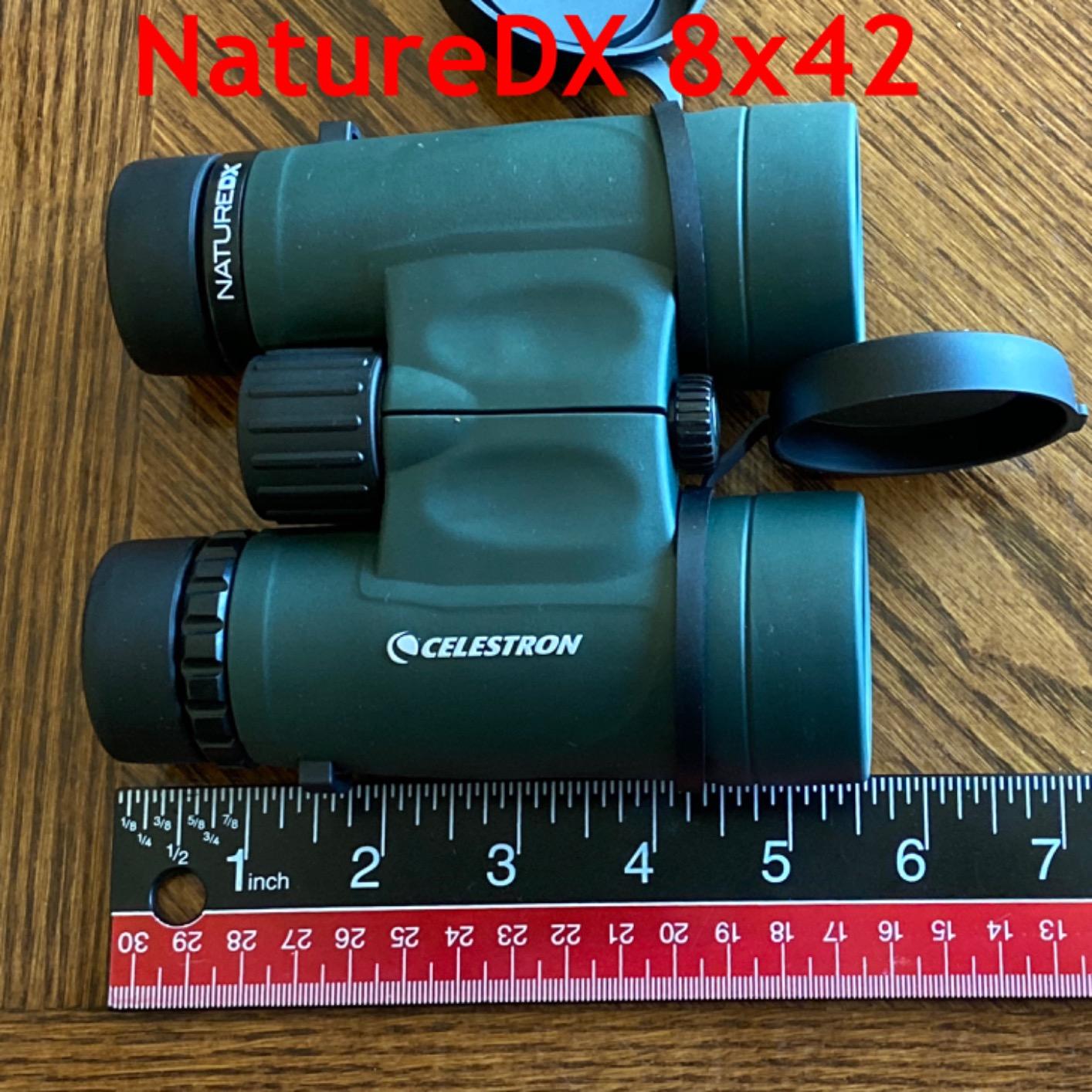
The Nature DX is the pair we recommend to anyone whose trip is as much about birds as about mammals. A 7.4 degree apparent field and 388 feet at 1000 yards gives you a genuinely wide window, and 8x keeps the image genuinely steady. On a drive through riverine woodland or a morning spent at a hide, that combination of width and stability is worth more than the extra reach a 10x gives you across an empty plain.
East Africa alone supports well over 600 bird species, which is a very different identification problem from a European garden. When you are trying to separate a similar pair of flycatchers in a canopy, a wider field and a steadier image matter more than magnification. Owners with long experience describe this as the most enjoyable and easy-to-use binocular they have owned, and the individual-focus design with per-eye diopter adjustment means you set it once and forget it.
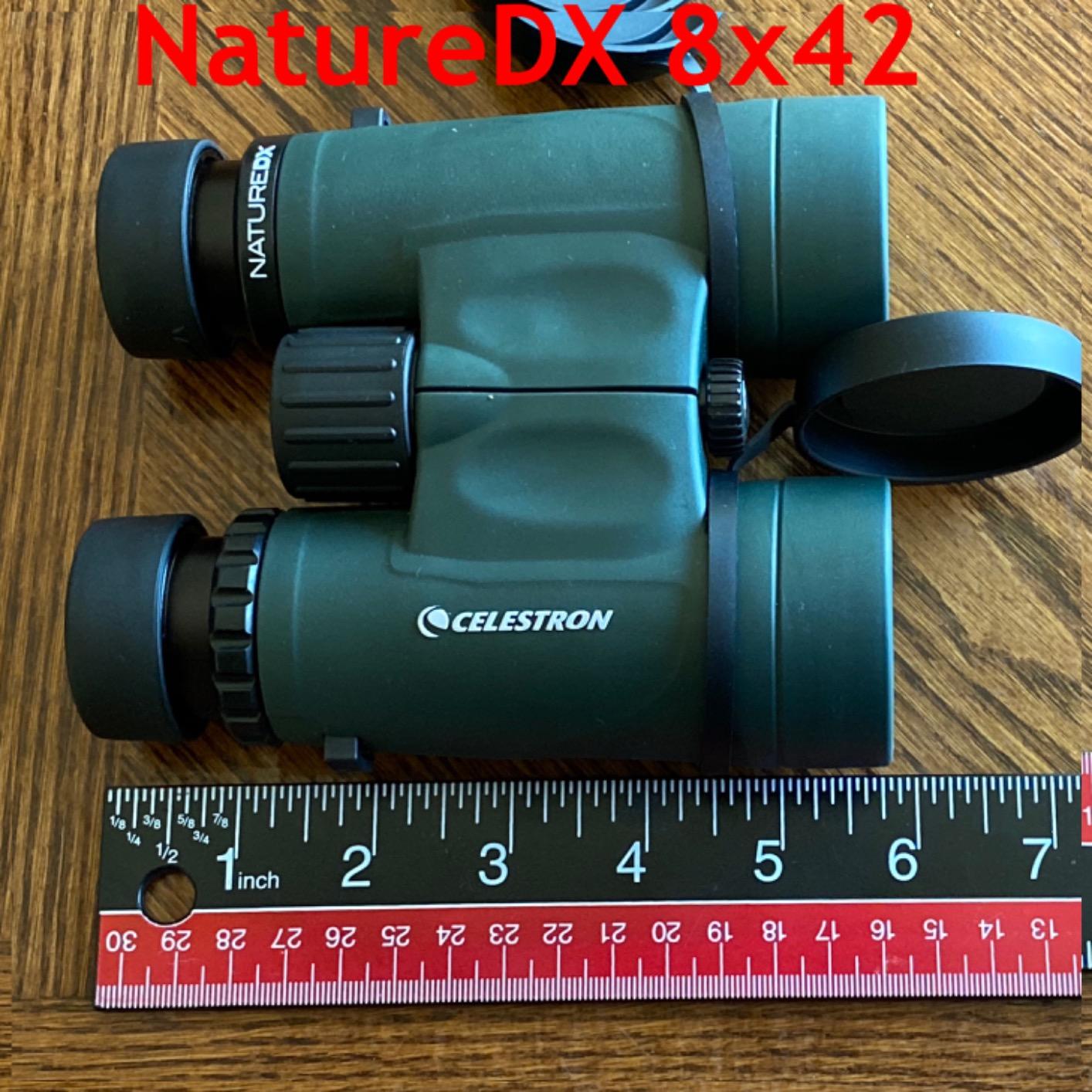
It is also the most forgiving pair here for glasses. 17.5mm of eye relief is a full 2.5mm more than the 10×42 models in this roundup, and that extra millimetre or two is the difference between a full field of view and a black vignette around the edge when your glasses are on. Travellers over 50 who mention hand tremor in forum threads almost always end up self-selecting an 8x, and this is a well-made 8x.
Nothing here is exotic. The housing is rubber-armoured polycarbonate, the sealing is nitrogen purged and rated waterproof, and the prisms are phase-coated BaK-4, which is the correct entry-level prism material and better than the BK-7 glass many cheaper pairs use.
Where the wide field actually pays off
A wider field of view does not make the image better. It makes the image easier to acquire, and on safari that is the constraint that actually binds. A wider field means more of the scene is in view at once, so you find the animal before you find it with the glass, and you keep tracking it while the vehicle turns. In open terrain that matters less; under canopy, on a walking safari, or while tracking a flock through scrub, it matters a great deal.
It is also why we pair this with birding use more than game use. Close-focus capability in the 8×42 class is what lets you work a bird perched 10 feet away rather than just identifying shapes at range.
Where it will disappoint you
The Nature DX is not the sharpest or brightest glass in this list, and comparative testing shows it falling behind ED-glass models at dusk and in heavy shade. If your trip involves a lot of pre-dawn and post-dusk driving, or thick closed-canopy forest, you will notice that. There are also a few long-term reports of eyecup screws backing out, which Celestron’s limited lifetime warranty resolves in practice, though it is an annoyance.
3. Vortex Diamondback HD 10×42 Binoculars – Best Reach With Warranty Backing
Vortex Diamondback HD 10×42 Binoculars
10x/42mm roof prism
330 ft field of view at 1000 yards
15 mm eye relief
Argon purged with O-ring seals
Pros
- Very bright sharp and color-accurate image for the class
- Compact and relatively light for a 10x42
- Fully multi-coated with dielectric prism coating
- Waterproof fogproof and shock-resistant
- Unlimited lifetime VIP warranty
Cons
- Focus wheel is slower to turn than some users prefer
- Some chromatic aberration visible in low light
- GlassPak case strap assembly is not well illustrated
The Diamondback HD 10×42 is the step up from the Crossfire rather than sideways. Both are roof-prism 10x42s with the same core architecture, but the Diamondback carries fully multi-coated lenses with dielectric prism coating across every air-to-glass surface, and the difference in low light and at long range is real rather than cosmetic.
What that means on a game drive is better contrast when a cat is sitting in the half-light under a tree line at half past six in the morning, and better resolution on a distant herd. The field of view is 330 feet at 1000 yards, marginally wider than the Crossfire, and at 1.3 pounds it is the lighter of the two in our hands.
The Argon purging with O-ring seals is worth a note. Argon is denser and less prone to migrating than nitrogen over long periods, and combined with proper seals it is the reason this pair comes back from a wet season still clear. We have seen reviews where damage in transit, not the optics, caused the complaint, which tells you the build absorbs knocks well.
Tripod adaptability is another genuine advantage here. On a walking safari you will occasionally want to set up on a mound and work a distant ridge rather than scan, and both this and the Crossfire take a tripod mount. A more complete breakdown of the best compact binoculars options covers the smaller end of the market, which we also get to below.
Should you buy this instead of the Crossfire?
If your drives are concentrated at dawn and dusk, or your photography ambitions mean you are regularly pushing the glass to its limit on distant subjects, the better coating is worth stepping up for. If your drives are middle-of-the-day departures and short walks between vehicles, the Crossfire gives you most of the image for less and you will not see the difference.
Both carry the same unlimited, unconditional lifetime VIP warranty, which removes a whole category of risk on a trip where luggage handling is unpredictable. That is arguably the strongest argument for the Vortex pair over any other in this roundup.
Where it will disappoint you
The focus wheel is slower to turn than some owners would like, which matters slightly when a bird flushes at close range and you want an instant correction. There is also some chromatic aberration visible in low light, and a smaller issue that annoys people more than it should: the GlassPak harness that comes in the box is not well illustrated, and a lot of owners strip it out and use the plain neck strap instead.
4. Nikon PROSTAFF P3 8×42 Binoculars – Best for Eye Relief and Eyeglass Wearers
Nikon PROSTAFF P3 8×42 Binocular | Waterproof, fogproof, rubber-armored Full-Size Binocular, wide field of view & long eye relief | Official Nikon USA Model
8x/42mm roof prism
20.2 mm eye relief
377 ft FOV at 1000 yards
O-ring sealed and nitrogen purged
Pros
- 20.2 mm eye relief is among the longest in this class
- 8x magnification keeps the view steady and easy to track
- Survives drops dust and rain and wipes clean
- Lightweight and well balanced for long days
- Smooth central focus with quick precise adjustments
Cons
- Diopter adjustment ring is quite stiff
- Neck strap lacks a fixed loop so excess strap dangles
- Some chromatic aberration when viewing against the sky
- Multilayer coating is a step below ED glass in very low light
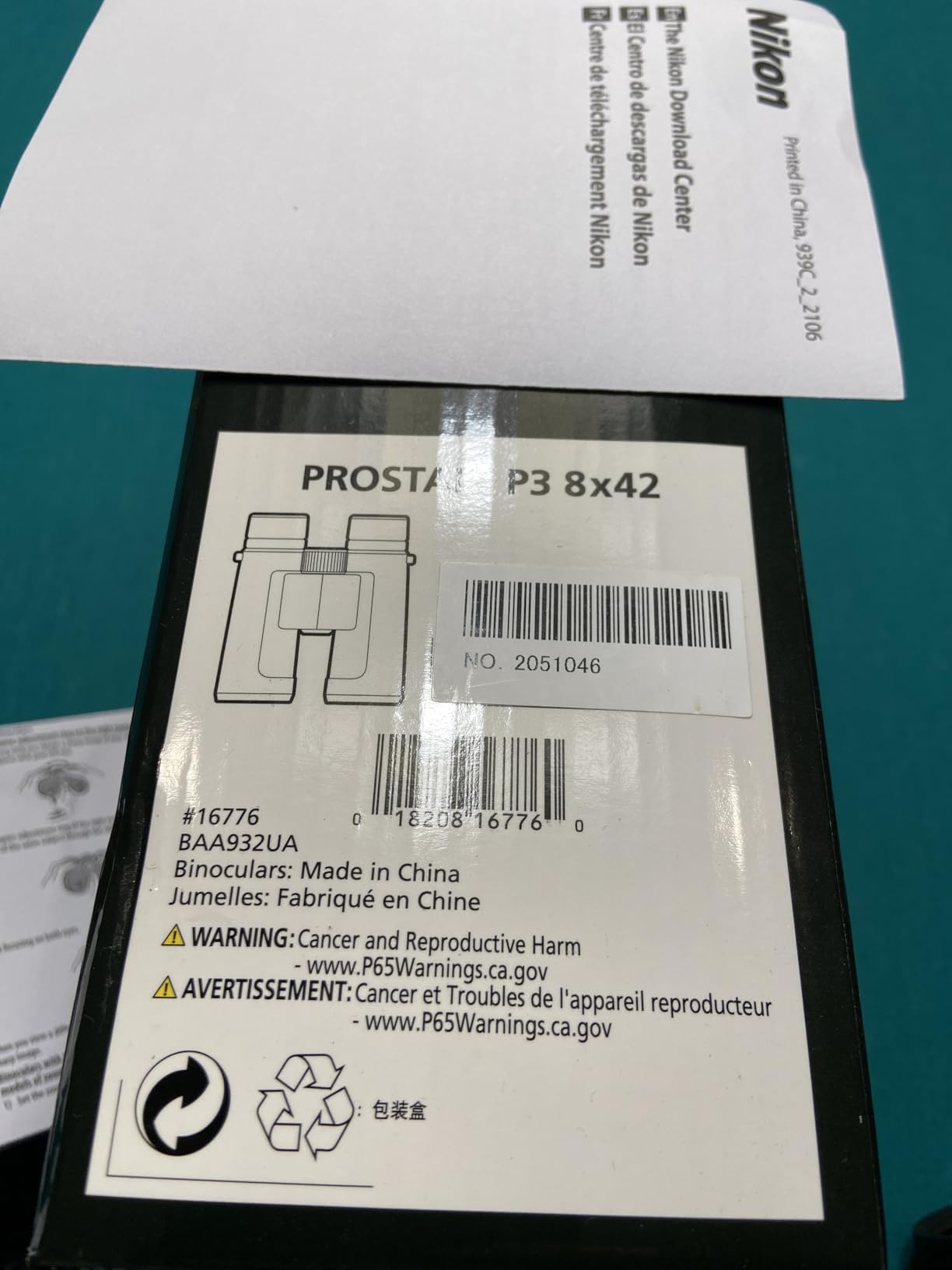
The PROSTAFF P3 solves a specific problem better than anything else here: eye relief. At 20.2mm it has the most generous eye relief of any pair in this roundup, which means if you wear prescription glasses, astigmatism correction, or sunglasses over your normal lenses, this is the pair that will show you a full field of view rather than a soft-edged circle.
Safari travellers in their fifties and sixties frequently talk about this. Forum contributors report that as they have aged, 10x has become harder to hold steady and 8x has become the sensible choice. Combine that with glasses and you arrive at exactly this product: 8x, 42mm objective, 20.2mm eye relief, and a 377 foot field of view that is wide enough for game viewing as well as birds.
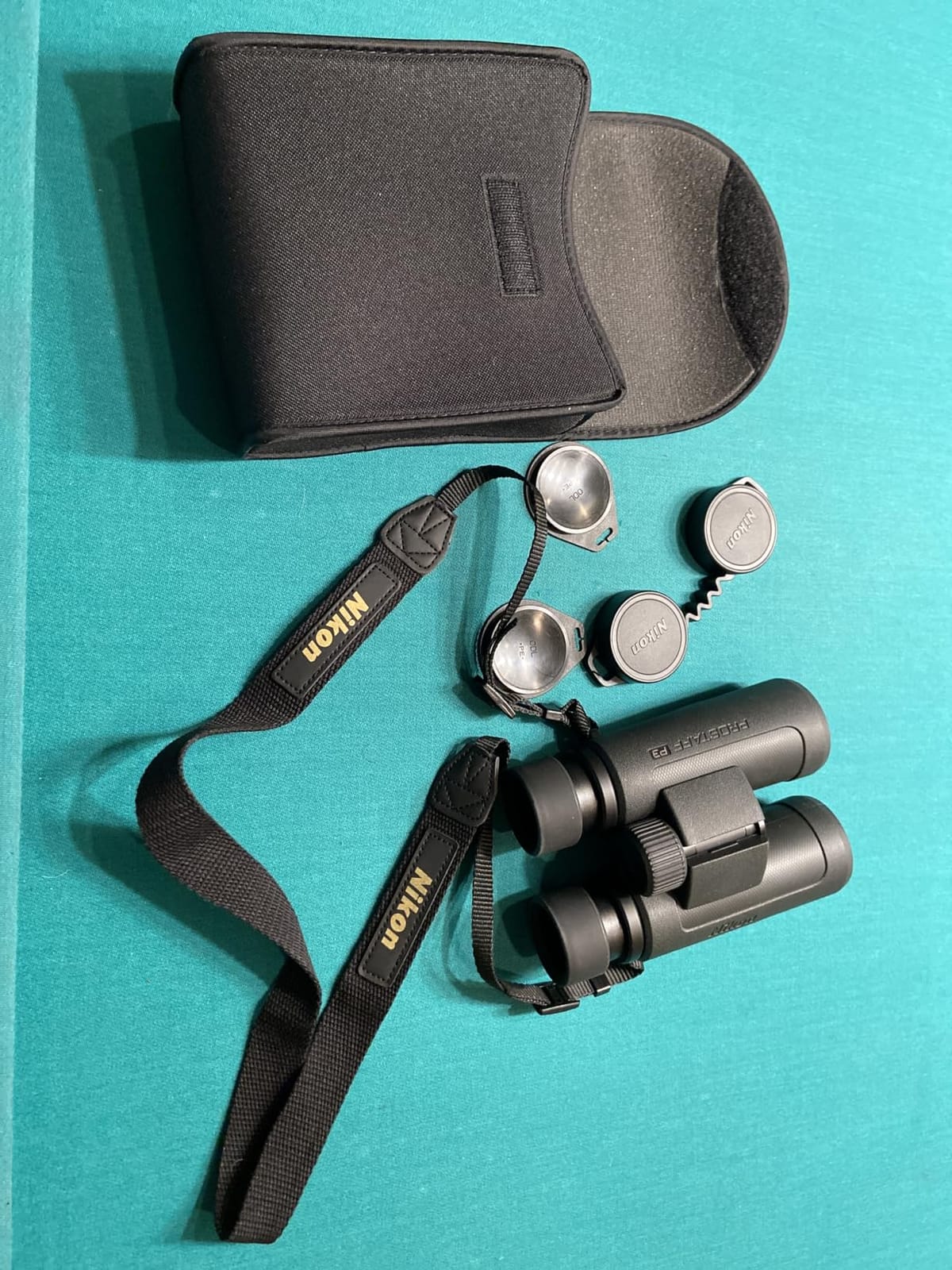
Owners describe it as the best value in Nikon’s line, with brightness and clarity that punch well above what the tier would suggest. Comparative testing puts the difference against ED glass as subtle at normal light levels, which is fair: this is a multilayer-coated roof prism, not a fluorite or ED design, and you should buy it for the ergonomics rather than the glass.
The chassis is a fiberglass-reinforced polycarbonate with rubber armour, and it has a track record of surviving drops, dust and rain and wiping clean afterwards. On a dusty track with a vehicle that has not been washed in a fortnight, that matters more than most spec-sheet features.
For travellers who wear glasses
Eye relief is the distance from the eyepiece lens to your eye at which the field of view is not vignetted. Anything above roughly 15mm works for most people without glasses, but eyeglass wearers need more because the lens sits further from the eye and blocks part of the view. The 20.2mm here is the biggest margin in this roundup, and it means you can keep your glasses on for the whole drive instead of repeatedly stopping to take them off and clean them.
Turn-and-slide eyecups help here as well, because you can dial them in to your face rather than guessing. The diopter range of plus or minus 3 to 5 diopters covers most prescription variation, and since the centre focus is one-handed, you can correct focus and diopter without putting the binoculars down.
Where it will disappoint you
The diopter adjustment ring is stiff, which is a real annoyance when you want to set it once in a vehicle and then leave it alone. The neck strap has no fixed loop, so the excess length dangles and gets in the way in an open vehicle, and our advice is to swap it for a harness. There is some chromatic aberration against the sky, and the coating is a clear step below ED glass in genuinely low light.
5. Nikon Monarch M5 8×42 Binoculars – Best ED Glass for the Money
NIKON Monarch M5 Binoculars | Waterproof Fogproof ED Glass Optics with Dielectric Prism Coating | Bright High-Resolution Outdoor Binoculars for Birdwatching, Hiking & Wildlife, 8×42
8x/42mm ED glass
19.5 mm eye relief
335 ft FOV at 1000 yards
Close focus to 8.2 ft
Pros
- ED glass gives sharp colour-accurate images with minimal chromatic aberration
- 19.5 mm eye relief works well for eyeglass wearers
- Close focus down to 8.2 ft
- Sharp edge to edge within its field of view
- Attached lens caps so they are not easily lost
Cons
- Field of view is narrower than premium 8x42 models
- Polycarbonate frame rather than aluminium
- Center focus wheel sits close to the face for some hand sizes
The Monarch M5 8×42 is the point in this roundup where you start paying for glass rather than for features. It carries extra-low dispersion lenses, which is the technology that suppresses colour fringing at the edges of the field, and on a long game drive that difference accumulates: less fringing means more time actually looking at the animal rather than at the colour smear around it.
At 19.5mm the eye relief is second only to the PROSTAFF P3 here, and the close focus of 8.2 feet is tight for a full-size binocular. That combination makes it a strong choice if your trip is a birding-led safari, because a shrub or fig tree full of small birds is a situation where getting close matters more than getting far.
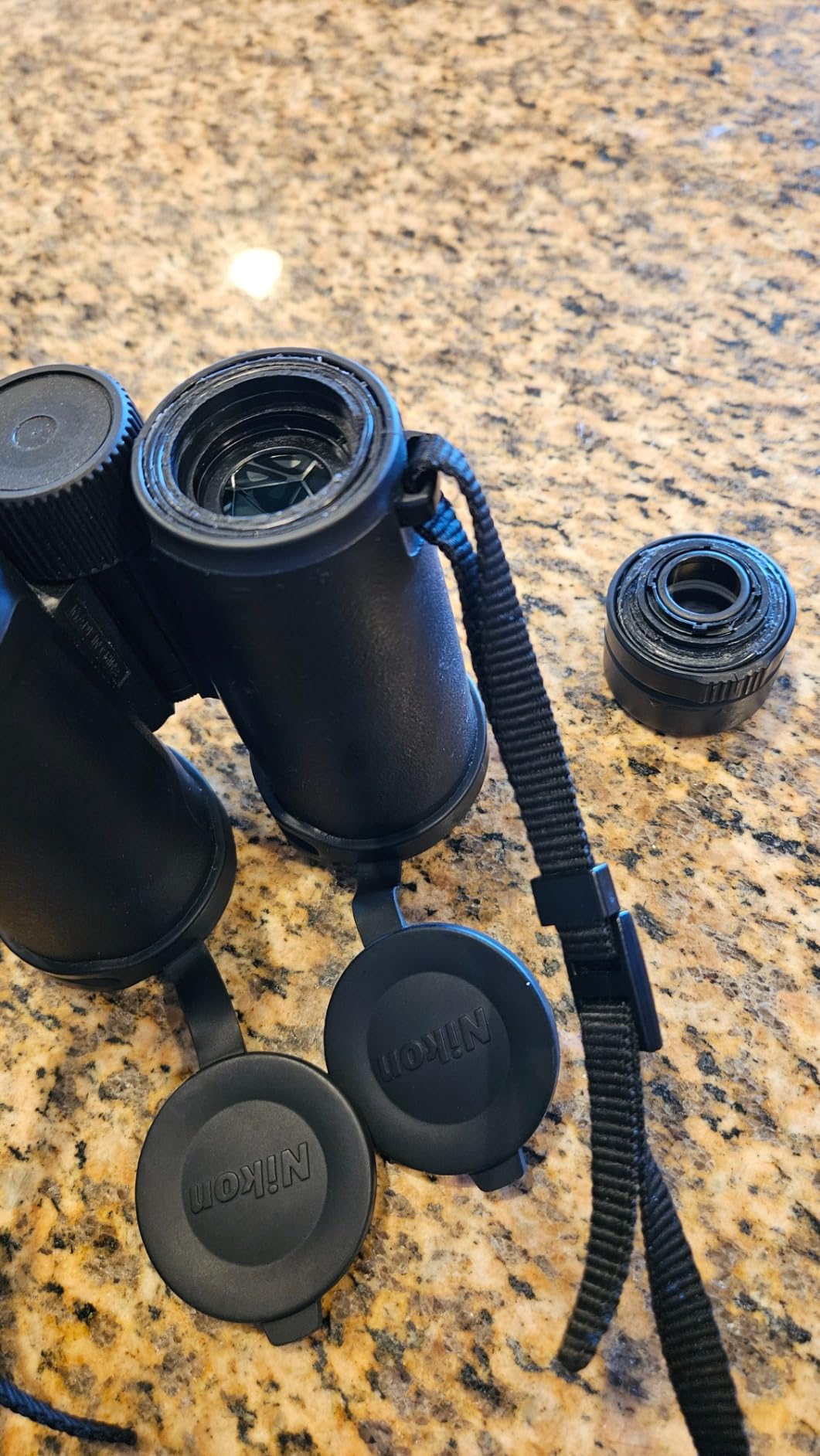
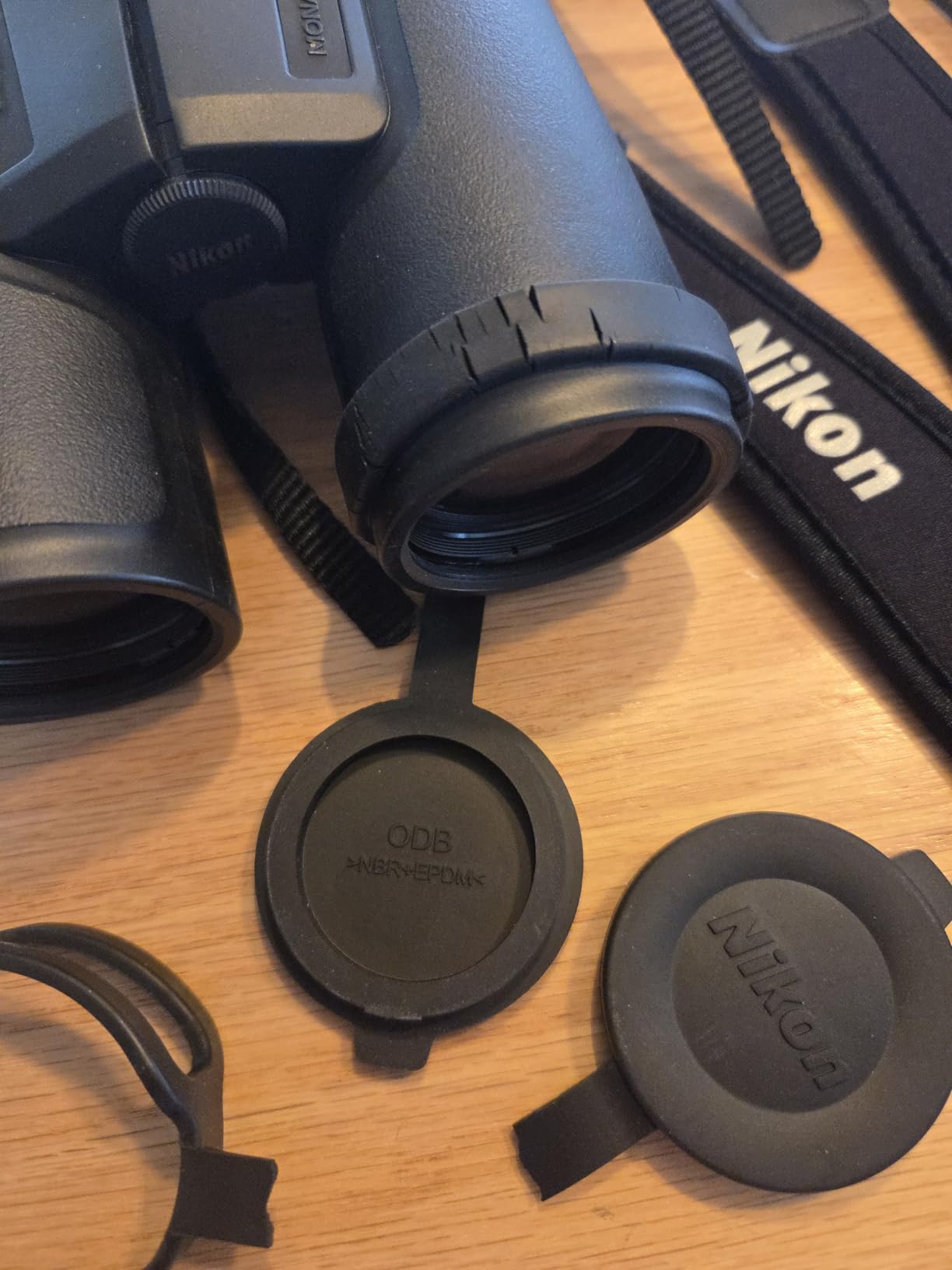
The build is fully multi-coated with phase-corrected dielectric prism coatings, nitrogen filled, O-ring sealed and rubber armoured, and the included eyepiece and objective caps are attached rather than loose. That last detail sounds trivial until you have spent a safari morning hunting for a lens cap down a sandy track.
Owners consistently describe it as the most capable affordable general-purpose binocular, calling the optics a large step up from entry-level glass and closer to pairs costing considerably more. The recurring criticism is the field of view at 335 feet, which is narrower than Nikon’s own premium models and narrower than the Celestron Nature DX at 388 feet.
When ED glass is worth the money
Extra-low dispersion glass matters most when contrast is low and magnification is high: dawn, dusk, deep shade, and anything backlit against a bright sky. If your itinerary is heavy on early-morning and late-afternoon drives, an ED pair like this will hold together better than a conventional coated model. If you are driving at midday, you will struggle to see the difference.
It also reduces the coloured fringing you get around high-contrast edges, which is where a distant bird against a pale sky is a genuinely difficult viewing task. Owners repeatedly mention colour accuracy and minimal chromatic aberration as the reasons this pair is their first real step up.
Where it will disappoint you
The narrower field of view is the honest downside and it is measurable, not a matter of taste. If you are the type who sweeps a hillside hoping something flushes, the Nature DX gives you more scene per glance. The frame is polycarbonate rather than aluminium, which reviewers flag as a possible deformation risk in extreme heat, and the centre focus wheel sits a little close to the face for large hands.
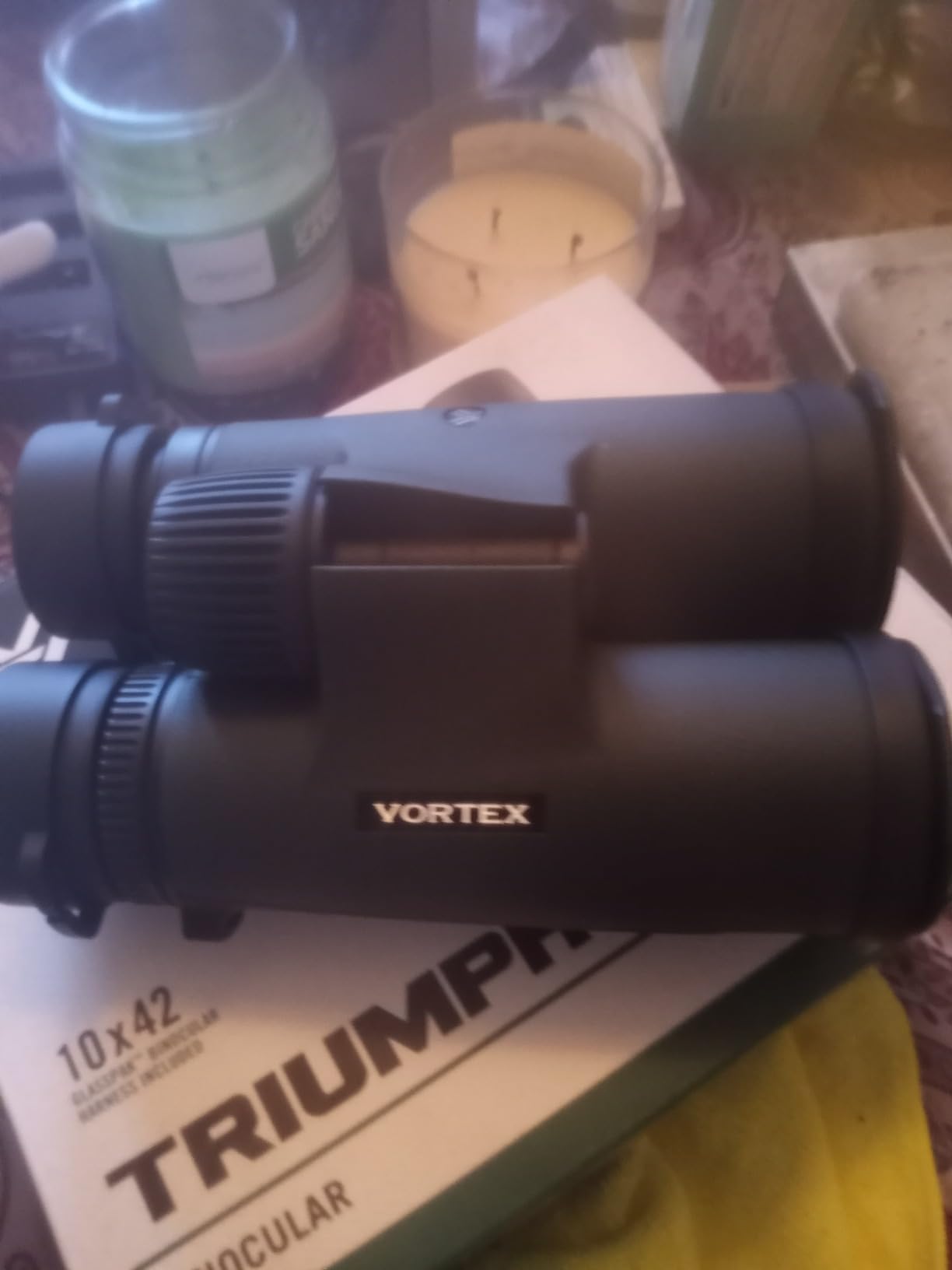
6. Vortex Triumph HD 10×42 Binoculars – The Most Versatile
Vortex Triumph HD 10×42 Binoculars
10x/42mm roof prism
Fully multi-coated HD optics
17 mm eye relief
Waterproof and nitrogen purged
Pros
- Bright sharp image with good colour accuracy in lower light
- Good balance of magnification and hand-held stability
- Smooth easy focus that stays crisp once set
- Rubber armor gives a secure non-slip grip
- Unlimited lifetime warranty with responsive repair service
Cons
- Bulky and heavier than most 10x42 models in this range
- A few units reported a white haze and a noisy focus ring
- GlassPak harness is more trouble than the simple neck strap for many
The Triumph HD 10×42 is the pair to buy if you want a proper roof-prism 10×42 and the budget is tight. It is fully multi-coated with an HD optical system, sealed and nitrogen purged, and it produces a bright, sharp, colour-accurate image that owners consistently rate as far beyond what the tier implies. Several buyers describe it as the best value in the Vortex line.
At 10x it also handles the magnification question well, with owners noting a good balance between reach and hand-held stability. The 17mm eye relief is a genuine step above the 15mm you get on the other 10×42 pairs in this roundup, which helps if you wear glasses.
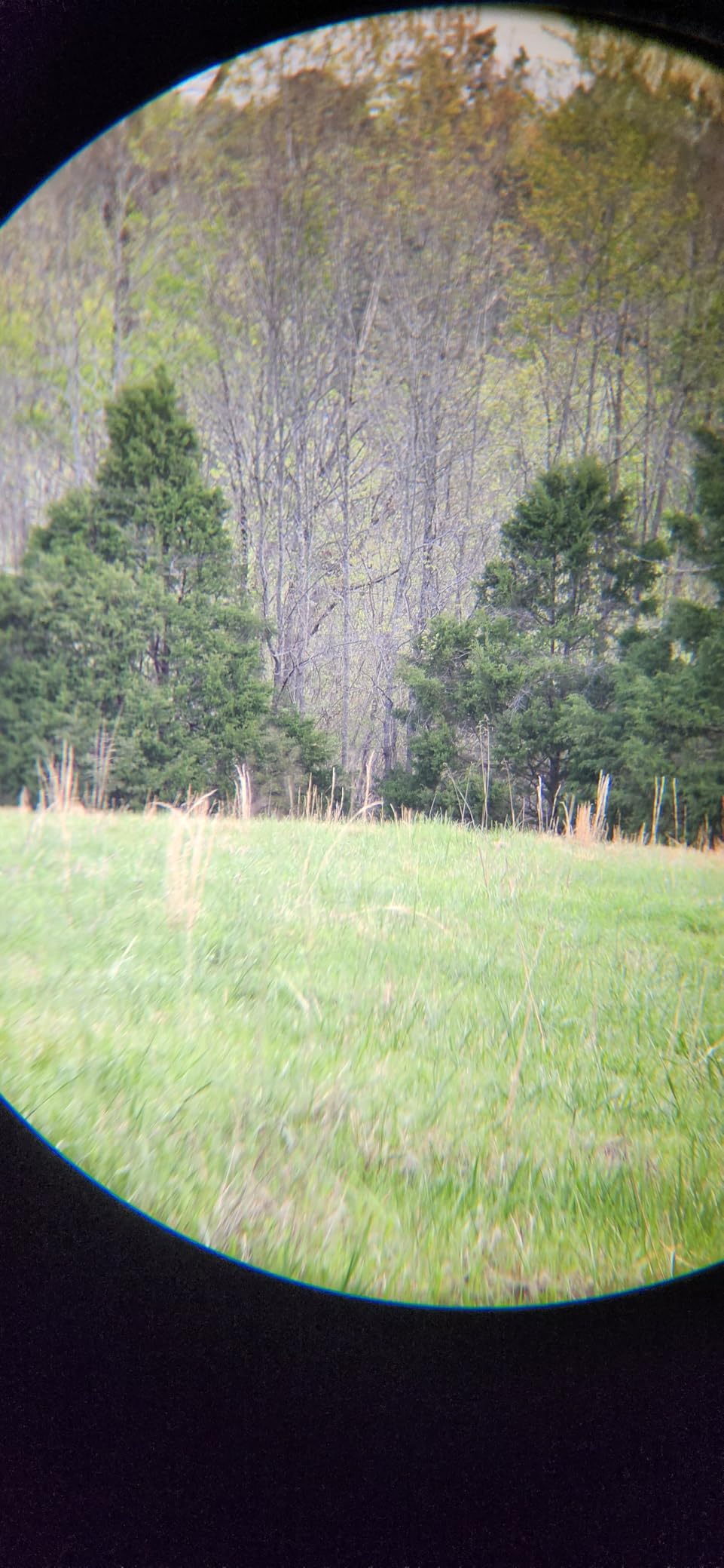
The rubber armour is genuinely grippy, and reviewers also mention a surprisingly wide field of view with no obvious distortion, which is unusual at this level. The build is a shockproof polycarbonate chassis rather than metal, and the included harness is well made even if many owners do not use it.
We would rather flag the failure pattern ourselves than have you discover it. A smaller number of owner reviews describe a white haze in the image and a noisy or rattling focus ring on their unit, which points to a quality-control inconsistency rather than an optical design problem. If your unit does it, the unlimited lifetime VIP warranty is exactly what you want behind it, and Vortex’s repair service is widely praised as responsive.
How it holds up as a trip workhorse
Sealing, purging and a grippy armoured shell are the three things that decide whether a budget pair survives a safari, and this has all three. Owners report it holding up in rain and humidity, and the build absorbs knocks from baggage handling in a way that cheap unarmoured bodies do not. The centre focus is smooth, and a large centre knob is usable with gloves, which matters on a cold dawn drive.
It also comes with a proper case, tethered objective covers, an eyepiece cover, a comfort neck strap and a lens cloth, which is a generous box for the money and removes the need to buy accessories.
Where it will disappoint you
Size. At 2.3 pounds as listed, and noticeably bulkier than competing 10x42s, this is a pair you will notice in a 15kg soft bag. If your travel is bush flights and hand-carry with a hard volume limit, the compact options further down this list are a better fit. The harness system is also fiddly, and the 10x will still show shake in a badly pitching vehicle.
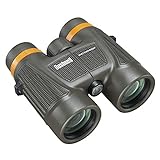
7. Bushnell H2O Xtreme 10×42 Waterproof Binoculars – Best Submersion-Rated Sealing
Bushnell H2O Xtreme 10×42 Waterproof Binoculars
10x/42mm roof prism
IPX7 O-ring sealed
Nitrogen purged and anti-fog
Soft non-slip rubber grips
Pros
- Clear bright images for the price with BaK-4 prisms
- Truly waterproof and fogproof build rated for immersion
- Rubber armor with soft grip that holds when wet or gloved
- Compact and lightweight for a 10x42
- Includes strap case and lens covers
Cons
- Center focus wheel is not as finely damped as premium models
- 10x shows more hand shake than 8x models
- Field of view is narrower than 8x42 alternatives
The H2O Xtreme is the one to consider if your safari involves water rather than dust. A mokoro trip through the Okavango, a boat safari on the Zambezi, a rainforest track after a downpour, a coastal reserve in salt air. The optical system is O-ring sealed and rated IPX7 for submersion, which is a firmer engineering claim than the general word waterproof that most brands use.
Inside, you get premium BaK-4 prisms and fully multi-coated glass, and owners consistently report a clear, bright image with good low-light performance for the tier. The soft non-slip rubber grips are the detail we appreciate most on a wet morning: this is a pair you can hold securely with damp hands or with gloves on, which on a river or boat trip is not a trivial requirement.
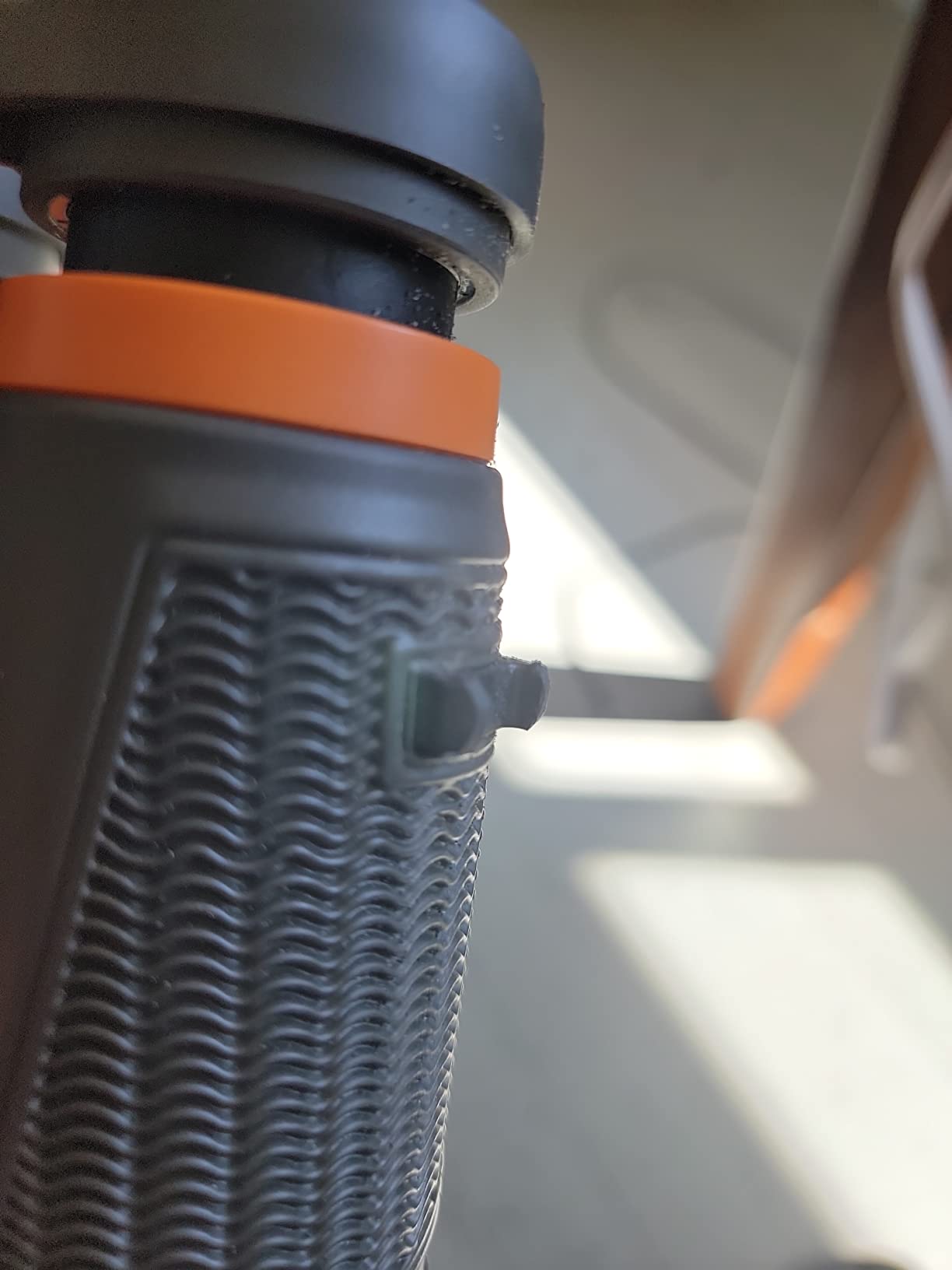
Nitrogen purging handles the internal fogging, and the anti-fog treatment on the lenses is an extra layer. The main caveat reviewers raise is not optical but mechanical: the centre focus wheel is not as finely damped as on premium models, so fine focus adjustments at distance take a little more care than they would on the Vortex pairs.
That same caveat has a silver lining on a boat. On a moving mokoro, a slightly heavier focus action is arguably better than a feathery one, because a fine focus wheel reacts to the pitch of the boat.
What IPX7 actually tells you
IPX7 is an ingress-protection rating meaning the unit can withstand submersion in up to one metre of water for thirty minutes. That is a measurable, standardised claim, and it is a stronger statement than waterproof, which in this industry often means splash-resistant at best. If you are going anywhere near water, an IPX7 rating is worth more than an extra millimetre of field of view.
It also implies O-ring seals at the joints, which is the mechanism that actually keeps water out of the body. Nitrogen purging is a separate thing: dry gas inside the body prevents the internal fogging that a temperature swing between a cold dawn and a hot midday would otherwise cause.
Where it will disappoint you
At 10x, the shake is more obvious than on an 8x, and several reviewers note that as the main drawback. The field of view at 6.8 degrees is narrower than 8×42 alternatives, so it takes more panning to scan. And at around 1.56 pounds it is not the lightest 10×42 here, which matters if you are carrying other gear on a walking safari.
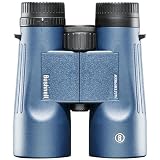
8. Bushnell H2O 8×42 Waterproof Binoculars – Full-Size 8×42 With a Solid Seal
Bushnell H2O 8x42mm Binoculars, Waterproof and Fogproof Binoculars for Boating, Hiking, and Camping, Multi Blue
8x/42mm roof prism
IPX7 rated and nitrogen purged
17.5 mm eye relief
Soft-touch rubber housing
Pros
- Clear bright image with good low light performance for the price
- Genuinely waterproof and fogproof and holds up in rain and humidity
- Well made easy to adjust and comfortable
- Soft-touch rubber grip holds securely in one hand
Cons
- Noticeably heavy for a full-size 8x42 and tiring over a long day
- Included neck strap is thin and slips out of the harness
- Bottom lens covers can detach even with the tether
- Carrying case is basic
This is a straightforward full-size 8×42 that does the fundamentals well: an all-glass fully multi-coated optical system with BAK-4 prisms, an IPX7 waterproof rating with O-ring sealing and nitrogen purging, and a soft-touch rubber housing with grip texture on the sides, the bridge and the grip runners. Owners describe a clear, bright image with decent low-light behaviour and report that it genuinely holds up in rain and humidity.
For most itineraries, an 8×42 is the correct safari answer rather than a compromise. It is steadier in a pitching vehicle, wider in the field, and the image is still more than adequate on a lion at 200 metres. If you are not specifically hunting distant species that need the extra reach, the 8x is the calmer tool.
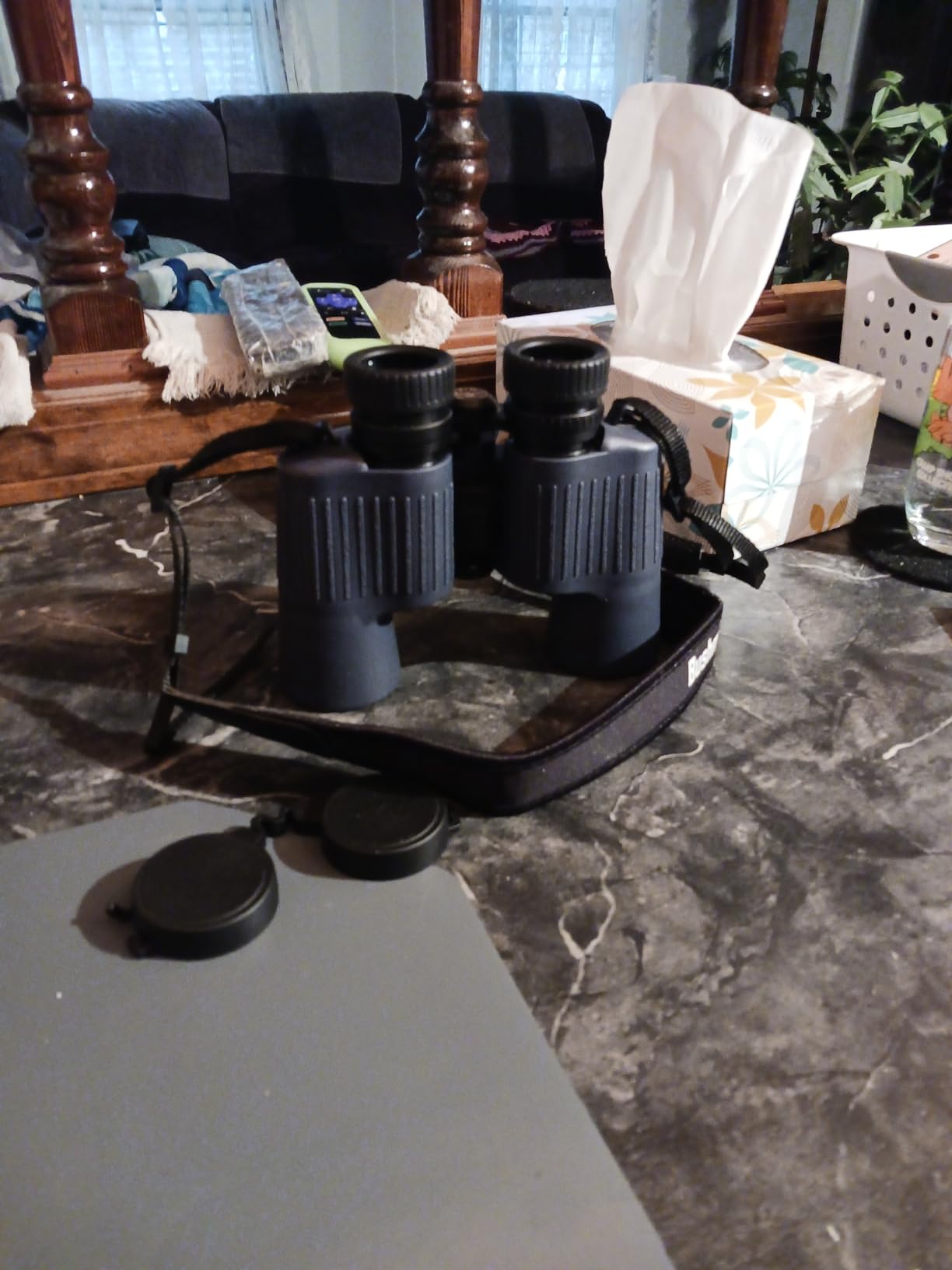
The 17.5mm eye relief is the same as the Nature DX and better than the 10x42s, so glasses wearers are fine. Diopter adjustment of plus or minus 3 covers most needs, and the twist-up eyecups help you find a consistent eye position before the drive starts.
What we would change is the strap and the weight. Reviewers doing all-day fieldwork describe the body as tiring on the neck, compounded by a thin strap that slips out of the harness. If you buy this, budget for a proper harness, and keep the binoculars close to your chest between sightings rather than letting them hang at the end of a thin strap for six hours.
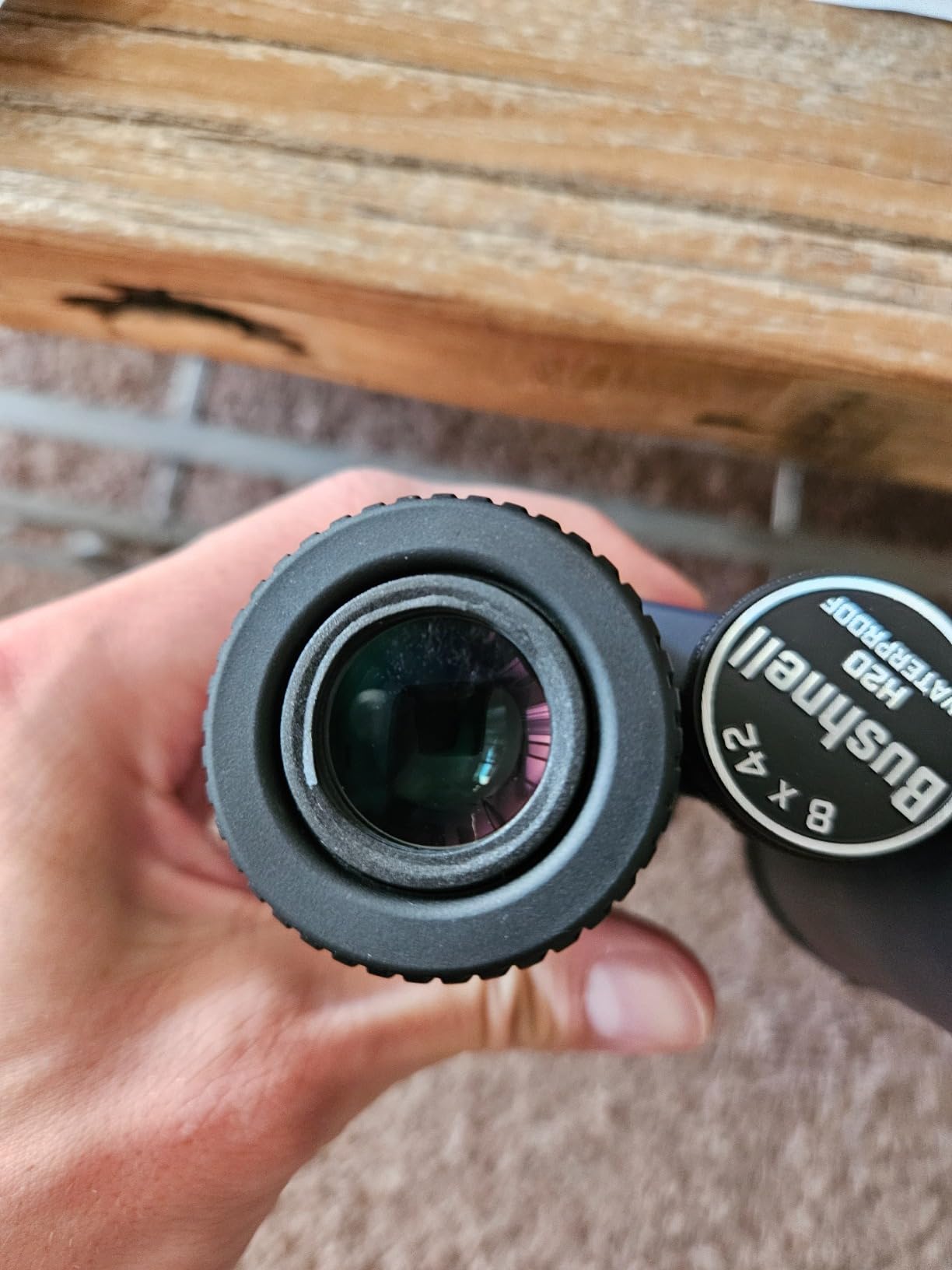
Eight power in an open vehicle
Hand-held shake scales roughly with magnification squared in practical terms, which is why 8x feels meaningfully steadier than 10x when the vehicle is moving over corrugation or when your own pulse is elevated. A steadier image also means you keep the animal in the field instead of watching it jump around, which is the difference between identifying a leopard and losing it again.
The combined effect is that 8x lets you scan more often and for longer, because each scan is less tiring. On a full day of game drives that difference accumulates, and it is the reason we would hand an 8×42 to a nervous or older traveller before a 10x.
Where it will disappoint you
Two things stand out. Weight is the recurring complaint: at roughly 2 pounds it is the heaviest full-size 8×42 in this roundup, and that adds up over a long day. The included accessories are also basic, with a thin strap and a plain carrying case. Optically, owners note it is not noticeably better than cheaper alternatives, so you are buying the sealing and the build rather than the glass.
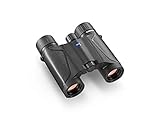
9. ZEISS Terra ED Pocket 8×25 Binoculars – The Best Compact Glass You Can Pack
ZEISS Terra ED Pocket Binoculars 8×25 Compact Waterproof and Fast Focusing
8x/25mm Schmidt-Pechan ED glass
88 percent light transmission
357 ft FOV at 1000 yards
16 mm eye relief
Pros
- ED glass with strong sharpness contrast and colour accuracy
- 88 percent light transmission stays bright in twilight
- Fast one-finger focus wheel
- Compact and light enough for any bag
- 16 mm eye relief works with eyeglasses
Cons
- 3.1 mm exit pupil limits predawn and after-sunset viewing
- Build quality described as cheap with a rough focusing feel
- Strap attachment point broke after about a year
- Lens caps not included
The optics in this compact are the best argument for buying it. ZEISS fits Schmidt-Pechan ED glass with a hydrophobic multi-coating that transmits 88 percent of the light, and that figure is far higher than most compact binoculars in any class. Reviewers routinely describe the glass as matching or beating far more expensive compacts, and often as superior to comparable Nikon compacts.
That is interesting, because a 25mm objective gathering that much light would normally be a contradiction. The catch is the exit pupil: at 3.1mm it is very small, and small exit pupils make the view dim in low light. The 88 percent transmission gets you closer to full-size performance than the 25mm diameter would suggest, but it does not close the gap entirely, and pre-dawn or post-sunset viewing is where you will feel that limit.
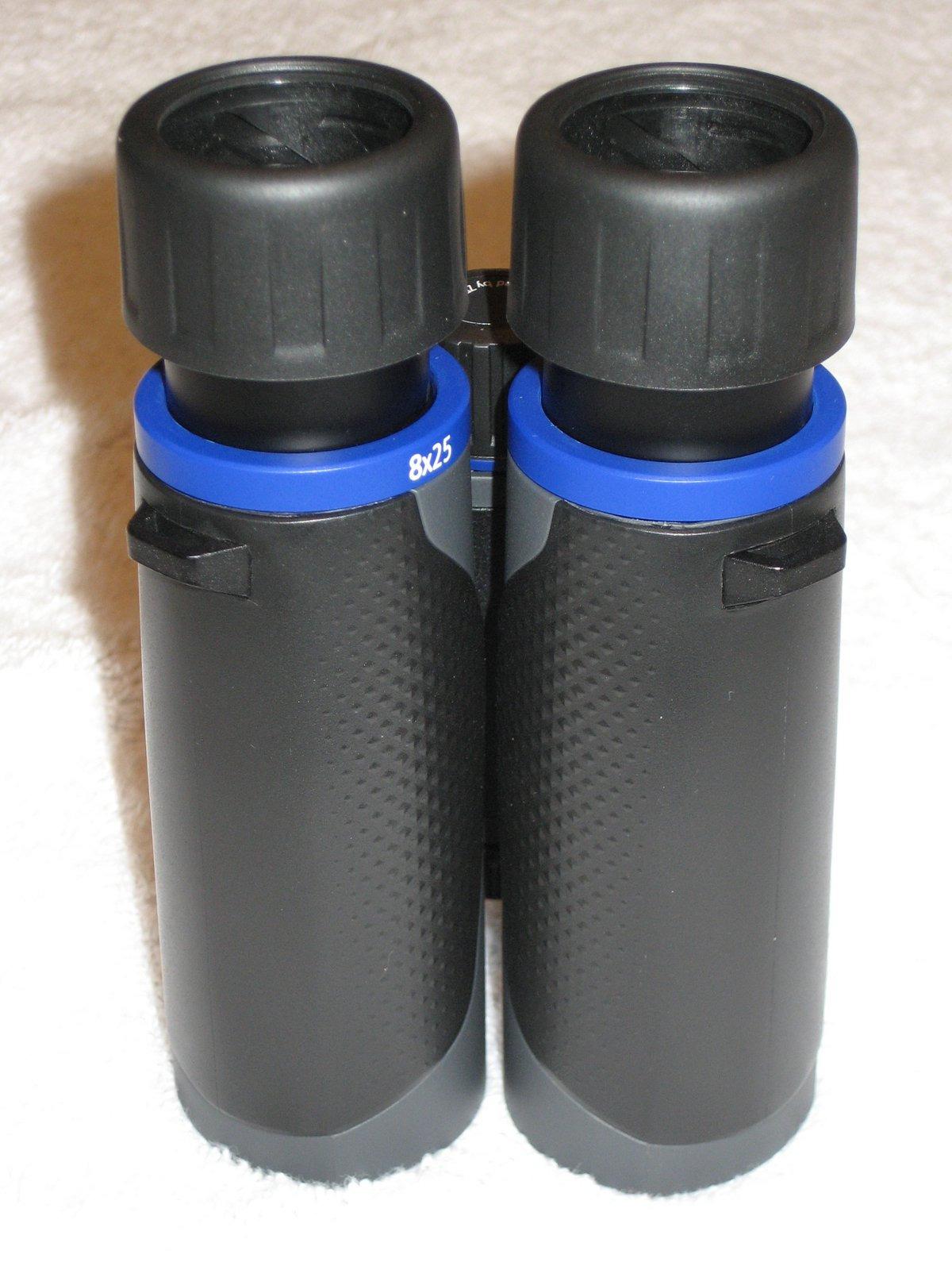
The other thing we genuinely like here is the focus wheel. It is large and designed for fast one-finger focusing, which matters on a compact pair that is likely to be used opportunistically rather than deliberately, when something appears between you and the vehicle and you have one hand free.
At 16mm, the eye relief is unusually good for a compact and works with eyeglasses, which is rare in this class. Our guide to best compact binoculars covers the trade-offs across the whole pocketable category.
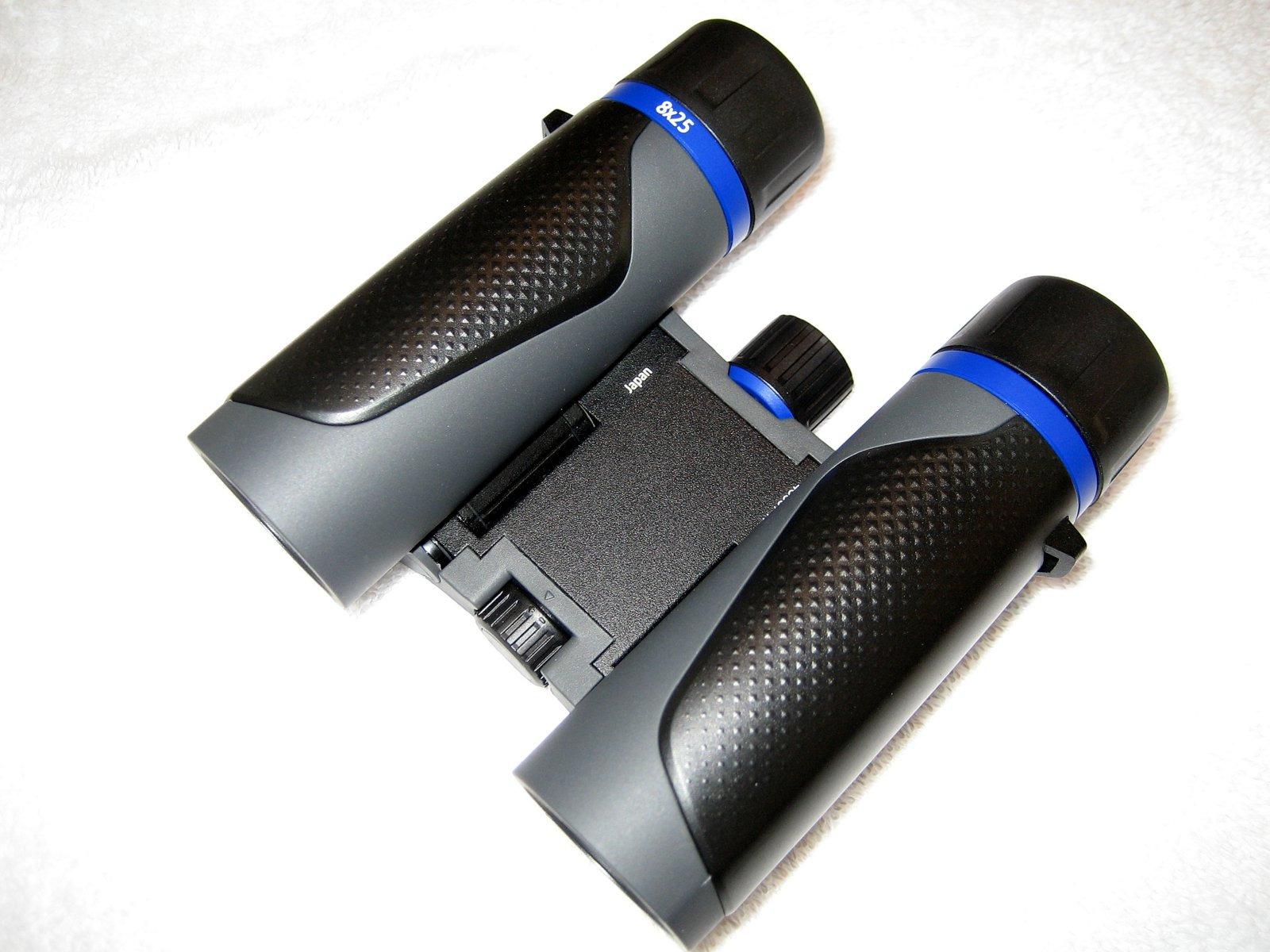
Compact does not have to mean weak
A 25mm objective normally costs you light, and that is exactly why the transmission figure matters. Light transmission is the percentage of incoming light that reaches your eye after losses through the coatings and prisms, and 88 percent is at the level of full-size premium glass. The practical effect is a noticeably clean, contrasty image from a body that fits in a jacket pocket.
For a traveller who carries a main 8×42 but wants something on a walk or a night drive, this is a genuinely good second pair. For a traveller whose only pair will be this, the 3.1mm exit pupil is the limitation to accept.
Where it will disappoint you
The chassis, not the glass. Owners describe the body build as cheap despite the good optics, with a rough focusing feel, and one report of a strap attachment point breaking after about a year of regular use. The bottom edge of the field can look slightly soft, and no lens caps are supplied, which on a pocketable pair that lives in a bag is an odd omission.
10. Nikon Trailblazer ATB 8×25 Binoculars – Best for Packing Light
Nikon Trailblazer 8x25mm ATB Binoculars – Compact, Waterproof & Fogproof, Bright Multilayer-Coated Optics, Roof Prism – All-Terrain Outdoor Wildlife Viewing & Birdwatching Binoculars (8217)
8x/25mm roof prism
429 ft FOV at 1000 yards
9.92 oz body
Nitrogen filled and O-ring sealed
Pros
- Under 10 ounces and slips into a jacket pocket
- Very wide 60 degree apparent field for quick scanning
- Bright high-contrast fully multi-coated image
- Rubber-armored body gives a secure grip when wet or gloved
- Nitrogen filled and O-ring sealed for full sealing
Cons
- 10 mm eye relief is very tight for eyeglass wearers
- 3.1 mm exit pupil limits performance before dawn and after dusk
- Suited to close and mid-range spotting rather than long-range ID
- Narrow diopter adjustment range
At under 10 ounces and with a foldable roof-prism body that measures 4.5 by 4.1 by 1.7 inches, the Trailblazer ATB is the pair you forget you are carrying. If your safari involves walking, flying light aircraft with a 15kg soft-bag allowance, or moving between lodges on foot, this is the one that does not eat your packing budget.
What you give up is light. The 3.1mm exit pupil is the smallest on this list and it is the number that decides brightness, so before sunrise and after sunset this pair shows you a dim image. During the day, though, the fully multi-coated optics produce a bright, high-contrast, true-to-colour view, and the 429 foot field of view at 1000 yards is the widest of any pick here.

That wide field has a specific use on safari: it lets you find and then track. A 60 degree apparent field means a large chunk of the scene stays in view, which is how you follow a leopard moving through scrub without repeatedly losing and reacquiring it. Owners specifically call out the fast scanning quality and the rubber armour grip in wet or gloved hands.
The sealing is nitrogen filled and O-ring sealed, rated waterproof and fogproof, with high-index BAK4 roof prisms. For something that weighs less than a sandwich it is properly built, and it includes a case, strap and protective lens covers.
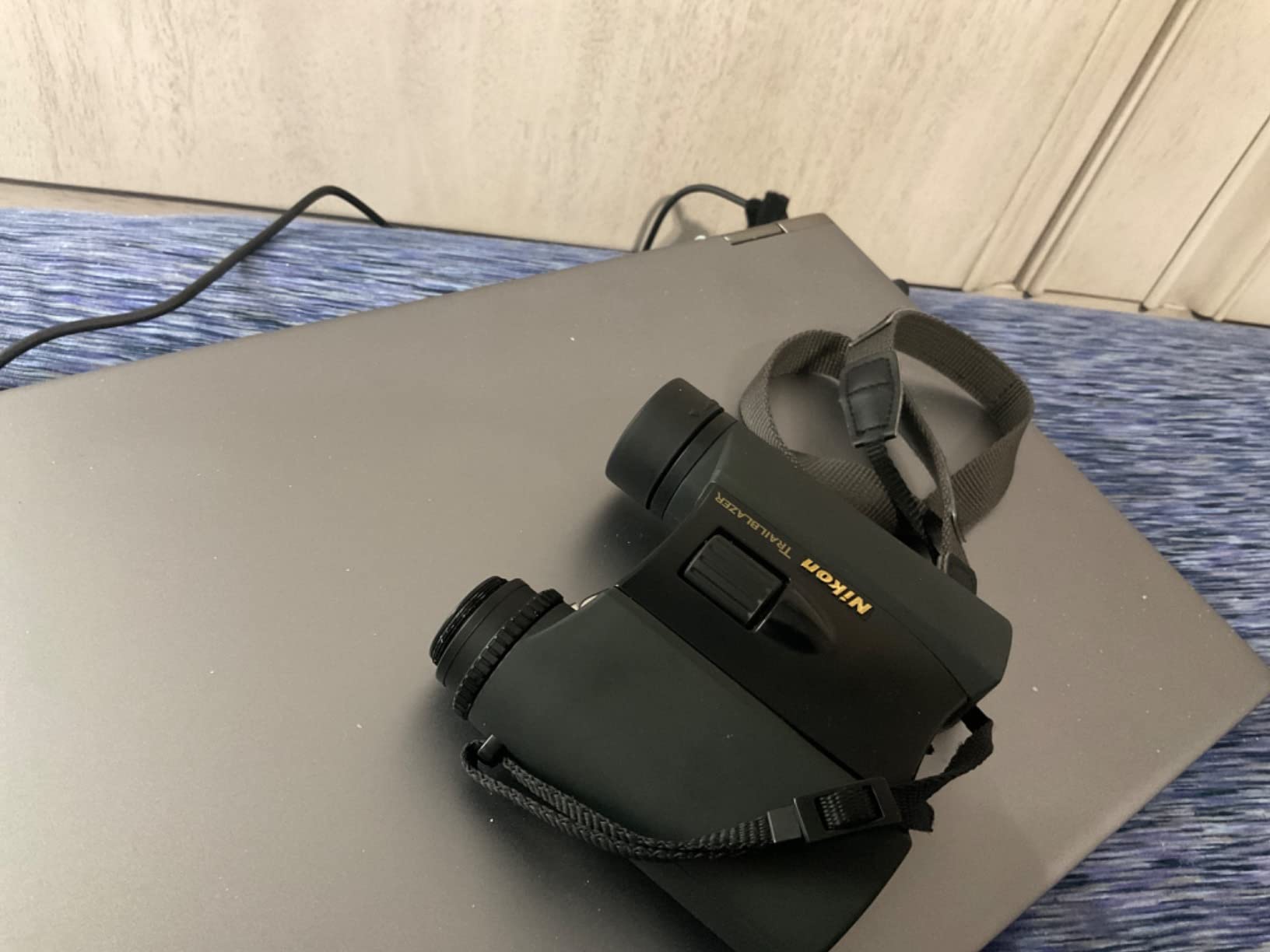
Who should pack this as their only pair
Daylight-focused itineraries on foot: walking safaris, self-guided walking in reserves, birding around a camp in the middle of the day, and short drives. It is also the sensible backup pair to bring alongside a larger one, because it costs you no meaningful weight and it is the pair you will grab when you are not in the vehicle.
Where it fails is night drives, dawn arrivals and long-distance identification. A 3.1mm exit pupil is genuinely dim when the light drops, and 8×25 is built for close and mid-range spotting rather than pulling a distant species apart.
Where it will disappoint you
If you wear glasses, do not buy this. A 10mm eye relief is the tightest in the roundup and several eyeglass wearers describe it as awkward to the point of unusable, because you cannot get close enough to the eyepiece without hitting the frame. The diopter adjustment range is also narrow, which limits how much difference it can absorb between your eyes.
11. Bushnell H2O 8×25 Compact Binoculars – Best Pocketable Compact
Bushnell 138005 H2O Waterproof/Fogproof Compact Roof Prism Binocular, 8 x 25-mm, Black
8x/25mm roof prism
340 g body
O-ring sealed and nitrogen purged
BaK-4 prisms
Pros
- Truly compact and pocketable at 340 g
- Genuinely waterproof and fogproof sealed body
- BaK-4 prisms give a bright clear image for an 8x25
- Rubber armor absorbs shock and gives a secure grip
- 15 foot close focus distance
Cons
- Narrow 25 mm objective limits light gathering at dawn and dusk
- 12 mm eye relief is tight for eyeglass wearers
- Small exit pupil means the image darkens quickly in shade
- Not ideal for long-range identification against 8x42 or 10x42
The H2O 8×25 is the most straightforward packable option in this roundup: a roof-prism compact at 340 grams, O-ring sealed, nitrogen purged and rated 100 percent waterproof, with BaK-4 prisms and a rubber armour shell that absorbs shock. Owners consistently describe it as an excellent packable binocular for travel, hiking and casual wildlife viewing.
For a traveller who wants one pair that will not be a problem on any flight, any walking day and any vehicle, this does the job. The 8x magnification is calm, the image is clean in daylight, and the object disappears into a bag in a way no 8×42 in this roundup manages.
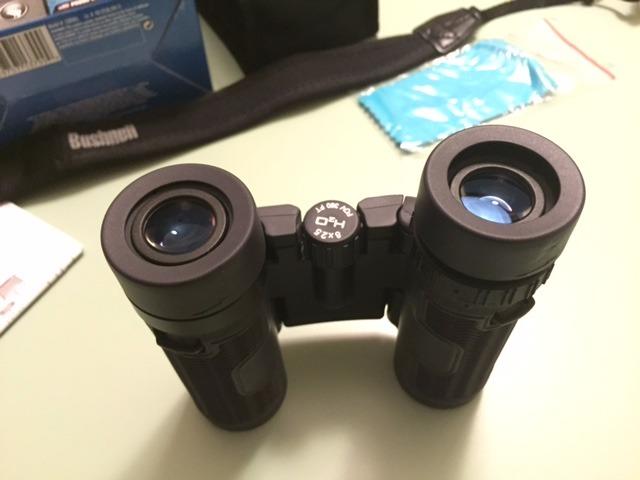
What you accept is light. A 25mm objective gives a small exit pupil, so the image darkens quickly in shade and the pre-dawn and post-dusk windows on an African safari are the periods where a full-size pair simply does more for you. This is the fundamental bargain of the compact class and no amount of good glass fully removes it.
Close focus of 15 feet is generous for the class, which makes it more useful than you would expect for general nature viewing, insects and close birds. The large centre focus knob and twist-up eyecups are easy to use with cold hands, and the box includes a case and strap.
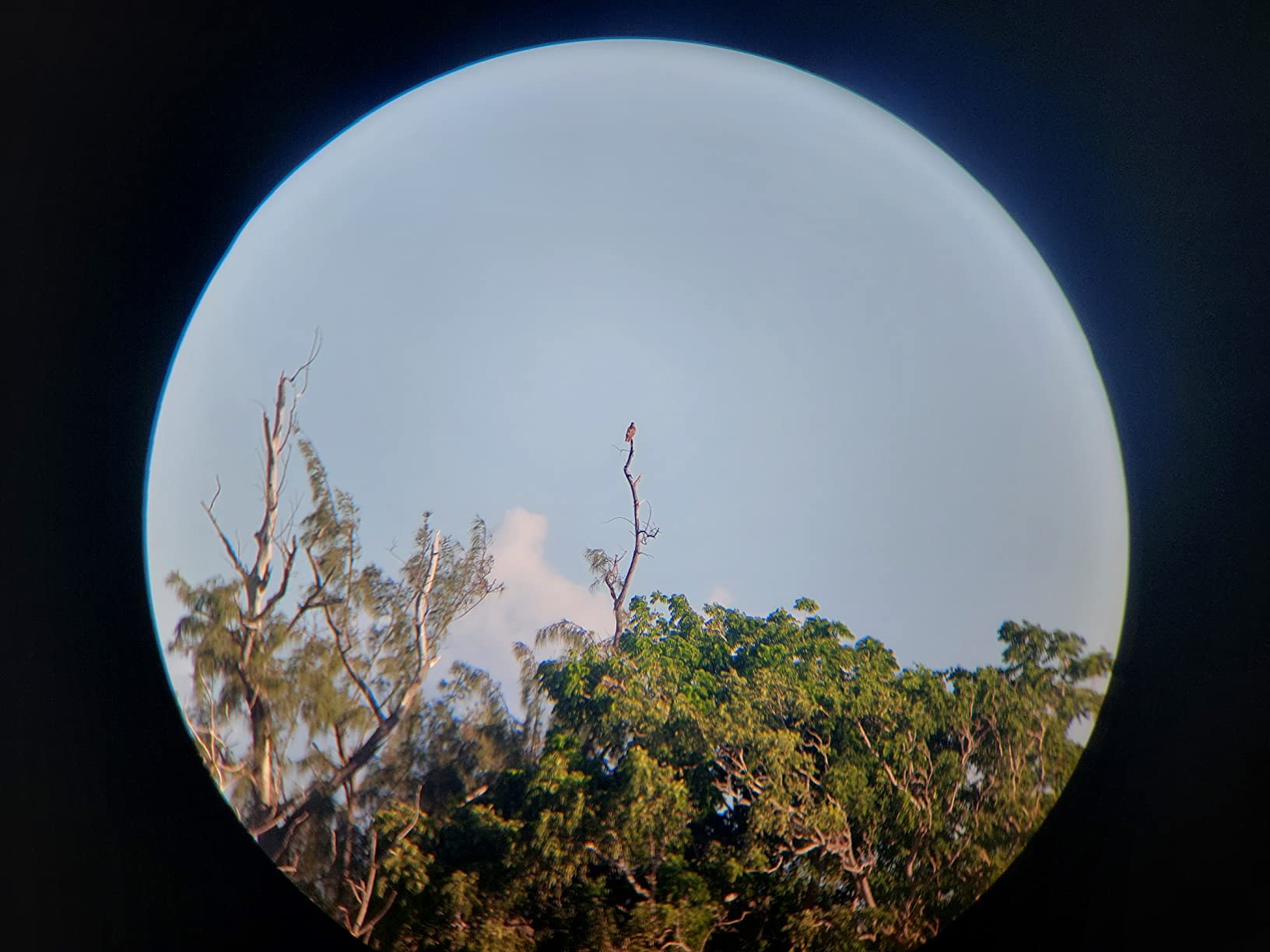
Compacts and the two-pairs approach
The most common way experienced travellers use a compact is not as a replacement but as a companion. You carry a full-size 8×42 or 10×42 on the drive, and a compact in your pocket for walking, camp and the parts of the day when you are not behind glass. The H2O 8×25 at 340 grams is light enough that carrying it adds nothing to the 15kg soft-bag budget that bush flights impose.
It is also the sensible choice for a traveller whose eyesight or grip strength makes a full-size body tiring. The failure mode of a heavy pair is not damage, it is the fact that you stop picking it up.
Where it will disappoint you
The 12mm eye relief is tight for eyeglass wearers, though less severe than the Trailblazer’s 10mm. The image will be dim before dawn and after dusk, and reviewers are clear that it is not the tool for long-range identification compared with an 8×42 or 10×42. If a distant leopard at 400 metres is the goal, this is the wrong pair.
12. Celestron Outland X 10×42 Binoculars – A Starter 10×42 for Big-Game Identification
Celestron Outland X 10×42 Binoculars for Wildlife & Hunting
10x/42mm roof prism
306 ft FOV at 1000 yards
15 mm eye relief
Waterproof and nitrogen purged
Pros
- Crisp clear image with good colour rendition and high contrast
- Solid rubberised construction that feels well made
- Waterproof and fogproof and reported to survive heavy rain
- Twist-up eyecups usable with sunglasses or glasses
- Smooth quick focusing and diopter adjustment
Cons
- One eyepiece has a documented tendency to loosen from the rubber armor
- Heavier and bulkier than expected for the size
- 10x produces noticeable hand shake without support
- Narrower field of view than 8x42 models
The Outland X 10×42 sits at the bottom of this roundup, and it is here because a specific job. If you want the maximum useful magnification for reading distant game across open terrain and you have never owned a decent pair, this is the least expensive way to find out whether 10x suits you. Owners describe the image as crisp and clear with good colour rendition and high contrast, and several report it as their first real pair of binoculars.
Multi-coated lenses with BaK-4 prisms give a bright, true-to-life image, the housing is rubber-armoured polycarbonate and sealed against water and fogging, and multiple owners report it surviving heavy rain and temperature swings without internal fogging. The twist-up eyecups have roughly 8mm of range, which is enough to use it with sunglasses.
We also want to be straightforward about the problem. The most common negative theme across reviews is a recurring build issue where one eyepiece loosens in its rubber armour and can work loose. It is well documented, it is not an optical fault, and Celestron’s limited lifetime warranty service is consistently rated as excellent when it happens, which is the reason this pair still makes the list.
There is also a spec discrepancy worth knowing: the listing shows a field of view of 306.81 feet at 1000 yards alongside a 6.8 degree apparent angle, while the technical section describes a 5.5 degree field. Either way it is the narrowest true field of view of any 10×42 here, so treat it as a reach-first instrument rather than a scanning one.
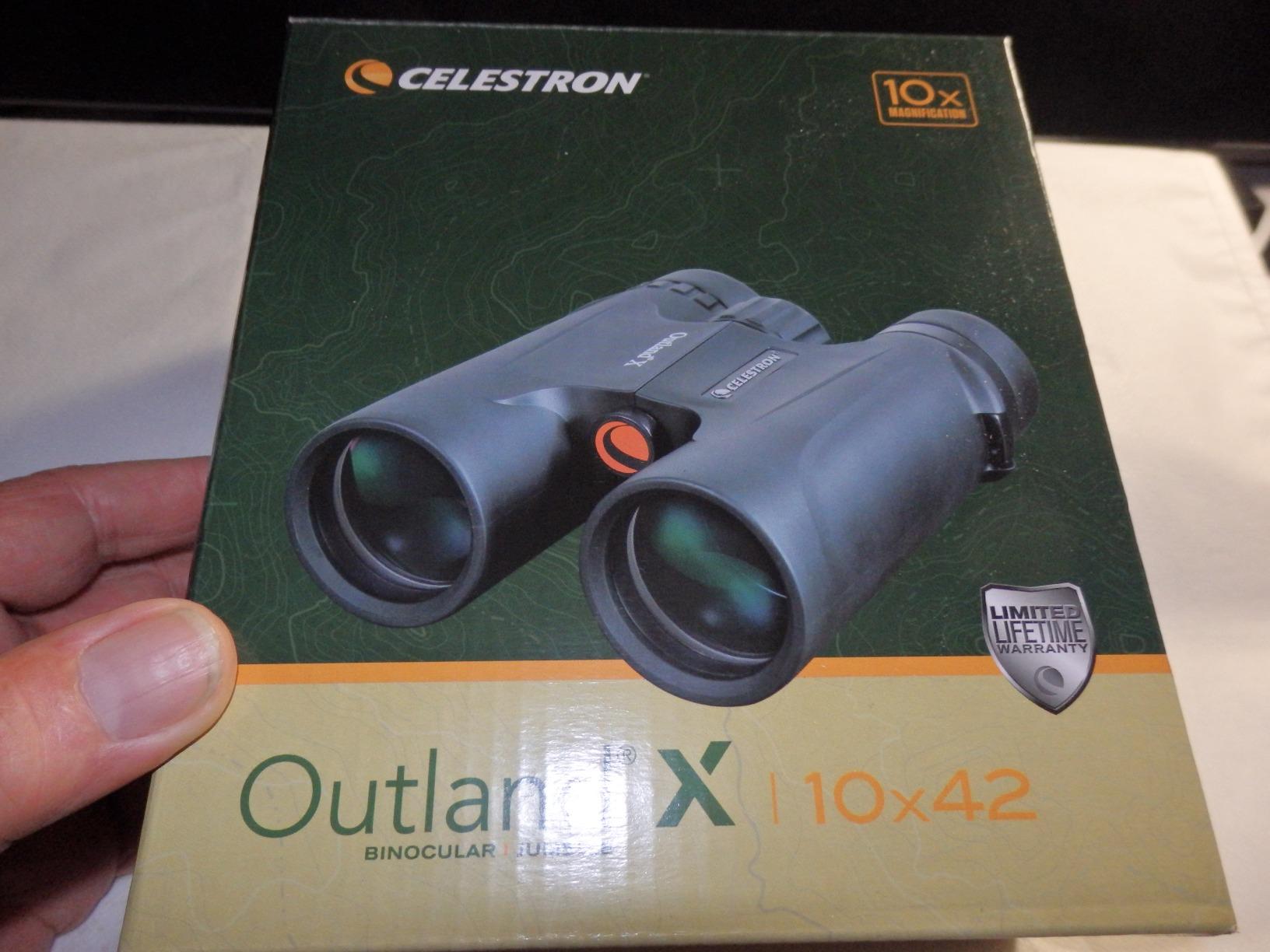
Who should buy the cheapest 10×42 on the list
First-time buyers on a strict budget, and anyone who specifically wants to test whether they are a 10x person before spending properly. It also has a genuine appeal as a beater pair: something you can leave in the vehicle, hand to a child, or take on a rough walk without thinking about it. Owners report good detail at distance for the tier, which is the point.
If your trip is walking-heavy rather than drive-heavy, we would still steer you toward an 8×42 or a 10×42 with less bulk. At around 2 pounds, this is among the heaviest pairs in the roundup, and on a 15kg allowance that weight is more consequential than the price difference.
Where it will disappoint you
Expect two things. The eyepiece loosening issue described above, which is a build quality problem rather than an optical one, and noticeable hand shake at 10x without a tripod, which is inherent to the magnification. The field of view is the narrowest of the 10x42s here, so panning takes more work. If you are over 50 or unsteady on your feet, this is the wrong magnification entirely and we would point you at an 8×42 instead.
8×42 vs 10×42: Which Should You Buy for Safari?
Buy 10×42 if your drives are across open terrain and you want to identify distant species, and buy 8×42 if you want a wider field of view, a steadier image in a moving vehicle, easier bird identification, or if you are over 50 or wear glasses. Both are correct safari binoculars; they simply trade width and steadiness against reach, and the right answer depends on your itinerary and your hands rather than on a rule.
Here is how the two actually differ in the field.
Field of view. An 8×42 typically shows around 370 to 390 feet at 1000 yards where a 10×42 shows closer to 300 to 330. That extra scene per glance is what lets you find an animal before you have found it with the glass, and it is why the 8x wins on walking safaris and in woodland.
Exit pupil and brightness. A 42mm objective divided by 10 gives a 4.2mm exit pupil, while the same objective at 8x gives 5.25mm. The larger pupil from the 8x is brighter in shade and at twilight, which is exactly when dawn game drives happen.
Steadiness. Hand-held shake rises steeply with magnification, and a pitching open vehicle amplifies it. This is the single most common complaint in safari forums about 10x, and the reason travellers over 50 tend to self-select 8x.
Eye relief. Because a 10x has to place a more magnified image into the same space, it typically has less eye relief. Several of the 8x42s here offer 17.5 to 20.2mm against 15 to 17mm on the 10x42s, and that matters if you wear glasses.
Where each wins. 10×42 for open plains, distant herds, and identifying species across a wide valley. 8×42 for woodland, walking safaris, birding, dawn shade, and any trip where steadiness and a wide view matter more than raw reach.
Our recommendation, if you are only buying one pair and you are not sure: a 10×42 with 17mm or more of eye relief, or an 8×42 if you expect to spend more time out of the vehicle than in it. Both are represented in the roundup above, and the honest answer for most people is that the difference matters less than the sealing, the field of view and whether you can hold the thing up for three hours.
Binoculars by Safari Scenario
Most of the confusion about safari binoculars comes from treating the question as a single decision. It is not: the right pair changes depending on where you are and what you are looking for. Here is how the scenarios break down against pairs in this roundup.
Open vehicle game drives. Magnification up to 10x, objective 42mm, field of view at least 320 feet, and a body light enough for long hangs. Our pick is the Vortex Crossfire HD 10×42, with the Diamondback HD 10×42 as the step-up if your drives are dawn-heavy.
Walking safari and self-guided walking. Weight becomes the constraint. Under 10 ounces, a wide field, and sealing. The Nikon Trailblazer ATB 8×25 is the pick, and the Bushnell H2O 8×25 is the alternative if you prefer a more compact shape.
Birding hide and slow vehicle time. A wide field and 8x, with close focus for perched birds. The Celestron Nature DX 8×42 wins this, with the Nikon Monarch M5 8×42 if your birding runs into low light or you want ED glass.
Dawn and dusk driving. Exit pupil is what matters, because the light is weak and the contrast is poor. A 42mm objective at 8x gives you the largest exit pupil available in this roundup. The Nature DX 8×42 or the PROSTAFF P3 8×42 are the practical choices; the ZEISS Terra ED Pocket is the one with the best coatings, provided you are not out before first light.
Stargazing from camp. Safari camps have almost no light pollution, and binoculars are the right tool. Anything 8×42 or 10×42 works, and the wider field pairs reveal more stars at once. Our best astronomy binoculars guide covers this in more detail, and it is worth remembering that the same pair does both jobs.
Older travellers and glasses wearers. Eye relief above 17mm and 8x rather than 10x. The Nikon PROSTAFF P3 8×42 at 20.2mm of eye relief is the best fit here, with the Celestron Nature DX 8×42 and Bushnell H2O 8×42 close behind.
Water and boat safaris. An IPX7 submersion rating matters more than any optical specification. The Bushnell H2O Xtreme 10×42 is the pick, and the Bushnell H2O 8×42 covers the 8x side.
How to Choose Binoculars for an African Safari
Seven things actually decide whether a pair works on safari. Everything else on the box is decoration. Here they are in the order we would assess them.
1. Weight, before anything else. A pair you find heavy is a pair you stop reaching for. Under 25 ounces is the working threshold for a full-size pair, and anything under 11 ounces for a compact. Bush flights with a 15kg soft-luggage allowance force this decision for you whether you make it deliberately or not.
2. Sealing, and what the words mean. Look for O-ring seals and nitrogen or argon purging. A dry inert gas inside the body is what stops the internal fogging that a cold dawn followed by a hot midday causes. The marketing word waterproof is unreliable on its own; an IPX7 rating is a standardised submersion claim and is worth more.
3. Objective lens diameter. The second number after the magnification is the diameter of the front lens, in millimetres, and it decides how much light you gather. 42mm is the safari standard because it balances light gathering against bulk. 25mm is a compact compromise, and it is the reason compacts go dim before sunrise.
4. Exit pupil. Divide the objective diameter by the magnification and you get the exit pupil, the size of the bright disc of light at the eyepiece. Above roughly 5mm, the view stays bright in shade and twilight. This is the single number that explains why an 8×42 outperforms a 10×42 at dawn despite having less magnification, and it is the number most buyers never check.
5. Field of view. Expressed in feet at 1000 yards, this is how much you see at a set distance. A wider field is easier to scan, easier to track a moving animal and easier to find a bird before you have found it. For open landscapes you need less; for woodland and walking you need more. Above 350 feet is comfortable, above 380 is very good.
6. Eye relief. The distance from the eyepiece to your eye at which the view is not vignetted. If you wear glasses, you need 16mm or more, and 18mm or more if you also wear sunglasses. If you are over 50, treat eye relief and steadiness as hard requirements rather than preferences.
7. Roof prism versus Porro prism. A Porro prism is wider, usually brighter and typically cheaper, with a distinct bump in the middle. A roof prism is narrower, more compact and more rugged, and holds collimation better, which is why every pair in this roundup is a roof prism. On safari, in a vehicle over corrugated tracks, that robustness is the deciding factor.
Two bonus details. ED, or extra-low dispersion, glass suppresses the colour fringing you get around high-contrast edges, which matters most in dawn light and against a bright sky. And a tripod mount, even unused, is a useful fallback: on a walking safari you will occasionally want to set up rather than scan. Our guide to zoom binoculars explains why we do not recommend zoom on this trip.
Binoculars vs a 40x Phone Camera on Safari
Binoculars locate, phones document, and they fail in completely different ways. A phone with 40x or more optical zoom can genuinely resolve a distant animal and produce a photograph you will keep. It cannot scan a hillside in two seconds, it cannot show you a field of view, and it will not hold up in dawn light without taking a picture first.
This is a live argument on safari forums, and the pinned advice in one large thread is roughly that binoculars are definitely useful but a 40x phone can sometimes do the same job. Sometimes is doing a lot of work in that sentence. Finding a leopard in scrub is a search problem before it is a magnification problem, and searching is what binoculars are built for.
Concretely: a pair of binoculars shows you a 320 to 390 foot field at 1000 yards. A phone at 40x shows a small, tight, hand-shaking slice of a landscape. Sweeping a grassland for movement takes seconds with glass and minutes with a camera, because you keep stopping to compose and re-acquire. In practice the phone gets used after the binocular has already found the animal.
There is also a battery argument that safari forums raise constantly. Electronics fail, batteries die, and a phone with a dead battery in the Okavango is a serious problem for navigation and communication. Glass does not care.
So: if your priority is photographs of Big Five from 100 metres, spend your money on a camera lens. If your priority is seeing and identifying animals from 400 metres, the binoculars are what earns their place, and the phone is what you pull out afterwards.
Packing, Fogging and Field Care on Safari
Most of the damage happens before you arrive. A pair that arrives misaligned, or fogged, or with a loose hinge after a transit leg is the single most common complaint in the reviews here, and all of it is avoidable.
On the 15kg soft-luggage problem, budget the weight before you buy. A full-size 8×42 or 10×42 at 22 to 25 ounces costs you roughly 0.7kg of your allowance, which is a meaningful fraction of a small soft bag once you add a camera, a lens, clothing and shoes. If you are tight, choose a pair around 1.3 pounds rather than 2 pounds, and consider the compact options rather than cutting the camera kit.
On fogging, the mechanism is simple: warm humid air enters a cool body and condenses on the inside of the glass. Nitrogen or argon purging prevents it, which is why we treat O-ring sealing and purging as a hard requirement. If yours still fogs on a humid dawn drive, take the binoculars out of the case and let them acclimatise on the dashboard while you drink your coffee. A lens cloth is a worse solution than patience.
On dust, keep the objective caps on in the vehicle. Road dust is abrasive and it is the leading cause of long-term coating damage, more than any amount of rain. Do not clean lenses with anything other than a blower and a microfibre cloth, and never with a shirt hem or a tissue.
After the trip, do a collimation check: look at a distant straight edge, a door frame or a power line, and check that both sides of the image line up. If they do not, most of these brands will service or replace the unit under warranty. Celestron, Vortex, Nikon and Bushnell all carry lifetime or Ironclad coverage on the models above, which makes an after-trip check worth the two minutes.
What We Would Skip for Safari
Retail pages rank highly for safari binoculars and push several categories that we think are a mistake on this particular trip.
12x, 15x and 20x binoculars, and anything that zooms. Above 10x, hand-held shake dominates and the image swims. In an open vehicle over corrugated track, a 15x is close to unusable, and you will find animals and then lose them. A zoom pair is worse still, because the field of view changes and the image darkens as you zoom in. Our guide to zoom binoculars sets out the detail, but the short version for safari is: fixed 8x or 10x only.
Digital night-vision binoculars. They need batteries, they are heavy, and the image quality of consumer units is poor. A dead battery on a night drive means no viewing at all. If you want night capability, a separate handheld unit with replaceable batteries is a better purchase than a binocular with electronics built in.
Very cheap non-ED generic glass. Below a certain point you are paying for coloured fringing and a soft image rather than for a working pair. The fringing gets worse precisely where it hurts most, at long range in dawn light, and the field of view is usually narrow to compensate for the poor central sharpness.
50mm and 60mm objective lenses. These gather a lot of light and they are wonderful at night, but they are physically enormous, and enormous does not fit in a 15kg soft bag or sit comfortably in a vehicle for a whole day. 42mm is the safari sweet spot for a reason.
Anything without a warranty you can actually use. All twelve picks here carry a lifetime, limited lifetime, VIP or Ironclad warranty. On a trip involving multiple transit legs and a dust-prone environment, that is not a minor detail.
Frequently Asked Questions
Is 8×42 or 10×42 better for safari?
A 10×42 is the better choice for open terrain and identifying distant game, because the extra magnification resolves species at 300 to 400 metres. An 8×42 is better for woodland, walking safaris, birding, dawn shade and anyone over 50 or wearing glasses, because it has a wider field of view, a steadier image and a larger exit pupil. If you only buy one pair and are unsure, choose a 10×42 with 17mm or more of eye relief.
What kind of binoculars are recommended for an African safari?
Look for a weather-sealed roof-prism binocular in a full-size 8×42 or 10×42 configuration. Four criteria matter: objective lens diameter of 42mm for light gathering in dawn and dusk, an exit pupil above 5mm if you view in low light, eye relief of 16mm or more if you wear glasses, and a weight under 25 ounces. Nitrogen or argon purging with O-ring seals is essential for dust and temperature changes.
What is the best magnification for binoculars when on safari?
Ten power is the maximum useful magnification in an open safari vehicle, because hand shake rises steeply beyond it and the image swims as the vehicle pitches. Eight power is the practical maximum for bird identification and for anyone whose hands are not perfectly steady. Anything at 12x or above is better suited to a tripod or to astronomy than to a moving game drive.
What are the best binoculars for safari and bird watching?
An 8×42 is the right all-round answer for both activities, because a wide field of view and a steady image matter more when you are identifying birds. The Celestron Nature DX 8×42 leads our picks for this, with a 388 foot field of view at 1000 yards, 17.5mm of eye relief and a close focus that suits perched birds. If your safari is more about distant mammals than canopy species, a 10×42 is the better tool.
Are binoculars necessary on an African safari, or does a 40x phone camera do the same job?
Binoculars locate, phones document. A phone with 40x or more optical zoom can produce an excellent photograph of a distant animal, but it shows a small hand-shaking slice of landscape rather than a wide field you can sweep in seconds. Finding a leopard in scrub is a search problem before it is a magnification problem. Binoculars also need no battery, which matters on a multi-day trip.
Final Verdict
The best binoculars for African safaris are the Vortex Crossfire HD 10×42 for most people, the Celestron Nature DX 8×42 if you want a wider view and do more birding, and the Nikon PROSTAFF P3 8×42 if you wear glasses or want the most eye relief in the roundup. All three are weather-sealed, weigh under 25 ounces and have field widths wide enough to sweep an open plain.
If your budget is fixed, the decision path is short. Under a tight budget, buy the Vortex Triumph HD 10×42 or the Celestron Nature DX 8×42 and stop thinking about glass. In the middle, the Vortex Diamondback HD 10×42 is the pair that upgrades the image without changing the ergonomics. Above that, spend on ED glass such as the Nikon Monarch M5 8×42 or on light transmission and coatings such as the ZEISS Terra ED Pocket, and buy the ultralight compact for walking days.
And check with your lodge before you buy anything. Many camps supply or rent binoculars, and if yours does, a loaner pair tells you what you actually like before you spend a single unit on your own.
We earn a commission from qualifying purchases at no additional cost to you. This article was last updated in 2026.