
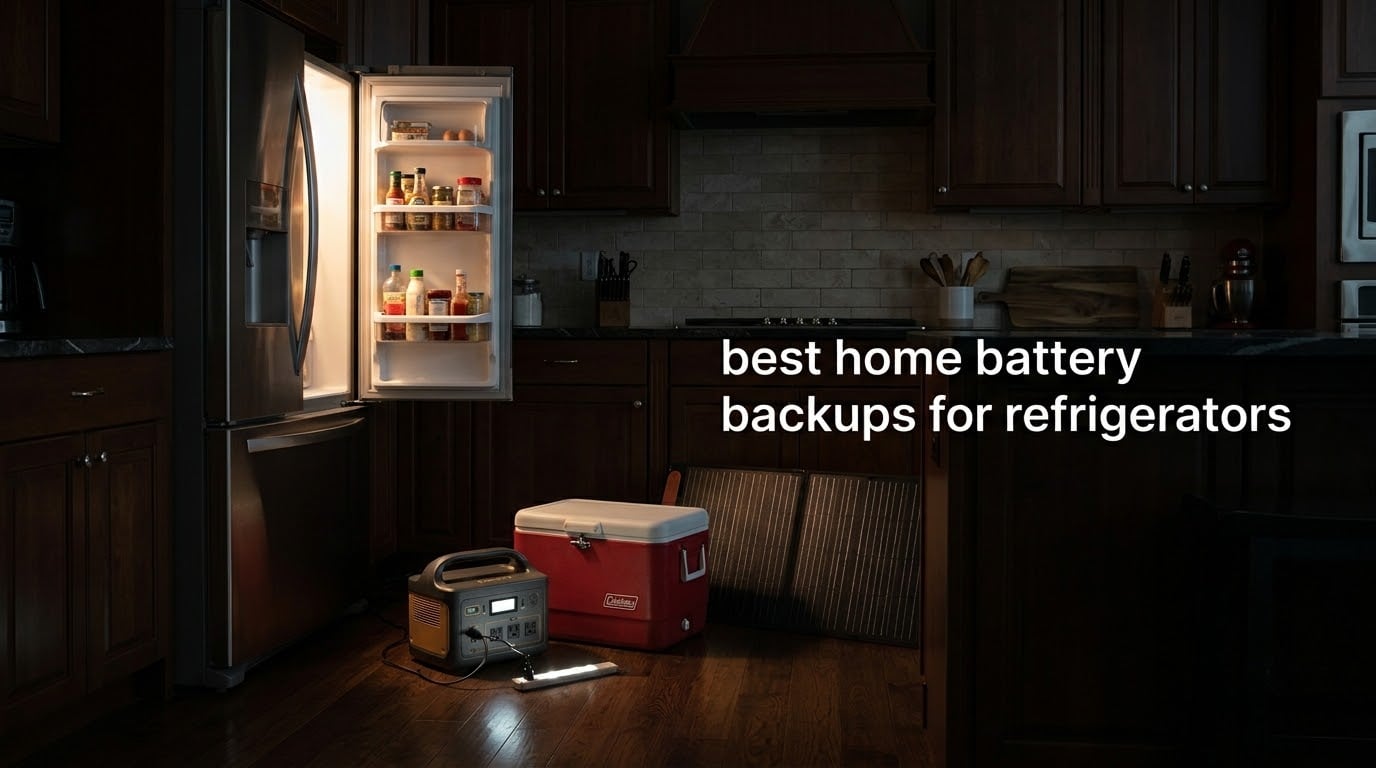
A refrigerator is the one appliance nobody wants to think about until the lights go out. The food is the visible cost, but the compressor is the real problem: a fridge does not draw a steady 150 watts for 24 hours, it cycles on and off, and every time the compressor kicks back on it asks the power source for roughly three times its running draw for a second or two. A backup that looks adequate on a spec sheet can trip on that spike and cut power to the very appliance it was bought to save.
Our team worked through the best home battery backups for refrigerators currently on the market, ten units in the main capacity classes plus one budget UPS, and sorted them by the two things that decide real fridge performance: usable watt-hours after inverter losses, and whether the unit can absorb a compressor start. I want to be straight with you about method first, because a lot of roundups get this part wrong. I did not unplug ten real refrigerators for a month. I read every spec sheet, worked through the owner review data product by product, and ran the watt-hour math for the three scenarios that matter: fridge alone, fridge plus freezer, and fridge plus critical household loads.
That distinction matters, because the market here is genuinely crowded and the answer is not one product. A 1,000Wh-class portable power station handles a refrigerator overnight with room to spare. A 2,000Wh unit gets you through a full day and most of a second. A 3,600Wh unit is where multi-day ice storms stop being a crisis. And the cheapest UPS on this list, while genuinely great for protecting a router or a desktop, is the wrong tool for a fridge, and I explain exactly why rather than quietly leaving it out.
Every product below is a LiFePO4 battery backup capable of clean sine wave AC output, which matters for compressor motors. If you are still shopping for the fridge itself rather than the power, our guides to the best garage refrigerators and best portable camping refrigerators cover the other half of the equation.
Table of Contents
Top 3 Picks for Refrigerator Backup in 2026
These three cover the widest range of real situations. The Jackery is the one you can move between rooms, the BLUETTI is the best capacity-to-cost balance, and the EcoFlow DELTA Pro is the answer for anyone whose outages routinely run past a day. Each is backed by thousands of owner reviews, which matters more in this category than in almost any other, because fridge behavior varies so much house to house that real-world reports beat laboratory conditions.
All 10 Battery Backups Compared in 2026
The quick view of every unit in this roundup, ordered from the highest review count to the lowest so you can see how much real-world evidence sits behind each one. Review counts matter in this category more than a marketing badge, because fridge duty cycles vary so widely between homes.
| Product | Specs | Action |
|---|---|---|
 Jackery Explorer 1000 v2 Jackery Explorer 1000 v2 |
|
Check Latest Price |
 BLUETTI AC180 BLUETTI AC180 |
|
Check Latest Price |
 BLUETTI Elite 100 V2 BLUETTI Elite 100 V2 |
|
Check Latest Price |
 Anker SOLIX C1000 Gen 2 Anker SOLIX C1000 Gen 2 |
|
Check Latest Price |
 EF ECOFLOW Delta 3 Classic EF ECOFLOW Delta 3 Classic |
|
Check Latest Price |
 EF ECOFLOW DELTA 2 Max EF ECOFLOW DELTA 2 Max |
|
Check Latest Price |
 BLUETTI Elite 200 V2 BLUETTI Elite 200 V2 |
|
Check Latest Price |
 Jackery Explorer 2000 v2 Jackery Explorer 2000 v2 |
|
Check Latest Price |
 EF ECOFLOW DELTA Pro EF ECOFLOW DELTA Pro |
|
Check Latest Price |
 CyberPower CP1500PFCLCD CyberPower CP1500PFCLCD |
|
Check Latest Price |
1. Jackery Explorer 1000 v2 – the lightest unit that still clears a compressor start
Jackery Explorer 1000 v2 Portable Power Station,1070Wh,1500W
1070Wh LiFePO4
1500W AC output
3000W surge
23.8 pounds
20ms UPS
Pros
- Lightest 1kWh class unit at 23.8 pounds with a foldable handle
- Listed to run fridges and air conditioners off 1500W output
- One hour emergency charging through the Jackery app
- LFP battery holds over 70 percent capacity after 4000 cycles
- Three pure sine wave AC outlets plus two USB-C including 100W PD
- Quiet 30dB overnight charging mode
Cons
- Solar charging works only with Jackery branded panels
- Fast one hour charging must be re-enabled in the app each session
- Only three AC outlets for the power it delivers
At 23.8 pounds with a foldable handle, the Explorer 1000 v2 is the only unit in this roundup that a single person can reasonably carry from a bedroom outlet to the kitchen without planning around it. That sounds like a small detail until you picture doing it at 6am in a dark house during a three-day outage. The 1070Wh capacity and 1500W continuous output comfortably cover a standard refrigerator, and the 3000W surge ceiling gives a compressor start real headroom rather than marginal clearance.
Three pure sine wave AC outlets is genuinely the weak point. The spec sheet lists 1500W of aggregate output across a small outlet count, so if you are running a fridge plus a router plus a lamp, plan the layout before you buy rather than after. Two USB-C ports including 100W PD and a 12V car port fill in some of that gap for non-AC loads.
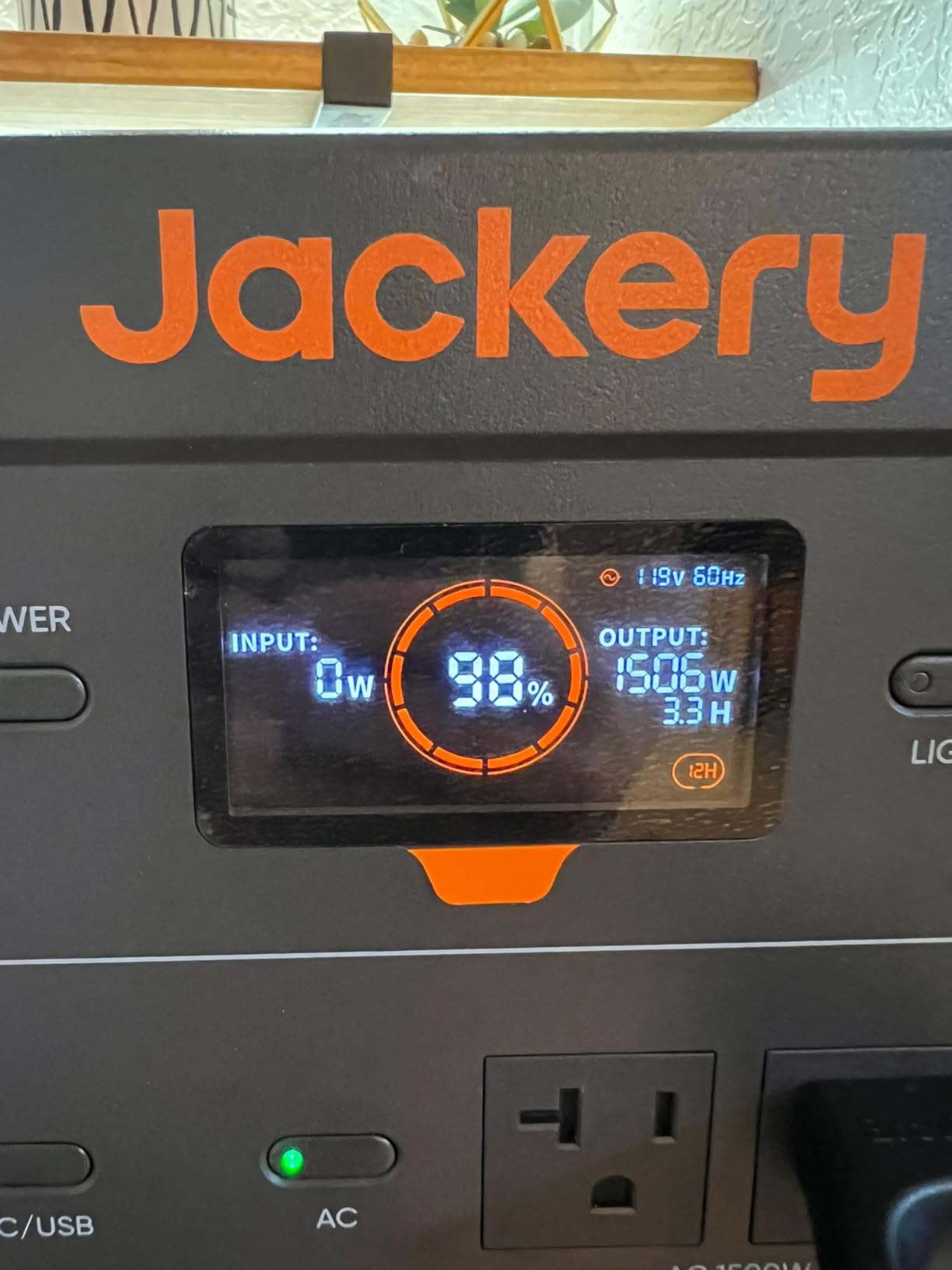
The one setting worth knowing before your first outage: the one hour emergency charge is not the default. Owners report a 1.7 hour charge out of the box and a 1 hour charge once the emergency charging option is switched on in the Jackery app. Turn it on during setup, while you still have WiFi, because that hour is the difference between a full day of backup and roughly three quarters of one.
Battery longevity is a genuine strength here. The LFP cell is rated for more than 4,000 cycles and holds over 70 percent capacity at that point, which works out to well over a decade of daily use. The 30dB charging mode means it can refill overnight next to a sleeping household without becoming the reason everyone wakes up.
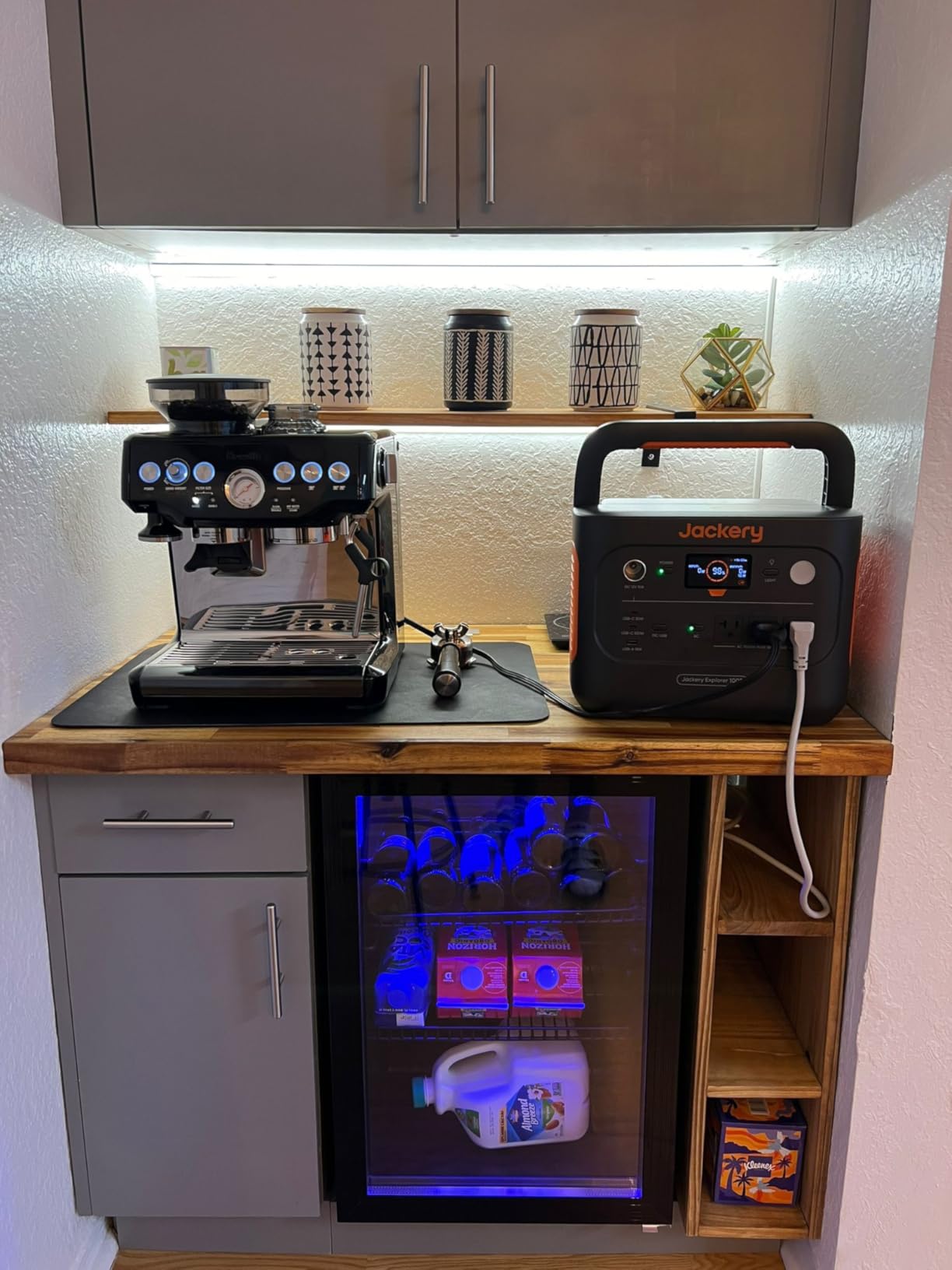
Why the surge headroom matters for a compressor
A refrigerator compressor typically draws several times its running wattage for the first second after the compressor restarts. With 3000W of surge capacity against a fridge that typically runs in the low hundreds of watts, this unit has roughly double the margin needed for a clean start. That margin is the difference between a backup that quietly keeps your food cold and one that clicks off every time the compressor cycles back on, which is the single most common failure users report in this category.
Where the brand-locked solar input will annoy you
Solar charging on this unit works only with Jackery branded panels. If you already own portable solar from another brand, or you are buying panels to add later, you are locked into one ecosystem at the point where you would most expect flexibility. The app also controls charging modes and quiet operation, so this is a unit that expects a phone to live alongside it, and you should factor that into your setup plan rather than treating the app as an accessory.
2. BLUETTI AC180 – best value with the most outlets per unit of capacity
BLUETTI AC180 Portable Power Station 1152Wh 1800W LiFePO4 Solar Generator
1152Wh LiFePO4
1800W AC output
2700W peak
37.4 pounds
20ms UPS
Pros
- Full recharge in about 1 hour at 1440W AC input with 0-80 percent in roughly 45 minutes
- 1152Wh paired with 1800W continuous output covers a refrigerator plus lights and networking
- 20ms UPS switchover keeps routers and computers running without a visible interruption
- 11 total outlets including AC USB-A USB-C a car port and a wireless charging pad
- 500W solar input for roughly 2.8 to 3.3 hour solar charges
- Quiet operation with a bright easy to read LCD
Cons
- Heavy at roughly 37 pounds and better suited to place and plug than to carry
- Draws about 15-20W of its own power with the inverter on which cuts usable capacity
- Only about 90 percent of rated capacity is usable due to battery self-protection
- Some units ship with older firmware that slows AC charging until updated through the app
The AC180 is the value pick in this roundup for a specific reason: 1152Wh and 1800W of continuous output, paired with eleven outlets, in a five-year warranty package. For a fridge, the 1800W continuous rating and 2700W peak give a large safety margin over typical compressor start demand, and the 20ms UPS switchover means a router or a desktop plugged into the same unit will not notice the outage at all.
Eleven outlets is a lot for a unit this size. Eight are AC, with USB-A, USB-C, a 12V car port and a wireless charging pad on top. If you are building one hub for a fridge, networking gear and medical equipment during an outage, this is the unit that lets everything live in one place instead of daisy-chaining extension cords through a dark kitchen.
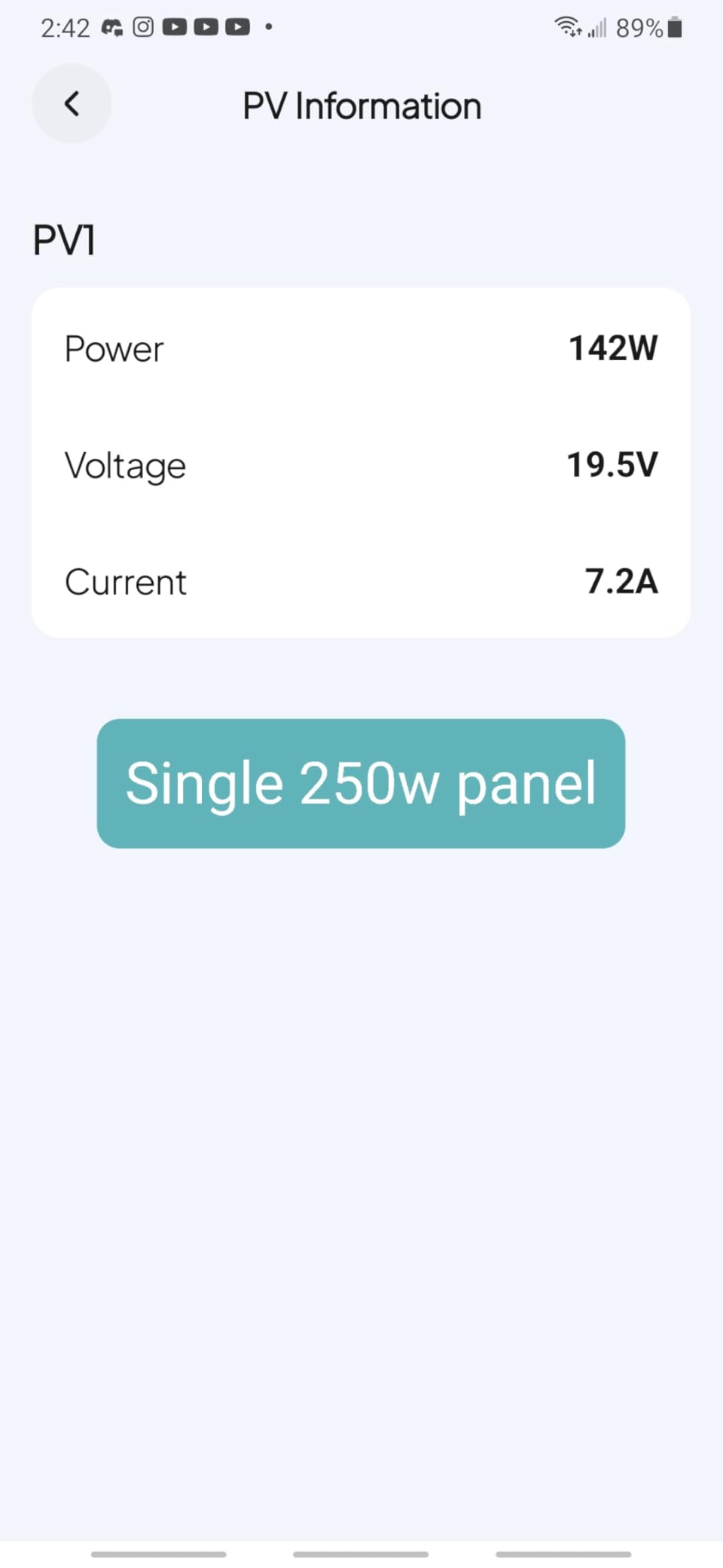
Charging speed is the other headline. At 1440W AC input it goes from zero to 80 percent in about 45 minutes and reaches full in roughly an hour, which means a unit that starts an outage near empty can realistically be back in service before you have finished dealing with the rest of the house. The 500W solar input refills it in roughly 2.8 to 3.3 hours under good conditions, so one standard folding panel meaningfully extends a multi-day event.
Two honest caveats before you commit. The unit draws about 15-20W of its own power whenever the inverter is on, and that parasitic draw comes straight out of the capacity you bought. Combined with roughly 90 percent rated capacity available after battery self-protection, your real usable number on this unit is closer to 1000Wh than the 1152Wh on the label, and I would rather you plan around that than be surprised at hour 20 of an outage.
Where the 37 pound weight changes your setup
This is a place-and-plug unit, not a carry unit. At 37.4 pounds you can move it, but you will set it down once and leave it there, which means the outlet you choose during setup is the outlet it uses for the whole event. Put it somewhere it can reach the fridge circuit without a long extension run, and somewhere you can hear the alarm if it ever trips, because a 20ms UPS that silently fails to switch over is a failure you will not discover until the food is already warming.
App dependency and firmware worth handling early
Some units ship with older firmware that leaves AC charging slower until the update is applied through the app, and several settings including charging rate can only be changed on the phone rather than on the unit display. Set the firmware up, adjust the parameters, and confirm the display matches what you configured before you need any of it. The top-mounted wireless charging pad is the one feature owners report least reliably, so do not plan your phone survival around it.
3. BLUETTI Elite 100 V2 – the compact option for a fridge in a small space
BLUETTI Elite 100 V2 Portable Power Station for Camping 1024Wh 1800W
1024Wh LiFePO4
1800W AC output
3600W lifting
25 pounds
10ms UPS
Pros
- 1024Wh capacity in a compact 17L design weighing 25 pounds
- 0-80 percent charge in roughly 45 minutes with 1200W TurboBoost AC input
- 10ms UPS switchover keeps routers and PCs alive during outages
- 30dB silent mode makes it quiet enough for indoor or overnight use
- Power Lifting mode runs higher draw appliances
- 11 ports allow several devices to run at once
Cons
- At 25 pounds it still feels heavy for one-handed carrying
- 12V car outlet runs warm when a draw exceeds about 12W
- Slow 12V vehicle charging unless a separate charger is used
- Low draw AC loads around 7W may not register on the wattage readout
The Elite 100 V2 packs 1024Wh and 1800W of continuous output into a 17-liter body weighing 25 pounds, and the 3600W lifting capacity gives you a very large margin for a compressor start. The 10ms UPS transfer is among the fastest here, which matters if you are also keeping a router, a network switch or a home office alive on the same unit.
At 45 minutes from zero to 80 percent on 1200W AC input, it recovers fast for its size, and the 30dB silent mode makes it practical to run in a bedroom or a hallway where a fan noise would be noticed. It also charges from solar, AC, car, lead-acid or a generator, which is a broader list than most competitors in the 1,000Wh class.
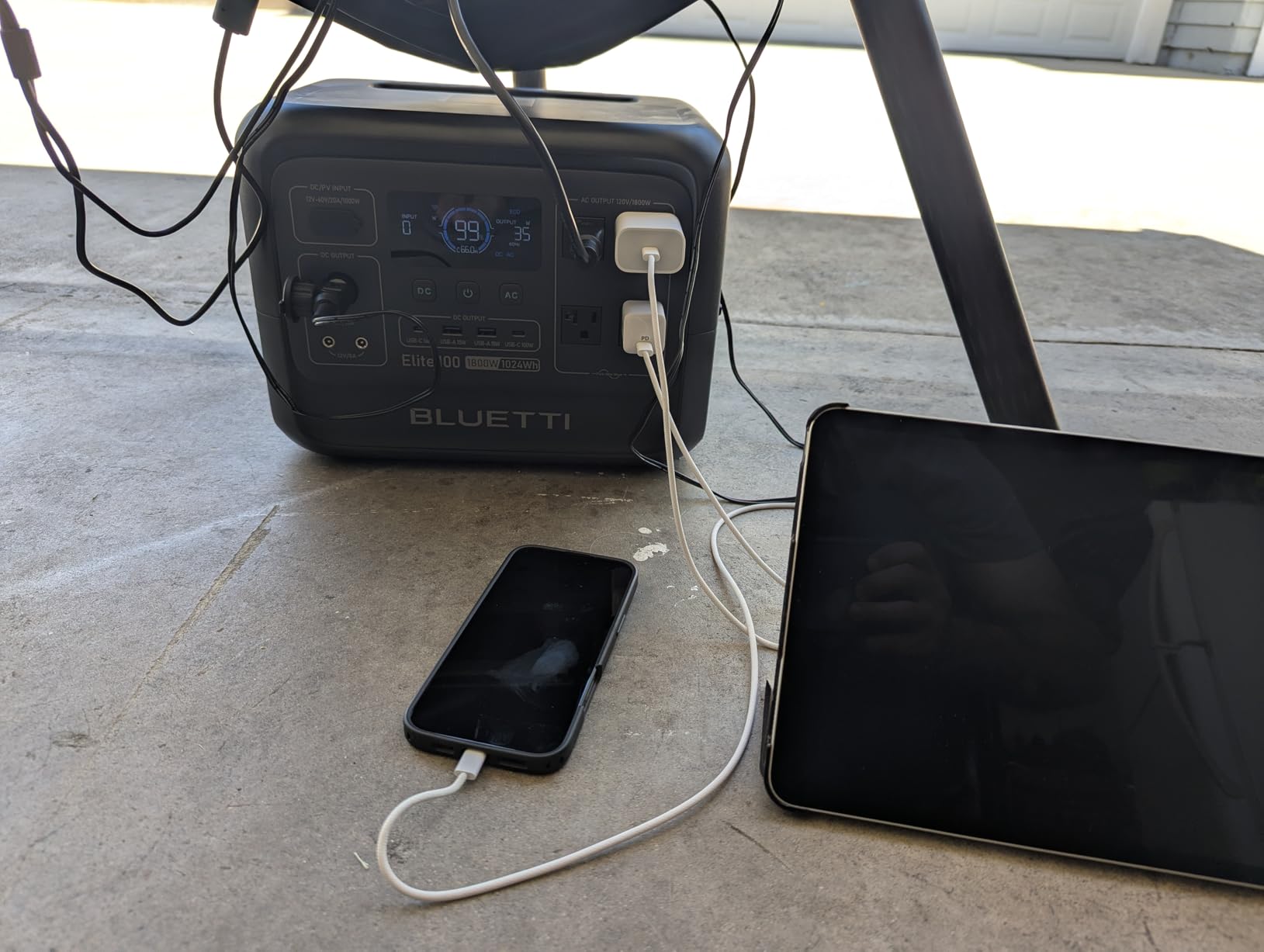
Where it earns its place in a fridge roundup is the combination of footprint and output. The 12.6 by 8.5 by 9.8 inch body will sit against a wall in a galley kitchen or tuck into a utility closet, and 1800W continuous means a refrigerator plus a freezer is within reach rather than aspirational. Reviewers frequently pair this unit with a 12V portable fridge and report roughly a full day of runtime on a single charge, which tracks with the sizing math later in this guide.
Two smaller things to know. The 12V car outlet runs warm when a draw exceeds about 12W, so keep heavy 12V loads off it. And low draw AC loads around 7W may not register on the wattage readout, which is mostly a display quirk, but it can leave you thinking a device is off when the unit has actually registered almost nothing.

Why the 10ms transfer time is worth more than it sounds
Switchover speed determines whether a connected device sees an outage at all. At 10ms, routers, laptops and small medical devices treat the grid failure as a flicker rather than a power loss and keep running without a reboot prompt. A slower transfer does not hurt the refrigerator much, since a fridge rides through a brief gap on its own capacitors, but it is the difference between a seamless night and a router that needs manual attention at dawn. The same speed is also why this unit appears in setups aimed at medical refrigeration needs.
Where the port layout will disappoint a heavy load
Eleven ports sounds generous until you map them against AC demand specifically. Four of the outlets are AC, so a fridge plus a freezer plus anything else on AC requires planning. The 12V car charging path is slow unless you add a separate BLUETTI charger, and the exposed DC barrel ports are easy to short with conductive material, which is a real concern in a garage or a workshop where metal filings sit on surfaces. Some owners also report a cooling fan error message on the first solar connection that clears on its own.
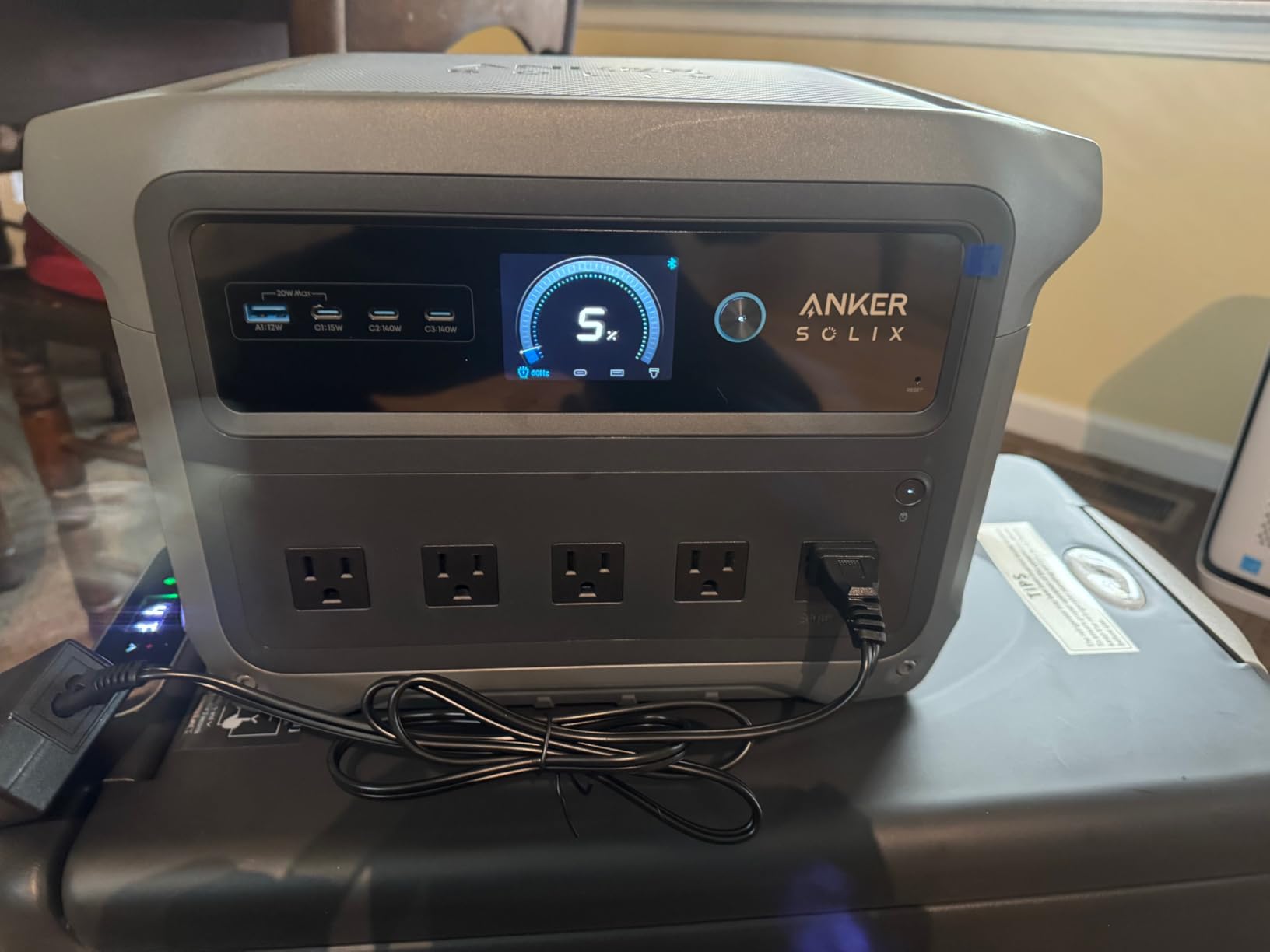
4. Anker SOLIX C1000 Gen 2 – the fastest way back from empty
Anker SOLIX C1000 Gen 2 Portable Power Station
1024Wh LiFePO4
2000W continuous output
3000W peak
49 minute recharge
under 10ms UPS
Pros
- Full recharge in about 49 minutes at 1600W with HyperFlash enabled in the app
- 2000W continuous output and 3000W peak across up to 10 devices
- Under 10ms UPS switchover keeps CPAP machines laptops and routers running
- 600W solar input recharges in about 1.8 hours
- Battery retains at least 80 percent capacity after 4000 cycles
- Bluetooth monitoring shows state of charge without walking to the unit
Cons
- Gen 2 is not expandable unlike the original C1000
- Some microwave loads show roughly 15-20 percent harmonic distortion on the sine wave
- No protective storage case for cables and adapters
- 12V vehicle socket charging is slow without a faster adapter
The headline number here is the 49 minute full recharge at 1600W with HyperFlash enabled in the app, which is the fastest recovery in this roundup and the reason owners describe it as the difference between one long outage day and a full day of backup. For a refrigerator scenario that logic is direct: the unit spends more time available and less time sitting in a corner recovering while your food warms.
With 2000W continuous output and 3000W peak, compressor start is not a stress case here. Owners report running refrigerators for multiple days on a single charge, and Anker SOLIX C1000 owners on forums describe running a 36 quart fridge for four days straight on one unit. The under 10ms UPS transfer keeps CPAP machines, laptops and routers running, which makes this a strong second-unit choice for anyone in a household where a medical device and a fridge need power from the same event.
The 600W solar input is also the largest in the 1,000Wh class on this list, refilling the unit in about 1.8 hours under good conditions. That matters more than it sounds, because solar is the only realistic way to extend a battery outage past a day without driving to a place with a working outlet. The unit also measures 14 percent smaller and 11 percent lighter than comparable models, and carries a five year warranty.
Bluetooth monitoring means you can check state of charge from across a house without walking to the unit, and the TOU mode handles time of use tariffs for people who also use this as a normal home energy source rather than pure emergency kit. Battery longevity is rated at retaining at least 80 percent capacity after 4,000 cycles under the InfiniPower durability program.
Why losing expandability matters for outage planning
The Gen 2 is not expandable, unlike the original C1000, so 1024Wh is all you get. For a single refrigerator over a one or two day outage that is a fair trade, especially given the recharge speed. If you are planning for a fridge plus a freezer plus networking gear over a three day ice storm, this is the wrong unit on expansion grounds alone, and the DELTA 2 Max or the Elite 200 V2 are the ones built for that path.
Where the inverter waveform is not perfect
Some microwave loads show roughly 15 to 20 percent harmonic distortion on the sine wave output. A refrigerator motor is a far more forgiving load than a microwave magnetron, so this does not affect fridge duty, but it does mean this is not the unit to reach for if you plan to run a microwave during an outage. The absence of an included cable storage case is a small annoyance, and 12V vehicle charging is slow without a faster adapter.
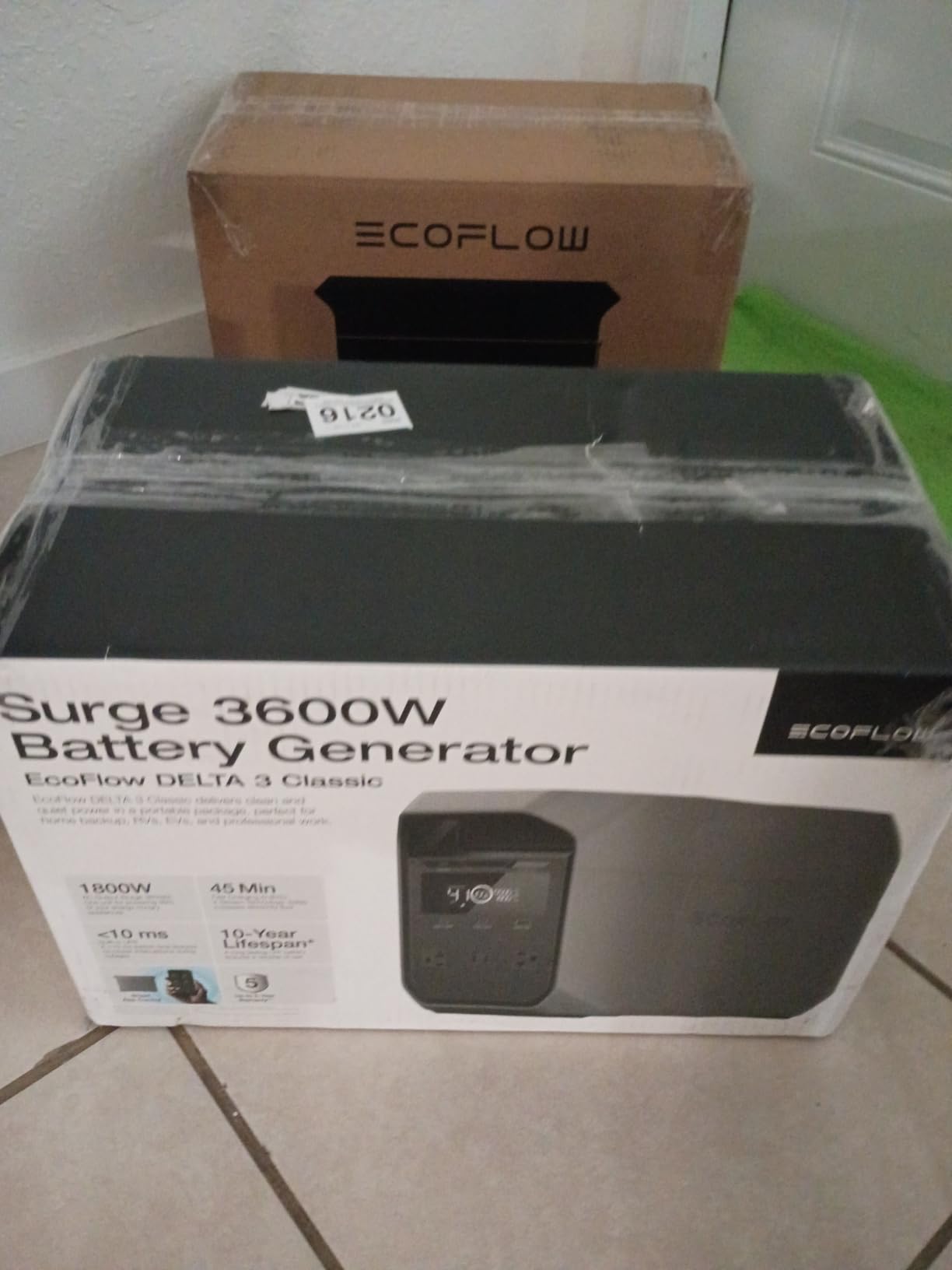
5. EF ECOFLOW Delta 3 Classic – the one with the most satisfied owners
EF ECOFLOW Portable Power Station Delta 3 Classic, 1024Wh 1800W AC
1024Wh LiFePO4
1800W AC output
3600W surge
26.7 pounds
under 10ms UPS
Pros
- 0-80 percent charge in about 45 minutes with X-Stream AC charging
- 1800W output with 3600W surge plus X-Boost to 2600W marketed for refrigerators and microwaves
- Under 10ms automatic UPS transfer protects sensitive electronics
- LiFePO4 cells rated for 10 plus years of daily use with an EV-grade CTC design
- 500W solar recharge in about 2.5 hours
- App scheduling with Storm Alert and self-powered backup modes
Cons
- At 26.7 pounds it is heavy to carry around
- Not compatible with DELTA 2 or DELTA 3 series extra batteries so capacity cannot be expanded
- Solar input under about 50W is not effectively used on cloudy days
- Some buyers received units that arrived already opened or would not power on
The Delta 3 Classic carries the highest proportion of five-star ratings in this roundup, and the reason is consistency rather than any single headline spec. It has 1024Wh, 1800W of continuous output, 3600W of surge, and X-Boost that pushes the effective ceiling to 2600W for resistive and motor loads. Compressor start is comfortably inside that envelope, which is the first thing to check on any list like this.
The under 10ms automatic UPS transfer is genuinely fast, and the LFP cells are rated for more than 10 years of daily use on an EV-grade cell to chassis design with a smart battery management system. For anyone buying a fridge backup they expect to keep for a decade, the chemistry rating is as important as the capacity number on the box.
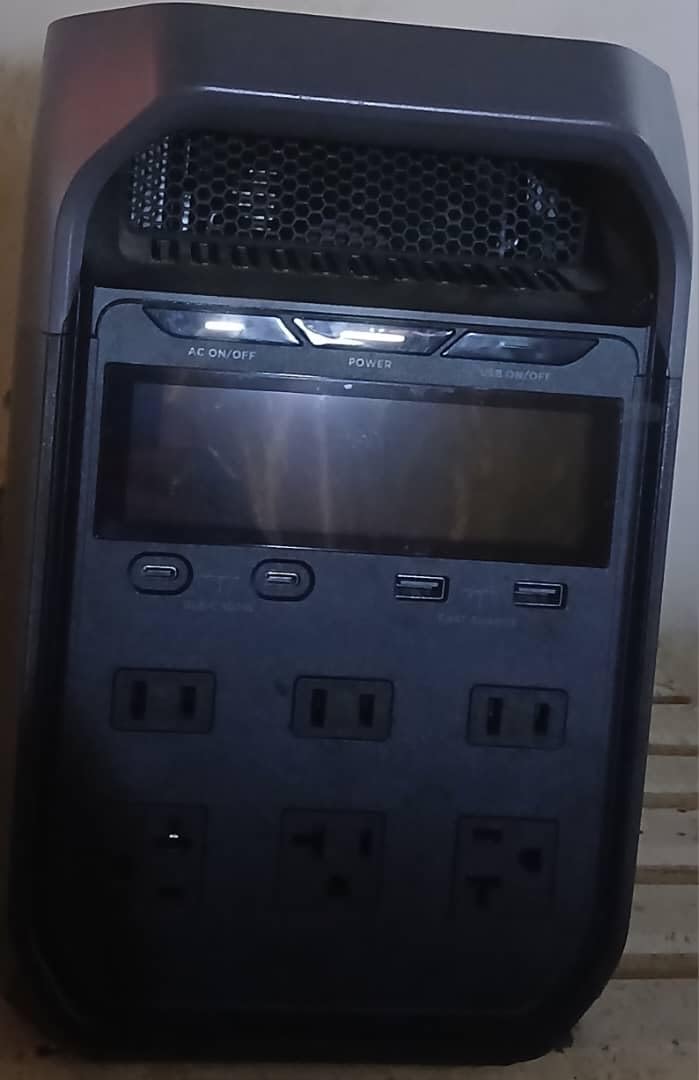
Charging is fast: zero to 80 percent in about 45 minutes on X-Stream AC charging, with a 500W solar input refilling in roughly 2.5 hours. The app adds scheduling, a Storm Alert function and self-powered backup modes, and Storm Alert in particular is useful in wildfire shutoff regions where a shutoff notice gives you a countdown rather than a surprise.
Owners report running a portable fridge full time on battery without a loss of power, and the six outlets are enough for a refrigerator plus a router plus a lamp with room to spare. The 26.7 pound weight is the same trade every unit in this class makes, and this is a plug it in and leave it situation rather than a carry situation.
Why apartment dwellers should look here first
This is the unit to consider if you rent, cannot install a transfer switch, cannot store fuel, and have an HOA rule against a gas generator. It needs nothing but an outlet, produces no exhaust, and at 30dB class quiet operation will not draw complaints from a neighbor in an outage. For a single refrigerator in an apartment, this class of unit is the whole answer, and the smaller 1024Wh footprint suits a kitchen counter or a closet far better than a 2,000Wh tower would.
Where the extra battery options stop
This model is not compatible with DELTA 2 or DELTA 3 series smart extra batteries, so the 1024Wh figure is fixed. If your outage planning assumes a fridge, a freezer and some medical equipment, or if you want capacity that grows as your needs grow, the DELTA 2 Max in this roundup supports expansion to 6kWh and is the EcoFlow route that does. Separately, solar input below roughly 50W is not effectively used, so on heavily overcast days expect solar to contribute close to nothing rather than a trickle.
6. EF ECOFLOW DELTA 2 Max – the expandable step up for fridge plus freezer
EF ECOFLOW Portable Power Station DELTA 2 Max 2048Wh, 2400W LiFePO4 Battery
2048Wh LFP expandable to 6kWh
2400W continuous output
3400W with X-Boost
50.7 pounds
Pros
- 0-80 percent charge in about 43 minutes or 1.1 hours on AC alone
- 2048Wh base capacity expandable to 6kWh with two extra solar batteries
- LFP chemistry rated for 3000 cycles to 80 percent capacity with a 5 year service plan
- 2400W continuous output and 3400W with X-Boost across 15 outlets
- Charges quietly from 30dB for overnight use
- Built-in battery management system monitors voltage current and temperature
Cons
- Tall 20 inch form factor is harder to store in a cabinet or closet
- Extra battery expansion packs add significant cost and footprint
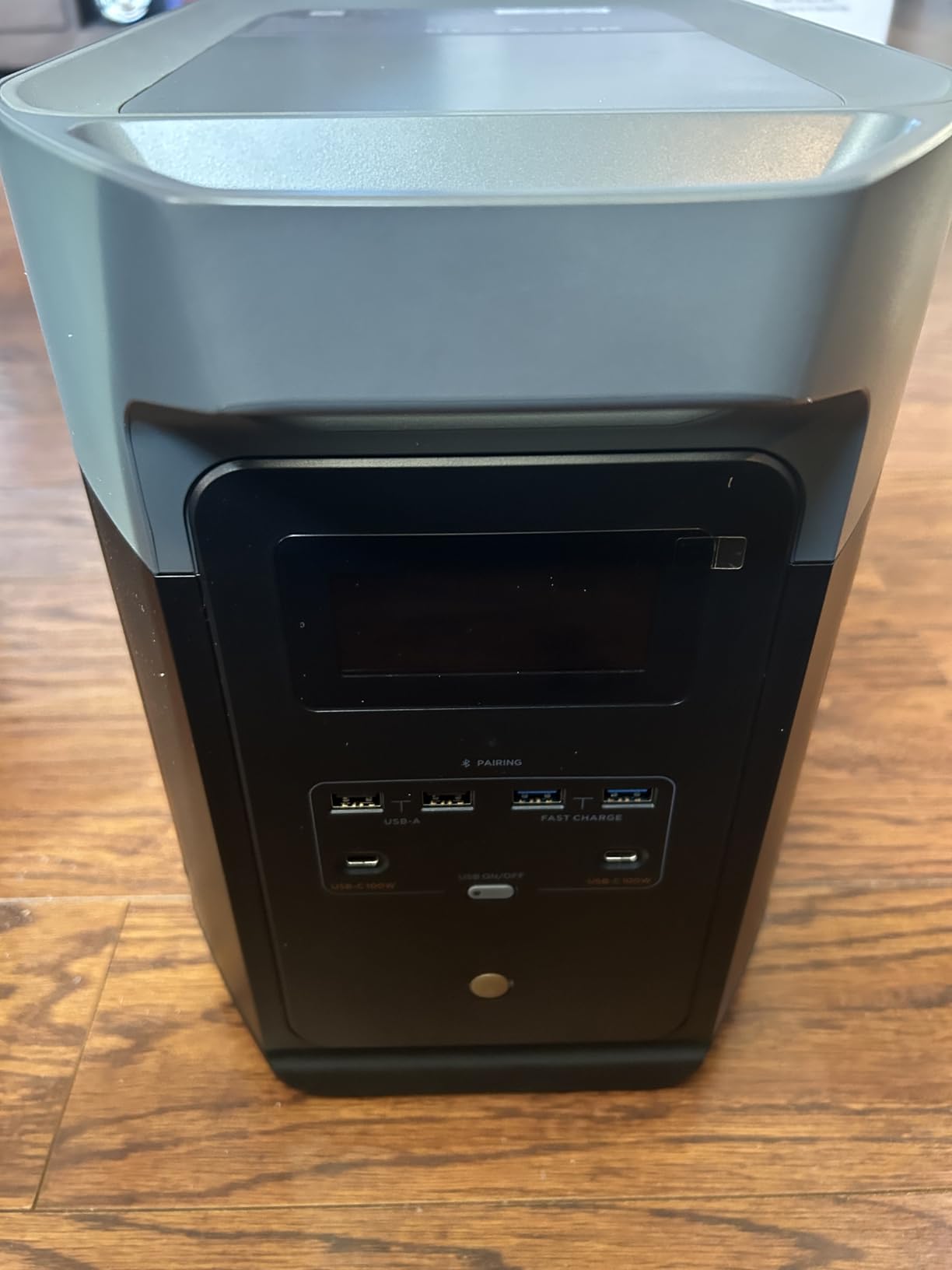
The DELTA 2 Max is the first unit in this roundup where a refrigerator stops being the only thing you are running. At 2048Wh base capacity with 2400W of continuous output, 3400W with X-Boost, and fifteen outlets, this is the unit for a fridge plus a freezer plus routers, lights and a small medical device on the same circuit. Expansion to 6kWh with two extra solar batteries means you can start at 2kWh and grow, which is the honest answer to anyone who suspects their first capacity purchase will be too small.
Charging is the standout. Zero to 80 percent in about 43 minutes when solar and AC input combine, or roughly 1.1 hours on AC alone, and it charges quietly from 30dB so a refill can happen overnight without becoming the reason the household wakes up. The 3,000 cycle rating to 80 percent capacity with a five year service plan is lower than the best units here but still comfortably past a decade of realistic emergency use.
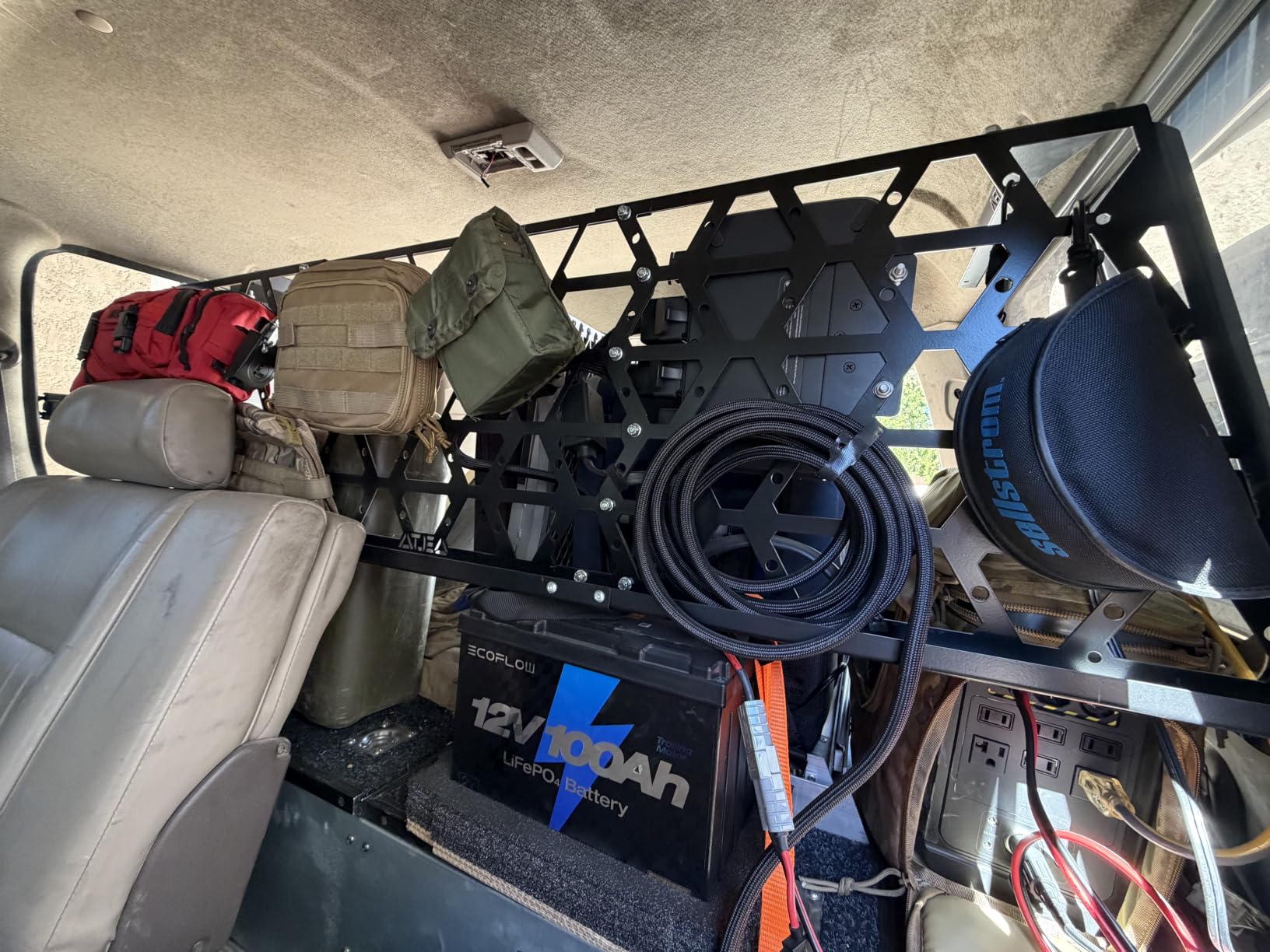
The built-in battery management system monitoring voltage, current and temperature is the kind of detail that matters for a unit you may leave plugged in for months between uses. It is also the reason this unit works quietly enough to sit in a living room rather than a garage, which changes how many people will actually keep it maintained. No fumes, no noise, no maintenance, as the manufacturer puts it, is accurate for an indoor installation.
Owners of this 2kWh step-up cite fast charging, quiet operation and enough headroom to run a refrigerator plus household electronics through an outage. The main critique is physical size relative to competing 2,000Wh units, and that is fair: at 12.2 by 9.7 by 20 inches and 50.7 pounds, you are buying floor space or a dedicated closet.
When a freezer forces the jump to 2kWh
A refrigerator alone runs roughly 700 to 1,200 watt-hours a day depending on ambient temperature and how often you open the door. A freezer in the same kitchen pushes the household total to roughly 1,500 to 2,000 watt-hours per day, because the compressor there runs more continuously and works against warmer conditions. Once you are at 1,500 watt-hours a day, a 1,024Wh unit is finishing roughly two thirds of a day and then waiting for a recharge, which is a poor place to be at hour 22 of an outage. This is the unit where that math finally resolves.
Check the height before you buy
The 20 inch form factor is the single most common complaint, and it is entirely about where the unit lives. A standard closet shelf or an under-counter cabinet that would swallow a 1,000Wh unit will not clear it, so measure the cabinet height first and plan on a floor position, a utility room, or a garage shelf with clearance. The flip side is that the expansion path and 15 outlet count are worth planning around, since the alternative is outgrowing a smaller unit and replacing it entirely.
7. BLUETTI Elite 200 V2 – the longest battery lifespan in this roundup
BLUETTI Elite 200 V2 Portable Power Station 2073.6Wh 2600W Solar Generator
2073.6Wh LiFePO4
2600W AC output
3900W lifting
53.4 pounds
under 15ms UPS
Pros
- 2073.6Wh capacity with 2600W continuous output and 3900W power lifting
- Rated for over 6000 cycles which works out to roughly a 17 year lifespan
- Only about 10W standby draw among the lowest in its class which extends runtime on light loads
- 0-80 percent in about 50 minutes on dual charging and full in 2 hours with a 1200W alternator charger
- Turbo Standard and Silent charging modes selectable in the app
- Silent mode at 16-30dB
- Bluetooth-only app control works without a cloud account or internet connection
Cons
- Heaviest in the roundup at about 53.4 pounds so it is semi-stationary
- Not expandable with BLUETTI extra battery modules
- Solar input capped at 60V and 1000W which is hard to reach with portable panels
- No 30A RV hookup and no 5521 DC output ports
The Elite 200 V2 is the most capable 2,000Wh unit here for outage use, and the number that separates it is cycle life. Over 6,000 rated cycles works out to roughly a 17 year lifespan, which is far beyond the 3,000 cycle rating of most competitors in this class. For a battery you are buying as insurance rather than as a camping accessory, that difference decides whether it outlives the appliance it protects.
Capacity is 2073.6Wh with 2600W continuous output and 3900W of power lifting, using CNAS certified automotive grade LFP cells. Compressor start is not a question with this much headroom. Owners report running a refrigerator for 36 hours on a single charge, and that figure is credible precisely because the 10W standby draw leaves more of the rated capacity available for the fridge itself.
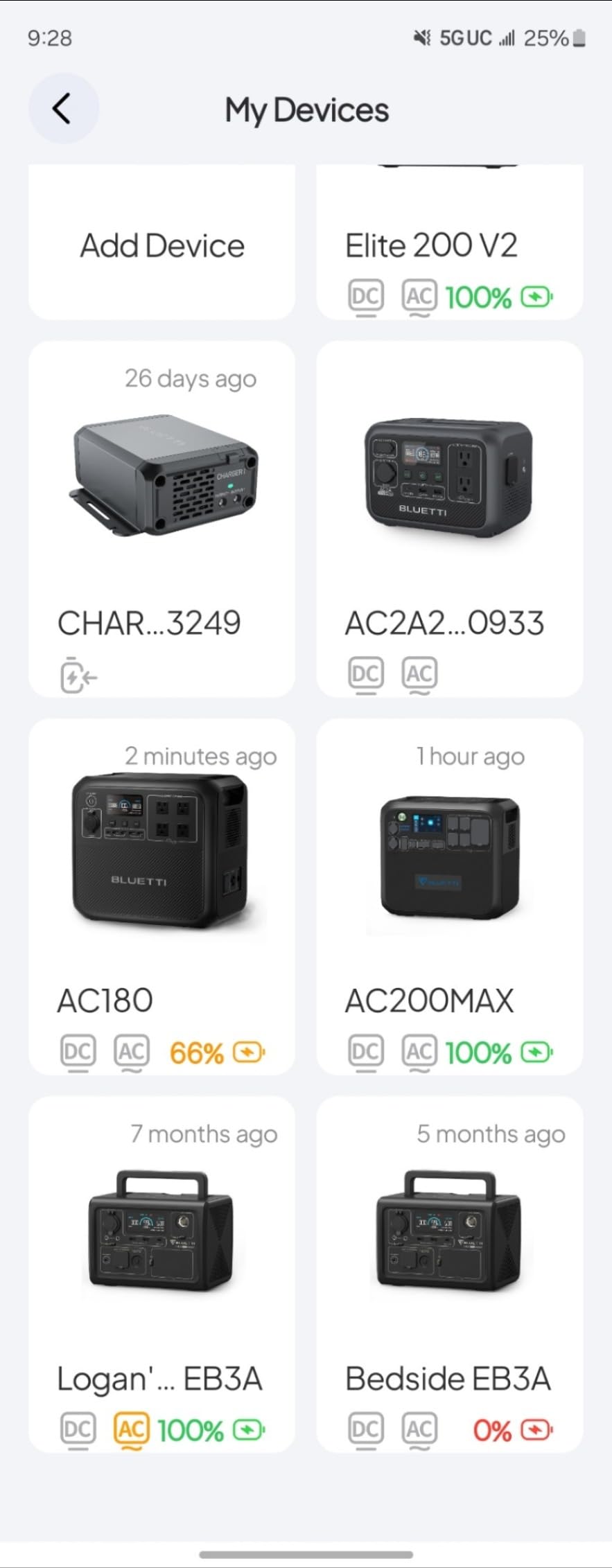
That 10W standby consumption is worth pausing on, because it is the single most underrated spec in this whole roundup. Most units in the 1,000Wh class draw 15-20W with the inverter on, and on a 24 hour refrigerator load that parasitic draw can represent a meaningful slice of your usable capacity. At roughly 10W this unit gives back several extra hours of fridge runtime compared with a competitor that looks identical on the box.
Charging is 0-80 percent in about 50 minutes on dual AC and DC input, with a full charge in two hours using a 1200W alternator charger, and solar input up to 1000W for a 2.4 hour full solar charge under good conditions. Silent mode runs at 16-30dB, the quietest range in this roundup, and the app works over Bluetooth only with no cloud account or internet connection required, which is a genuine advantage if your outage involves losing internet access.
Why low standby draw is the real spec here
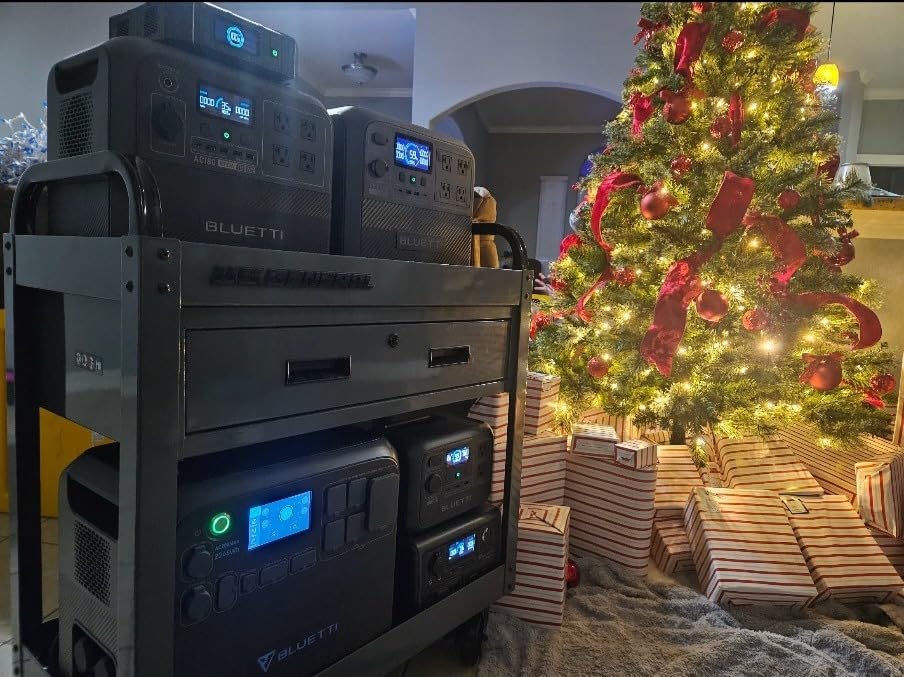
A refrigerator is a low-draw, high-duration load, which is the worst case for parasitic consumption. A unit that quietly pulls 20W while the inverter is on is spending 480 watt-hours a day doing nothing, and on a 1,000Wh battery that is close to a third of your total budget before the fridge draws anything. At roughly 10W this unit halves that overhead, which is why the 36 hour single charge reports hold up against the label in a way that similar capacity units cannot match.
Where the compromises are real
At 53.4 pounds it is the heaviest unit in this roundup and effectively semi-stationary, so plan its location before the outage rather than during it. It is not expandable with BLUETTI extra battery modules, so 2073.6Wh is your ceiling. The 1000W solar input is capped at 60V, which is difficult to reach with typical portable folding panels. There is no 30A RV hookup and no 5521 DC ports, the rubberized buttons feel less definite than the clickier ones on the AC180, and the app frequently reports a disconnected state on open until you refresh it manually.
8. Jackery Explorer 2000 v2 – the lightest 2,000Wh carry weight
Jackery Explorer 2000 v2 Portable Power Station, 2042Wh, 2200W AC Output
2042Wh LFP
2200W AC output across three ports
20ms UPS
UL1778 certified
39.5 pounds
Pros
- Lightest 2kWh option at 39.5 pounds stated as 41 percent lighter and 34 percent smaller than typical 2kWh LiFePO4 units
- 0-80 percent in about 66 minutes and full in 102 minutes in emergency super charging mode
- 2042Wh capacity with 2200W output across three AC ports
- LiFePO4 battery rated for a 10 year service life
- Silent charging mode at under 30dB with a full charge in 5 hours
- 20ms seamless UPS switching with UL1778 test certification
Cons
- Only three AC outlets despite 2200W of aggregate output
- Solar charging works only with Jackery panels
- Lowest average rating in this roundup with 8 percent one-star reviews
- Some buyers report units failing to power on or issues with power button and menu operation
At 39.5 pounds the Explorer 2000 v2 is the lightest 2,000Wh unit in this roundup by a wide margin, roughly 11 pounds less than the next heaviest 2kWh option, and Jackery states it is 41 percent lighter and 34 percent smaller than typical 2,000Wh LFP units. If your 2kWh requirement comes from a fridge plus a freezer, and you need to move the unit between an upstairs kitchen and a garage during a long event, that weight difference matters.
2042Wh and 2200W of continuous output is enough headroom for a compressor start, and the UL1778 test certification on the 20ms UPS switching is a genuine mark of quality for a device whose whole job is transferring power without a glitch. The LiFePO4 battery carries a 10 year service life rating, and silent charging mode runs under 30dB with a full charge in five hours, which is a sensible overnight pace when the grid is still unreliable.
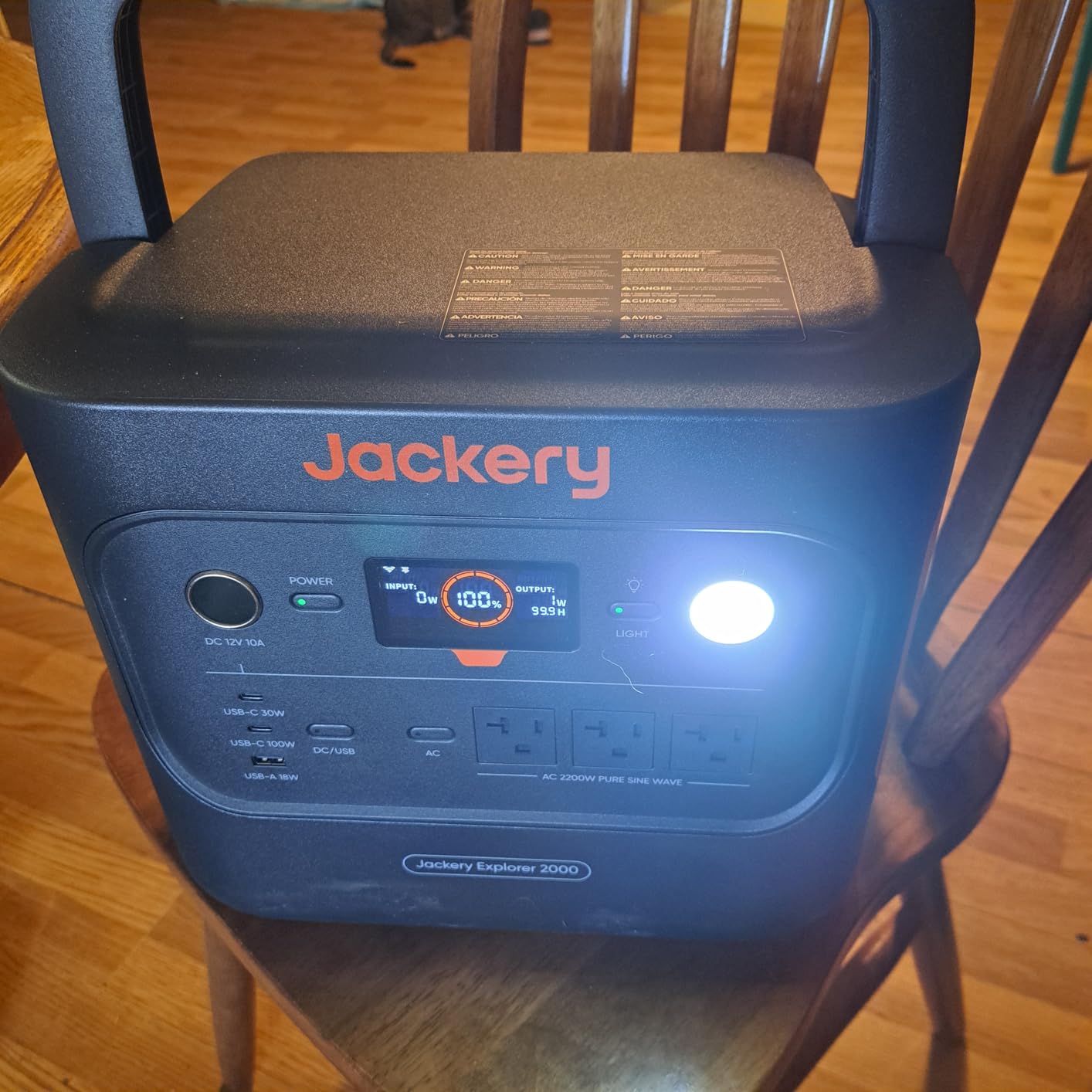
Charging runs zero to 80 percent in about 66 minutes on AC fast charging, or a full charge in 102 minutes in emergency super charging mode, and solar can bring it up in as little as 6 hours with 400W panels. The 100W USB-C PD port means phones and laptops charge without an adapter, and the cell to body construction keeps the chassis rigid without a separate frame.
This unit also carries the lowest average rating in the roundup at 4.4 with 8 percent one-star reviews, and I would rather say so plainly than round it away. The pattern in those reviews is not about fridge performance. It is about power button and menu behavior and a small number of units arriving unable to power on, which is a manufacturing consistency issue rather than a capability one, but it is a real consideration when this is insurance you hope never to use.
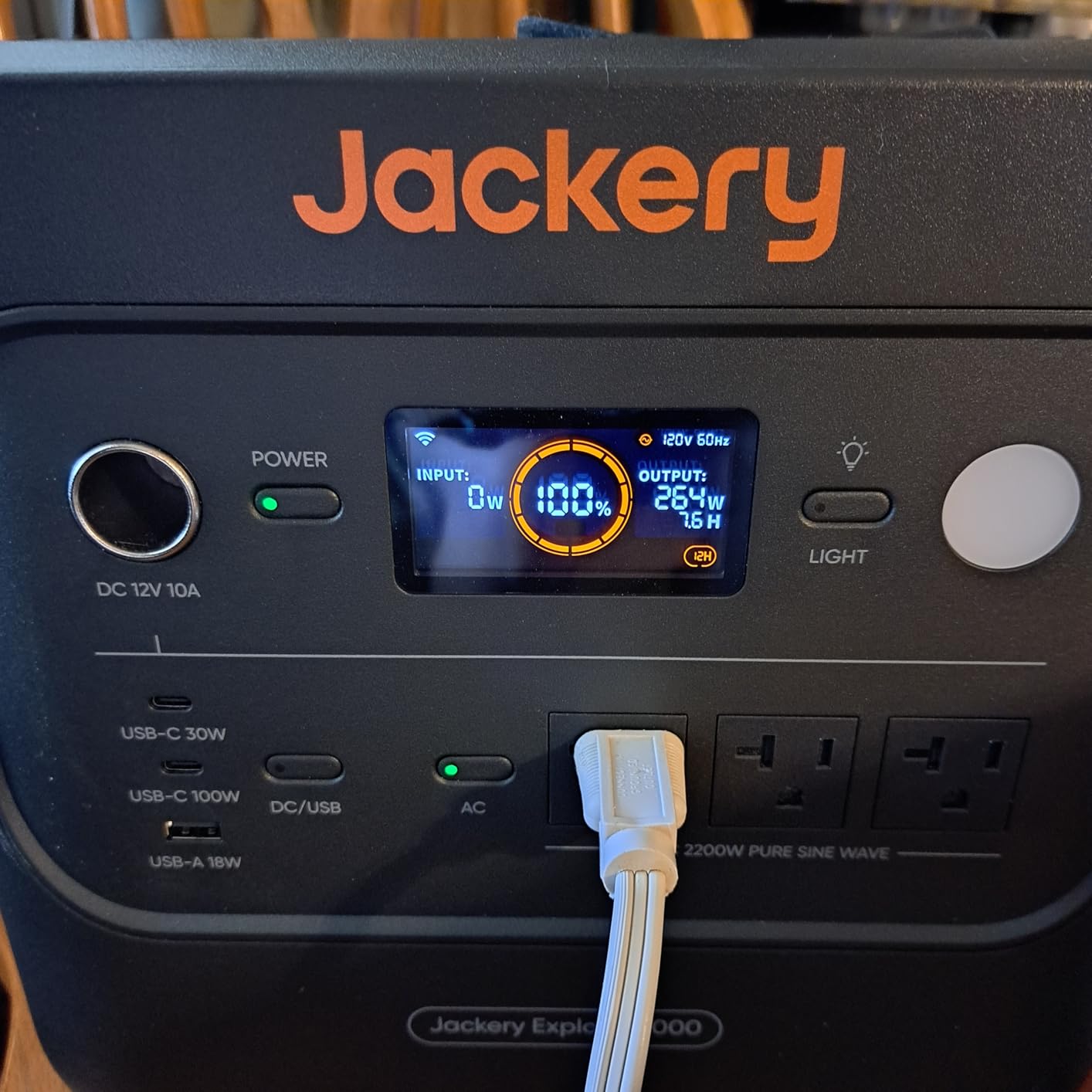
How this compares on the compressor start test
2200W continuous with three AC outlets is more than a refrigerator compressor needs, and the 20ms transfer keeps connected electronics running through a switchover. Where this unit is tighter than its 2,000Wh competitors is the outlet count. Three AC ports for 2200W of aggregate output is a poor ratio, and a fridge plus a freezer plus a router exceeds it. You will need to choose which loads sit on AC and run anything else from USB or the car port.
Where the brand lock and the critical reviews come from
As with the smaller Jackery in this roundup, solar charging is compatible only with Jackery panels, so if you are assembling a system from mixed brands this is the wrong panel partner. The concentration of one-star reviews around power button and menu operation is the reason this unit sits below the others on rating, and it is worth a careful function check the day it arrives rather than assuming the unit is ready for an emergency. Keep the original packaging until you have confirmed every outlet and mode works.
9. EF ECOFLOW DELTA Pro – the multi-day outage survivor
EF ECOFLOW Portable Power Station 3600Wh DELTA Pro, 120V 3600W AC Output
3600Wh LFP expandable to 25kWh
3600W AC output
4500W with X-Boost
99 pounds
15 outputs
Pros
- 3600Wh LFP capacity expandable to 25kWh with extra batteries or smart generators
- 3600W AC output up to 4500W with X-Boost and 7200W when two units are paired
- 15 output methods including 5 AC outlets 100W USB-C USB-A and a car port
- Full recharge in 1.8 hours on a 240V outlet and 2.7 hours on an 1800W wall outlet
- Five charging options including EV station solar wall smart generator and car outlet
- Owners report running a refrigerator furnace blowers internet and lights for about 15 hours per cycle
Cons
- 99 pounds so the extendable handle and a second person are effectively required
- Solar input limited to about 15A which caps the practical array size
- Arrived noticeably depleted and tripped a breaker on first charge for one buyer
- A few buyers reported error codes and overload behavior that support could not resolve
The DELTA Pro is the outage survival pick of this group, and its logic is capacity that can grow. 3600Wh of LFP storage expands to 25kWh with extra batteries or smart generators, which is the only path in this roundup toward running a meaningful portion of a house rather than a single circuit. For someone in an ice storm zone, a wildfire shutoff region, or anywhere where grid restoration is measured in days rather than hours, that headroom changes the character of the problem.
Output is 3600W continuous, 4500W with X-Boost and 7200W when two units are paired, across fifteen output methods including five AC outlets, 100W USB-C ports, USB-A and a car port. A refrigerator is comfortably inside that, and so is a refrigerator plus furnace blowers, internet and lights, which owners report running for about 15 hours per charge cycle. Keeping the furnace blower alive matters in winter for reasons well beyond food, since a cold house with a failed boiler is a pipe risk.
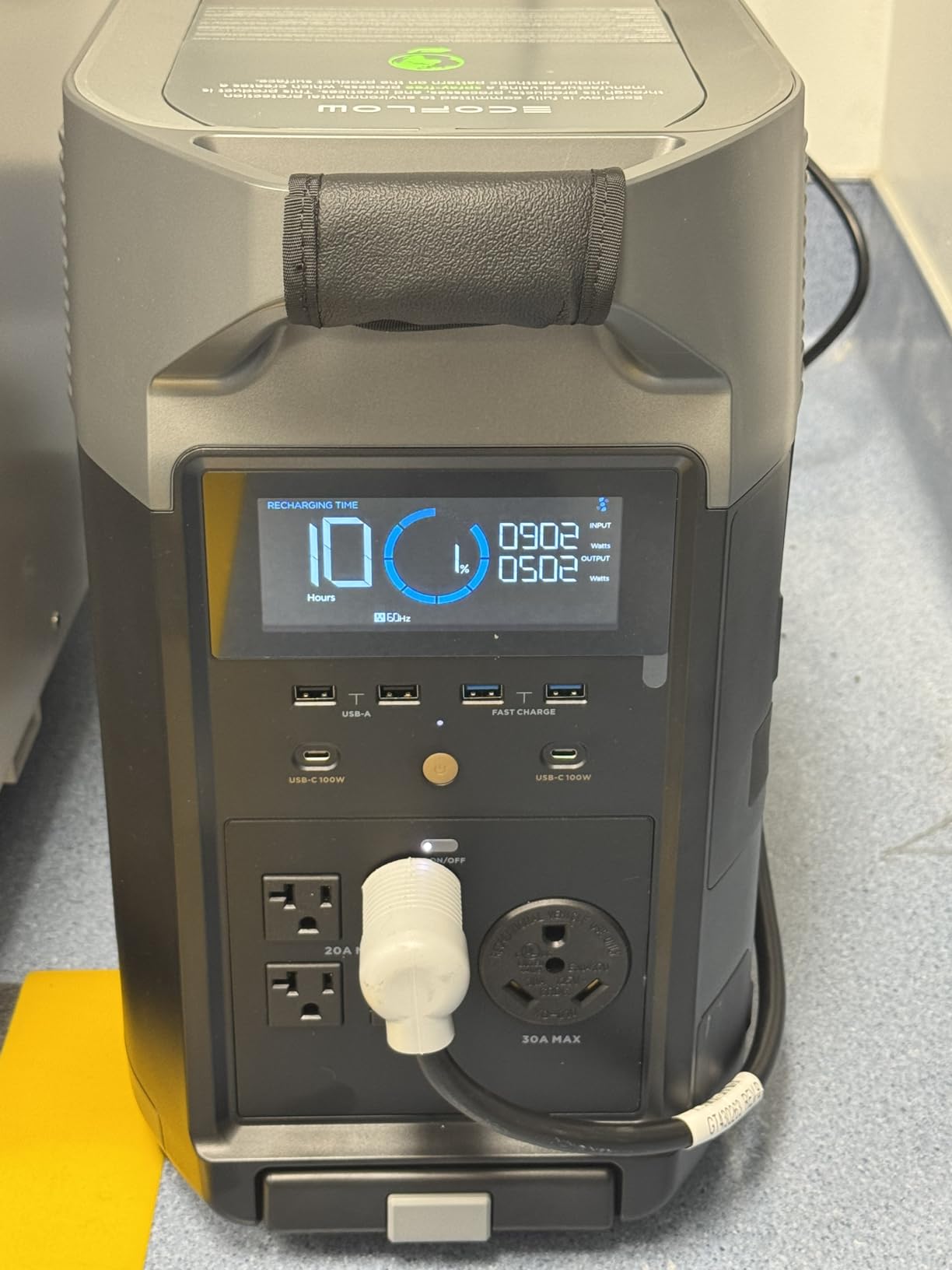
Charging is the other reason this unit works in a real outage. A full recharge in 1.8 hours on a 240V outlet or 2.7 hours on an 1800W wall outlet means a unit that emptied overnight is usable again before most people leave the house. There are five charging paths including EV station charging, and solar can bring it up in about 2.8 hours with four 400W panels at up to 23 percent conversion efficiency. The app works over WiFi or Bluetooth.
The scale of this unit is the whole trade. At 99 pounds and 25 by 11.2 by 16.4 inches, it is a piece of equipment rather than a product, and the extendable handle means you should plan on a second person for any move. It is also not a device you pull out when the power flickers. This is the unit you install, commission and leave.
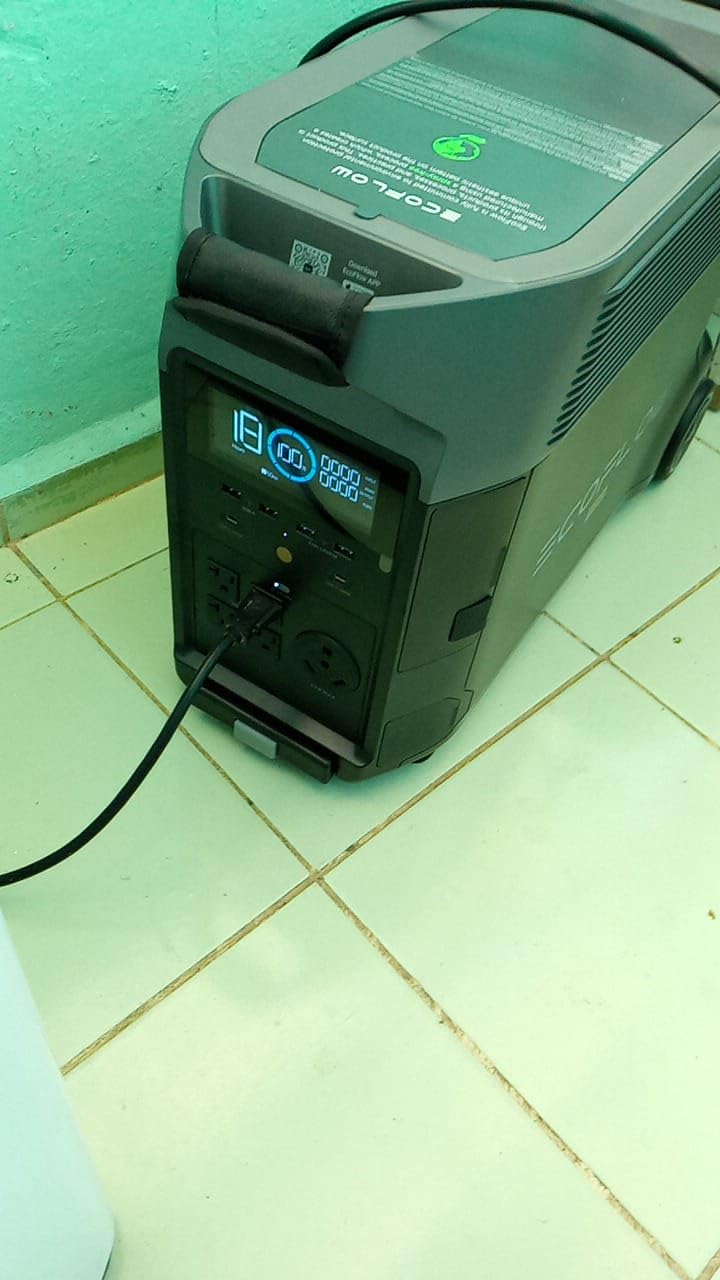
What the 15 hour per cycle claim actually covers
That figure comes from owners running a refrigerator plus furnace blowers, internet and lights simultaneously, not a refrigerator alone. A fridge on this unit alone would last considerably longer, and the two numbers should not be conflated. The useful reading is that a whole critical-loads bundle fits inside a single cycle with room for recovery, which is what makes a fast 1.8 hour recharge the difference between a system that carries a household through a week and one that does not.
Where the 99 pound reality sets in
Two people are effectively required to move this unit, so decide its position during installation and treat it as fixed afterward. Solar input is limited to about 15A, which caps how large a practical array you can attach, so plan a modest solar supplement rather than an ambitious one. A few buyers also reported arriving units that were depleted or tripped a breaker on first charge, and some encountered error codes and overload behavior support could not resolve, so a full function test after delivery is worth the hour.
10. CyberPower CP1500PFCLCD – budget pick for protecting electronics, not the fridge
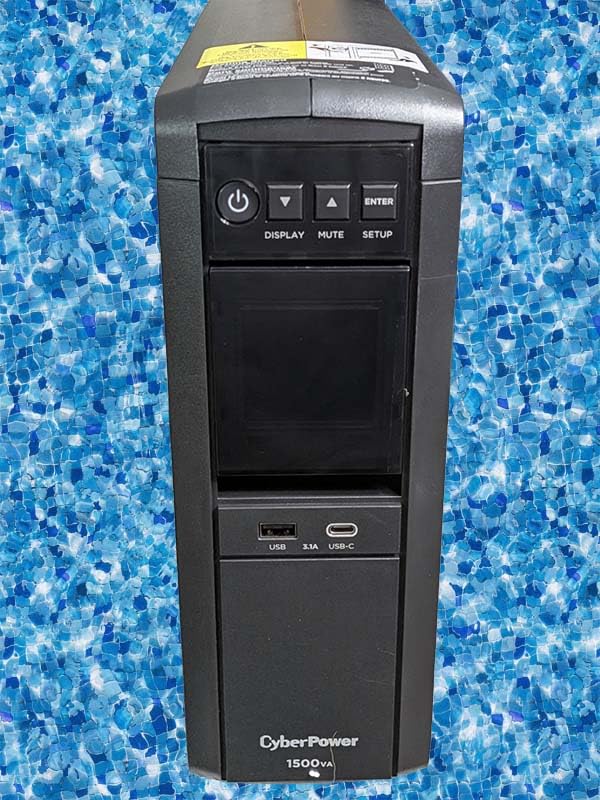
CyberPower CP1500PFCLCD PFC Sinewave UPS Battery Backup and Surge Protector, 1500VA/1000W, 12 Outlets, AVR, Mini Tower, UL Certified
1500VA / 1000W pure sine wave
12 NEMA outlets
AVR voltage regulation
UL safety certified
Pros
- Pure sine wave output resolves the random shutdowns caused by active PFC power supplies
- AVR corrects minor voltage fluctuations without dropping to battery
- 12 outlets total which is more than competing units in the same class
- Color LCD shows real-time watt draw and load capacity in use
- Works out of the box with no setup or wiring
- A three year warranty includes the battery
Cons
- Intended for computers network gear and telecom equipment not for running a refrigerator
- Roughly 20-30 minutes of real runtime on a heavy desktop load
- Internal battery charging circuit is a known weak point
- No external 12V terminal for adding extra battery capacity
- Alarm is loud enough to wake a household at night
I am including this unit because it is the most reviewed product in this roundup by a wide margin, and omitting it would misrepresent what people are actually buying. With over 11,000 reviews and a top category position among computer uninterruptible power supply units, the CyberPower CP1500PFCLCD is what most households reach for when the grid wobbles.
It is a fine piece of hardware for what it was built to do. The pure sine wave output resolves the random shutdowns that active PFC power supplies experience on cheaper modified sine wave units, automatic voltage regulation corrects minor fluctuations without dropping to battery at all, and 12 NEMA outlets split six battery backed and six surge protected give you room to protect a desktop, a router, a network switch and a monitor. It is UL safety certified, includes a three year warranty that covers the battery, and comes with PowerPanel management software.
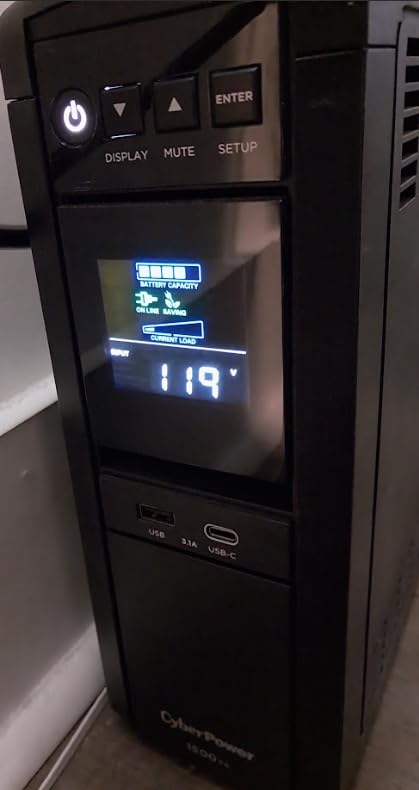
What it is not built for is a refrigerator. The 1500VA / 1000W rating refers to continuous wattage, and a compressor start can demand a multiple of the fridge’s running draw in a single second. Reviewers are consistent on this point, and the same reviews describe runtime of roughly 20-30 minutes on a heavy desktop load, well short of the headline claim. Even in the most favorable accounts of a fridge on a UPS in this class, you are talking hours, not a day, and the internal battery charging circuit is a known weak point on units that have run for years.
There is no external 12V terminal for adding capacity, so the runtime ceiling is fixed at whatever the two internal 12V batteries provide. The alarm is loud enough to wake a household at night, which matters more than it sounds when a sleeping adult is supposed to be relying on the fridge staying cold, and the LCD display shuts off after about 90 seconds unless someone interacts with it.
What to use it for alongside a fridge backup
Use it for the electronics and the fridge backup for the appliance. A router, a network switch, a home office desktop and a monitor are all loads this unit handles well, and a brief grid wobble that would restart a desktop mid task is exactly the failure this class eliminates. Pairing it with one of the 1,000Wh power stations in this roundup means the fridge survives a full day on the larger unit while the network equipment rides through every flicker on the UPS.
Why it is not a fridge backup in any honest sense
Compressor start, fixed capacity, and no expansion path together disqualify it, and the review data is blunt about runtime being far shorter than the claims. The pure sine wave output is a genuine advantage and it does protect a fridge for a short window, but treating that window as outage coverage is a mistake people make and then regret. If your budget only stretches this far, our honest advice is to buy the smaller power station instead of stretching this one beyond its design.
How Big a Battery Backup Do You Need for a Refrigerator?
You need roughly 1,000 watt-hours of usable capacity to keep a refrigerator alone running for a full day, and 2,000 watt-hours if a freezer is running in the same kitchen. Anything less than about 700 watt-hours covers an overnight outage and a morning recharge, but not a full day. Multiply that baseline by the number of days you want covered, then add a margin for inverter losses and cold weather, because both cut into what you actually get.
That single sentence is the answer to the sizing question most people ask, and everything below is the reasoning behind it. The most common sizing mistake is not buying too small. It is buying a unit that looks adequate on a spec sheet, then discovering at hour 30 that the fridge consumed more than the arithmetic assumed because the kitchen was warm, the door was opened constantly, or the unit itself was drawing 20W the whole time.
Worked watt-hour math for your actual scenario
Watt-hours per day is the honest unit of measure here, not watts. Watts tell you how hard a device can push at one moment, which matters for the compressor start, but watt-hours tell you how long the battery lasts, which is what you are actually buying. A refrigerator’s daily consumption is a function of ambient temperature, door openings, frost buildup and the condition of the compressor, so treat any single number as an estimate with a wide band around it.
The three scenarios below cover almost every household we looked at. Note that the daily figures are for the appliance loads only, and a portable power station spends additional energy on its own inverter, which typically runs 10-20W continuously when powered up.
Refrigerator only, one day: 700 to 1,200 watt-hours per day. A 1,000Wh unit with about 85 to 90 percent usable capacity covers this comfortably if you can recharge from wall or solar once during the day.
Refrigerator plus freezer, one day: 1,500 to 2,000 watt-hours per day. This is where the 1,000Wh class stops working, and a 2,000Wh unit becomes the minimum sensible purchase.
Refrigerator plus critical loads, one day: 3,000 watt-hours and up. Add a router, a home office, medical refrigeration or lights, and this is the range where a 3,600Wh unit with expansion starts to make sense.
Two to three day event: Double or triple the daily figure. Preppers on Reddit put it plainly, often saying that if your goal is blackout protection you probably undersized your battery, and multi-day events do require two to three times the daily watt-hours because there is no opportunity to recharge during the grid outage itself.
One framework worth naming, because the sizing conversation is full of confident numbers: the SERP consensus, from aggregators and manufacturer materials alike, converges on roughly 2,000Wh as the minimum for a full 24 hour outage. That matches the math above for a fridge plus freezer, and it is why every 2,000Wh unit in this roundup is a serious candidate rather than a luxury.
Freezer versus refrigerator: the gap most guides skip
A freezer pulls roughly two to three times the daily watt-hours of a refrigerator alone, and the reason is physical rather than electronic. A fridge’s insulated door and its thermal mass let it coast for hours between compressor cycles, so the duty cycle stays low. A freezer, especially a chest or garage model sitting in a warm garage, runs its compressor far more continuously, and it has no recovery margin when a door is opened.
This matters for sizing because most guides conflate the two appliances. If you are protecting a fridge freezer combination, a single-side-by-side unit, or a freezer in an unheated garage, size for the freezer figure of 1,500 to 2,000 watt-hours per day rather than the refrigerator figure. Under-sizing here is the single most common reason a backup that was supposed to last two days quietly dies overnight.
There is a piece of advice that circulates in prepper forums about moving the refrigerator into the freezer compartment during an outage, on the theory that the tighter space holds its cold better. We are not recommending it. A refrigerator compressor is not designed to run continuously, the frost load in a freezer compartment is far higher on the coils, and you would be destroying the appliance you are trying to save in order to extend it a few hours. If you need to bridge a gap, keep the door closed, keep the room dark and cool, and recharge the battery.
Compressor startup surge: the filter most roundups skip
A refrigerator compressor draws a multiple of its running wattage for roughly one second when it restarts, and this spike is the reason some backups fail while others shrug it off. The failure mode is consistent across owner reports: the unit holds the fridge for a few hours, clicks off exactly when the compressor cycles back on, and does it again on a loop. A backup that cannot absorb a compressor start is not a backup, it is a timer.
How to filter for it, in order. First, check continuous output against the fridge’s running draw and give yourself a wide margin, because manufacturers rarely publish a fridge’s startup figure and you are estimating. Second, check the surge or power lifting rating and treat it as the real number that matters. Third, look for a published UPS transfer time under 20ms, since a slow transfer is what lets the compressor sit unpowered at exactly the moment it tries to restart. Every unit recommended in this roundup clears all three tests with margin, and every one has a surge rating well above the 1500W to 3000W range where a typical refrigerator compressor sits at startup.
Pure sine wave output is the related electrical concern. Modern refrigerator control boards and variable speed compressors react poorly to modified sine wave power, and the result is humming, erratic cycling or a control board failure. Every power station in this roundup is a pure sine wave inverter, and the budget UPS in this roundup also produces pure sine wave output, which is a genuine reason to consider it for the electronics on the same circuit.
Which class of backup you actually need
There are three distinct classes, and most confusion comes from comparing them as if they were interchangeable.
UPS class: Protects electronics through short outages and voltage wobble. Sub-second to a few hours of runtime, no expansion, and not designed for compressor loads. The CyberPower in this roundup is the archetype, and it earns its place beside a power station rather than instead of one.
Portable power station class, 1,000Wh: A refrigerator alone for roughly a day, plus networking gear. This is the sweet spot for most households and the reason five of the ten units here sit in this range.
2,000Wh class: A refrigerator plus a freezer for a full day, or a refrigerator plus lights and a router for two days. Expansion is the deciding feature, and only some units in this range support it.
Expandable home battery class, 3,600Wh and up: Multiple days, whole critical loads, and the option to add capacity or pair units. This is installed equipment, not a product you carry, and it is the right answer for wildfire shutoff and ice storm regions.
If you rent, cannot store fuel, and have no generator access, a portable power station is the complete answer. You need one outlet and nothing else. Our related guide to home battery backup systems covers the installed tier in more detail for households that can wire in a transfer switch.
Cold weather derating and where to put the unit
Lithium battery capacity drops when the cells get cold, and the loss in winter conditions commonly lands in the 20 to 30 percent range. That is not a defect, it is chemistry, and it means the fridge runtime you calculated in July is optimistic in January. Two practical responses: size with a winter margin, and keep the unit indoors in a heated space rather than in a cold garage.
Placement also matters for the fridge itself. A refrigerator works harder in a hot room, so put the unit in a space that is not the hottest part of the house, and keep the fridge away from any heat source the backup is also powering. Forum users who survived extended winter outages repeatedly point to the same lesson: the battery that was in the unheated mudroom performed worst, while the one in the hallway performed fine. If you must use a garage or basement, an insulated enclosure or a cabinet away from exterior walls makes a real difference.
One more derating number worth internalizing: real usable capacity runs between 47 and 98 percent of nameplate across the brands in this category, depending on the load. Independent testing reported by Outdoor Tech Lab found BLUETTI units at 47 percent efficiency on very low wattage loads, while other units in this roundup have reported usable capacity near 98 percent. On a refrigerator, which is exactly the low wattage high duration case, treat the label number as a ceiling and plan around something meaningfully below it.
Solar recharging: the reality versus the rating
Solar is the only way to extend a battery outage past a day without driving somewhere with a working outlet, and it is also the spec most often oversold. Panel output in real conditions including clouds, angle, heat and shading routinely lands at 40 to 60 percent of rated wattage, so a 400W panel on an overcast January day may contribute a small fraction of what the label implies. Size solar for a recovery scenario, not a best case.
For a refrigerator running 1,000 watt-hours a day, recovering with solar alone requires roughly 2,000 to 2,500 watts of real panel output, which means multiple folding panels rather than one. Prefer MPPT charge controllers, check the unit’s maximum solar input voltage carefully before connecting panels, and note that some units in this roundup cap solar input low enough that portable panels cannot reach the full rating. The Delta 3 Classic, for example, does not effectively use solar input under roughly 50W, and the Elite 200 V2 caps solar input at 60V and 1000W.
AC recharge is usually the faster and more reliable path when a wall outlet is available, and most units here refill from zero to 80 percent in 43 to 66 minutes. Where a unit supports pass-through charging, running the fridge from the unit while it recharges is the ideal pattern, and it is the reason we weighted recharge speed heavily in these rankings.
Keeping the battery healthy between outages
A fridge backup spends most of its life plugged in and idle, so the maintenance habits that matter are about storage, not use. Store the unit between about 50 and 80 percent charge rather than sitting at full or empty indefinitely, and top it up monthly if you have not used it. Check the terminals and the casing for corrosion or swelling a few times a year, particularly if it lives in a damp basement or garage.
Keep the firmware current through the manufacturer app before you need it, because several units here ship with older firmware that limits charging performance. Run a full function test annually, under a real load rather than an idle check, because a battery that has sat unused for a year can hold voltage while no longer delivering its rated capacity. If you keep an expansion battery, store and charge it on the same schedule rather than treating it as a spare that never needs attention.
Our other battery-powered gear guides cover the same chemistry questions for different tools, including our picks for the best battery backpack leaf blowers, where runtime claims behave similarly but the surge profile does not.
Frequently Asked Questions
What is the best portable battery backup for a refrigerator?
The Jackery Explorer 1000 v2 is our top pick for most households. It has 1070Wh of LiFePO4 capacity, 1500W continuous output, 3000W surge headroom for a compressor start, and it weighs only 23.8 pounds. For a fridge plus a freezer, step up to a 2,000Wh unit such as the EF ECOFLOW DELTA 2 Max, which also expands to 6kWh.
How big of a battery backup do I need to run a refrigerator?
About 1,000 watt-hours of usable capacity covers a refrigerator alone for a full day, and roughly 2,000 watt-hours covers a refrigerator plus a freezer. Most units only deliver 85 to 90 percent of their rated capacity in practice, so treat the label figure as a ceiling. Multiply your daily need by the number of days you want covered.
Can a portable power station run a refrigerator?
Yes, as long as two conditions are met. The continuous output must comfortably exceed the fridge’s running draw, and the surge or power lifting rating must clear the compressor startup spike, which is roughly three times running watts for about a second. Every power station in this roundup meets both conditions with wide margin.
What is the best portable battery for a fridge freezer?
A 2,000Wh unit is the right starting point, because a freezer runs roughly two to three times the daily watt-hours of a refrigerator alone. The EF ECOFLOW DELTA 2 Max at 2048Wh and 2400W output is our pick, and it expands to 6kWh with two extra batteries if you need fridge plus freezer plus other loads.
How long will a 2000 watt power station run a refrigerator?
A 2,000 watt figure describes power, not duration. A 2048Wh unit such as the EF ECOFLOW DELTA 2 Max holds roughly 1,750 to 1,850 watt-hours usable after inverter losses, which covers a refrigerator alone for roughly a day and a half to two days. A fridge plus freezer lands closer to a full day.
Will a portable power station run a refrigerator overnight?
Overwhelmingly yes. A 1,000Wh unit with roughly 900 watt-hours usable comfortably covers the 700 to 1,200 watt-hours a refrigerator uses in 24 hours, and an overnight event typically consumes far less than a full day. Add a freezer, or a warm kitchen and frequent door openings, and you are at the limit of what 1,000Wh covers.
What should I do with my refrigerator during a power outage?
Keep the door closed as much as possible, since a modern refrigerator holds its cold temperature for hours in a closed compartment. Keep the room dark and cool, move the unit indoors if it is cold outside, and recharge the backup from a wall outlet or solar as soon as either becomes available. Avoid moving the refrigerator into the freezer compartment, which overloads the compressor coils.
The Verdict: Which Home Battery Backup for Refrigerators Wins in 2026
For a single refrigerator in a typical home, the Jackery Explorer 1000 v2 wins our 2026 roundup. It has the highest rating paired with the second largest review base in the group, 1070Wh of capacity that covers a full day, 3000W of surge headroom for compressor starts, and a 23.8 pound weight that lets one person reposition it. The BLUETTI AC180 is the value alternative with more capacity, more outlets and a larger surge margin.
If a freezer is in the equation, move up a tier. The EF ECOFLOW DELTA 2 Max handles a fridge and freezer for a full day and expands to 6kWh as your needs grow, and the BLUETTI Elite 200 V2 wins on battery lifespan at over 6,000 rated cycles. For outages measured in days rather than hours, the EF ECOFLOW DELTA Pro with 3600Wh and expansion to 25kWh is the honest answer.
Whatever you choose, check three things before the grid fails: continuous output comfortably above your fridge’s running watts, surge or lifting capacity well above the compressor start spike, and usable capacity counted at about 85 percent of the label rather than 100. Set up the firmware, run a test under load, and know where the unit sits. That last step is the one people skip and the one that costs them the most.