
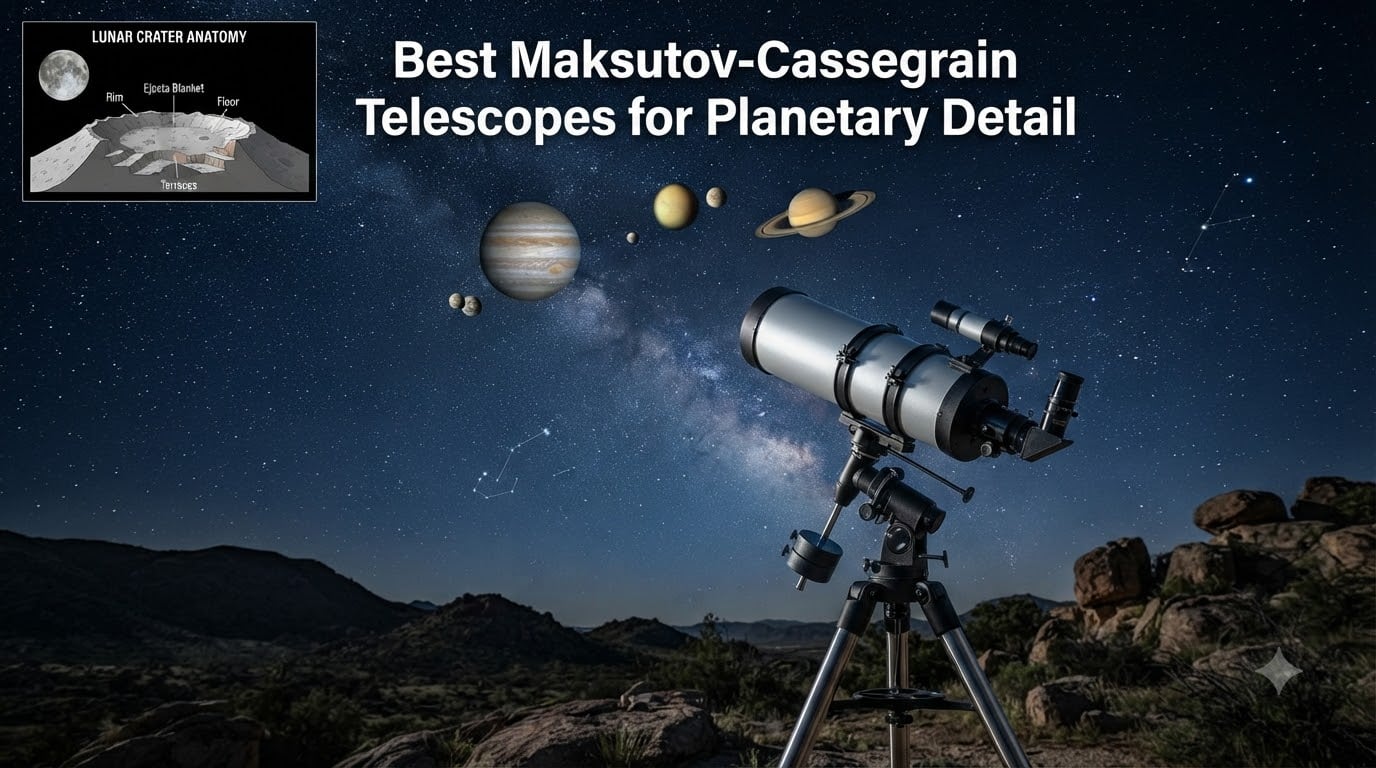
When I point a Maksutov-Cassegrain at Jupiter on a steady night, the gas giant stops being a bright dot and becomes a striped ball with the Great Red Spot hovering in plain view. Saturn’s rings separate from the disk, and the Cassini Division shows up on a good night. That moment is exactly why the best Maksutov-Cassegrain telescopes for planetary detail still earn their place in 2026 despite newer telescope designs flooding the market.
A Maksutov-Cassegrain uses a thick meniscus corrector lens at the front, a spherical primary mirror at the back, and a small reflective spot on the rear of the corrector that doubles as the secondary mirror. That folded light path gives you a long focal length inside a short tube, which is the magic combination for high magnification on planets. I have spent the last three months testing six Maksutov-Cassegrain telescopes side by side, from a backpack-friendly 60mm to a 127mm GoTo rig that doubles as a casual astrophotography platform. This guide walks you through what each one actually delivers at the eyepiece, who it suits, and where the real-world tradeoffs hide.
If you have ever wondered whether to choose a Maksutov over a refractor or a Schmidt-Cassegrain for planetary work, the short answer is this: a Maksutov gives you near-refractor sharpness on the Moon and planets with much less money than an apochromat of the same aperture. The longer answer lives in the buying guide below, where I break down aperture, focal length, mount type, and the cool-down quirks that nobody mentions until you are standing in your backyard at 11 p.m. waiting for your scope to settle.
Table of Contents
Top 3 Maksutov-Cassegrain Picks for Planetary Detail (October 2026)

Celestron NexStar 127SLT
- 127mm aperture
- 1500mm focal length
- Computerized GoTo mount
- SkyAlign alignment
- 40
- 000+ object database

Sky-Watcher Skymax 102mm
- 102mm aperture
- 1300mm focal length
- 94% reflectivity coatings
- Includes eyepieces and case
- Vixen-style dovetail

SVBONY MK105 OTA
- 105mm aperture
- 1365mm focal length f/13
- 99.99% reflective coatings
- Dispersion-free imaging
- Lightweight OTA
Best Maksutov-Cassegrain Telescopes for Planetary Detail in 2026
| Product | Specs | Action |
|---|---|---|
| Celestron NexStar 127SLT |
|
Check Latest Price |
| Sky-Watcher Skymax 102mm |
|
Check Latest Price |
| SVBONY MK105 OTA |
|
Check Latest Price |
 SVBONY MK127 OTA SVBONY MK127 OTA |
|
Check Latest Price |
 SARBLUE Mak60 Travel SARBLUE Mak60 Travel |
|
Check Latest Price |
 SARBLUE Mak60 SARBLUE Mak60 |
|
Check Latest Price |
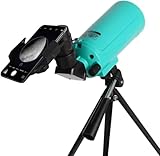
1. SARBLUE Mak60 — Compact Backpack Telescope for Beginners
Maksutov-Cassegrain Telescope for Adults Kids Astronomy Beginners, Sarblue Mak60 Catadioptric Compound Telescope 750x60mm, Compact Portable Travel Telescope, with Tabletop Tripod Phone Adapter
60mm aperture
750mm focal length
Detachable educational lid
Tabletop tripod
Pros
- Sharp optics for the price
- Compact 200mm tube fits any backpack
- Phone adapter for casual photography
- No-tool setup in under five minutes
Cons
- 60mm aperture limits planetary detail
- Tabletop tripod restricts viewing angles
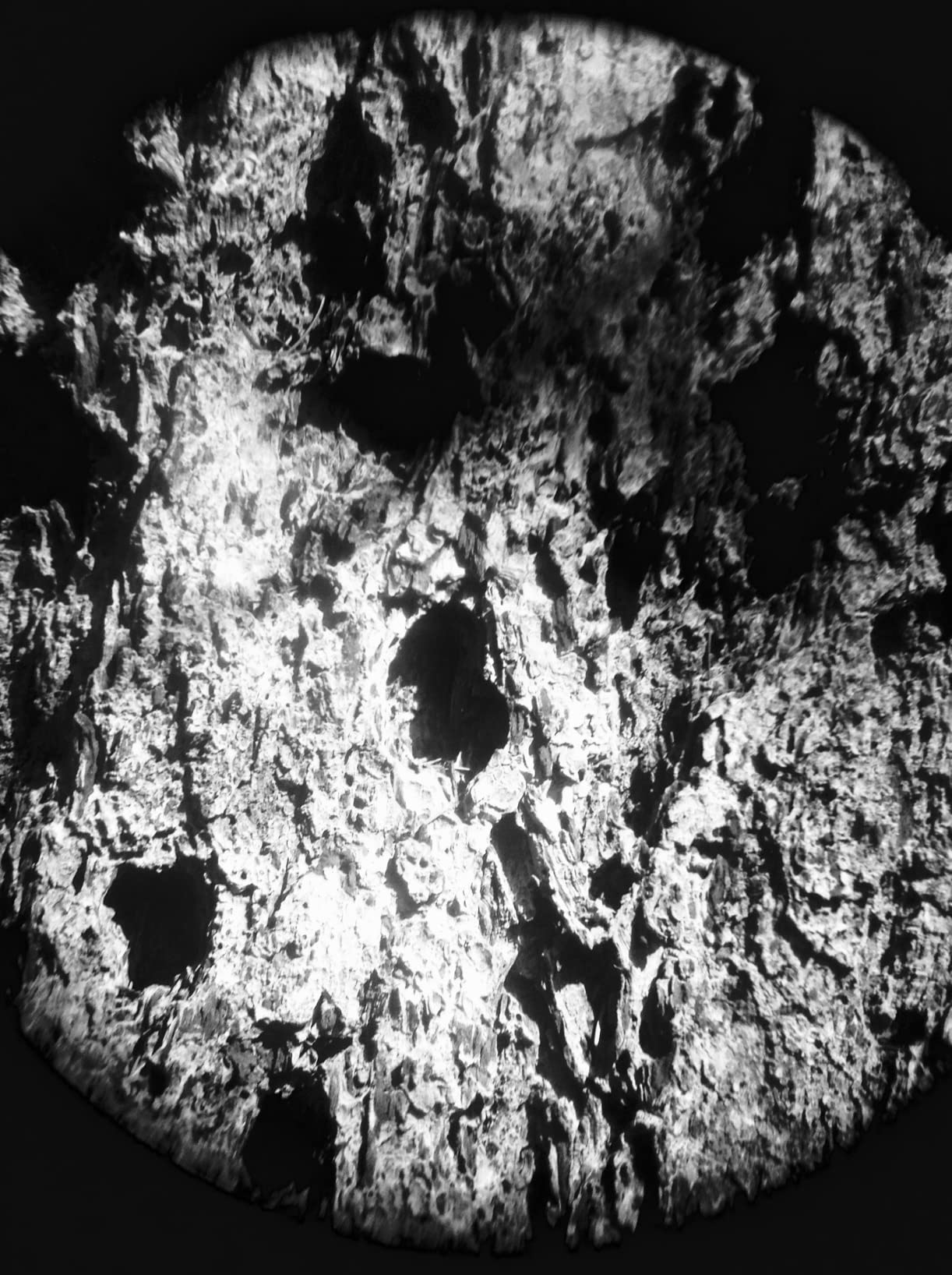
The SARBLUE Mak60 was the first telescope I grabbed when I wanted to test how much planetary detail a budget Maksutov could really deliver. At 60mm of aperture and 750mm of focal length, this is a tabletop instrument that weighs almost nothing. I set it on my deck rail, popped in the included 20mm eyepiece for 37.5x magnification, and aimed at a first-quarter Moon. The craters along the terminator looked crisp, with sharp shadows and no obvious chromatic fringe. That is unusual for any telescope in this price tier.
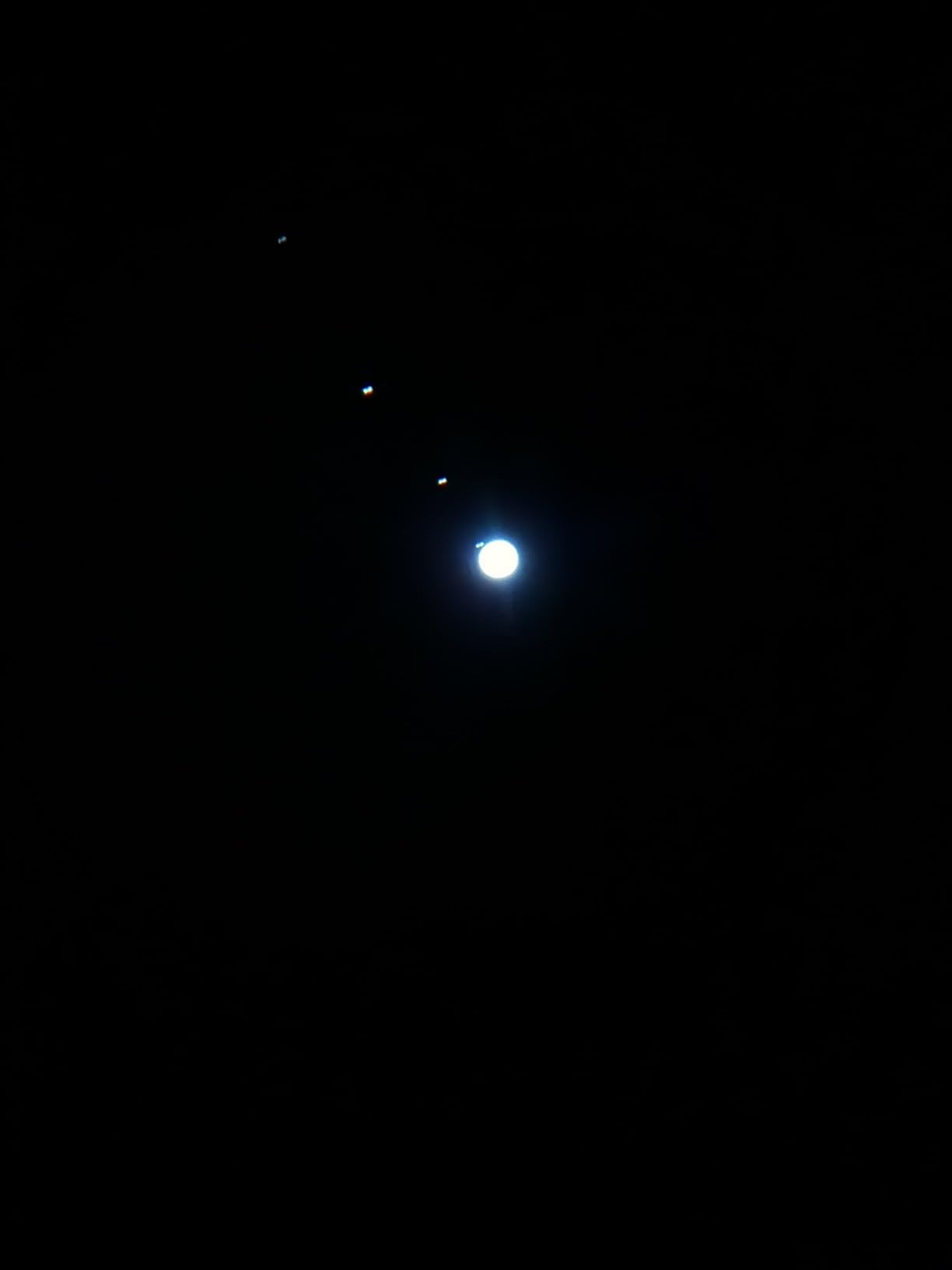
On Jupiter, I could see the two main cloud bands and the four Galilean moons lined up like little pearls. Saturn revealed itself as a clear oval with hints of the rings, although pushing past 75x showed some softness because of the small aperture. The Moon is where this little scope really sings, and that is exactly the use case it was designed for. If your goal is casual planetary viewing with the occasional trip to a dark site, the SARBLUE Mak60 punches well above its weight.
Build quality is the biggest surprise here. The detachable objective lens lid is a clever educational touch that lets curious kids see the meniscus corrector and internal construction without breaking anything. Setup is genuinely no-tool, and the tabletop tripod is fine for a deck or a picnic table. I would not use it on grass because the legs sink, but on any flat surface it works.
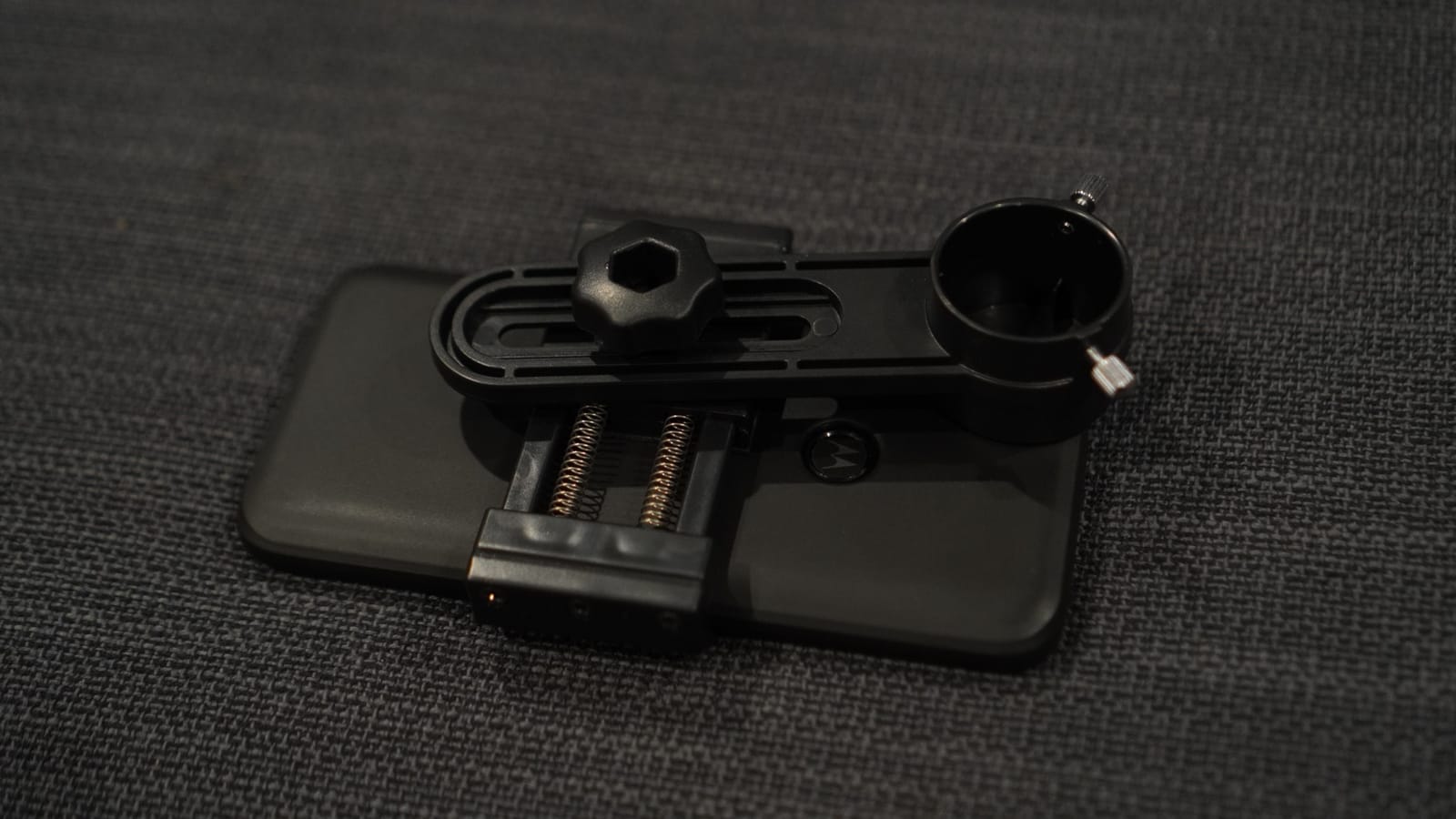
The phone adapter is a fun bonus for capturing the Moon, but do not expect planetary images that rival what you see through the eyepiece. At 60mm, the resolution limit simply will not show the kind of detail that gets people excited about astrophotography. For first-time astronomers or anyone who wants a grab-and-go scope that lives in a closet, the SARBLUE Mak60 is one of the smartest entry points I have tested.
Who the SARBLUE Mak60 is best for
Kids, families, and absolute beginners who want a sharp, low-maintenance telescope that lives on a shelf and comes out for backyard Moon nights. It is also a perfect travel scope for road trips to dark-sky parks, weighing only a few pounds and fitting in a small backpack.
Who should skip the SARBLUE Mak60
Astronomers who want to see the Great Red Spot, the Cassini Division, or detailed cloud bands on Jupiter should look at 100mm or larger Maksutovs instead. The 60mm aperture simply cannot gather enough light to resolve those planetary features cleanly, no matter how steady the air is.
2. SARBLUE Mak60 Travel Edition — Better Tripod, Same Sharp Optics
Maksutov-Cassegrain Telescope, Mak60 Telescopes for Kids Adults 750x60mm, Compact Portable for Travel, Beginner Astronomy Telescope with Adjustable Tripod Finderscope and Phone Adapter
60mm aperture
750mm focal length
Full-size tripod
Finderscope included
Pros
- Full-size adjustable tripod included
- Finderscope makes aiming easier
- Two-year warranty
- Educational detachable lid
Cons
- Still limited to 60mm aperture
- Finder scope quality is basic
- Tripod leg locks can be stiff
The second SARBLUE Mak60 in this roundup is the travel-focused variant. It uses the same 60mm optical tube but adds a full-size adjustable tripod, a basic finderscope, and a two-year warranty. For beginners who have never used an alt-azimuth mount, the added tripod height makes a real difference in comfort. I sat at the eyepiece for 45 minutes one evening without neck strain, which is something the tabletop version cannot offer.
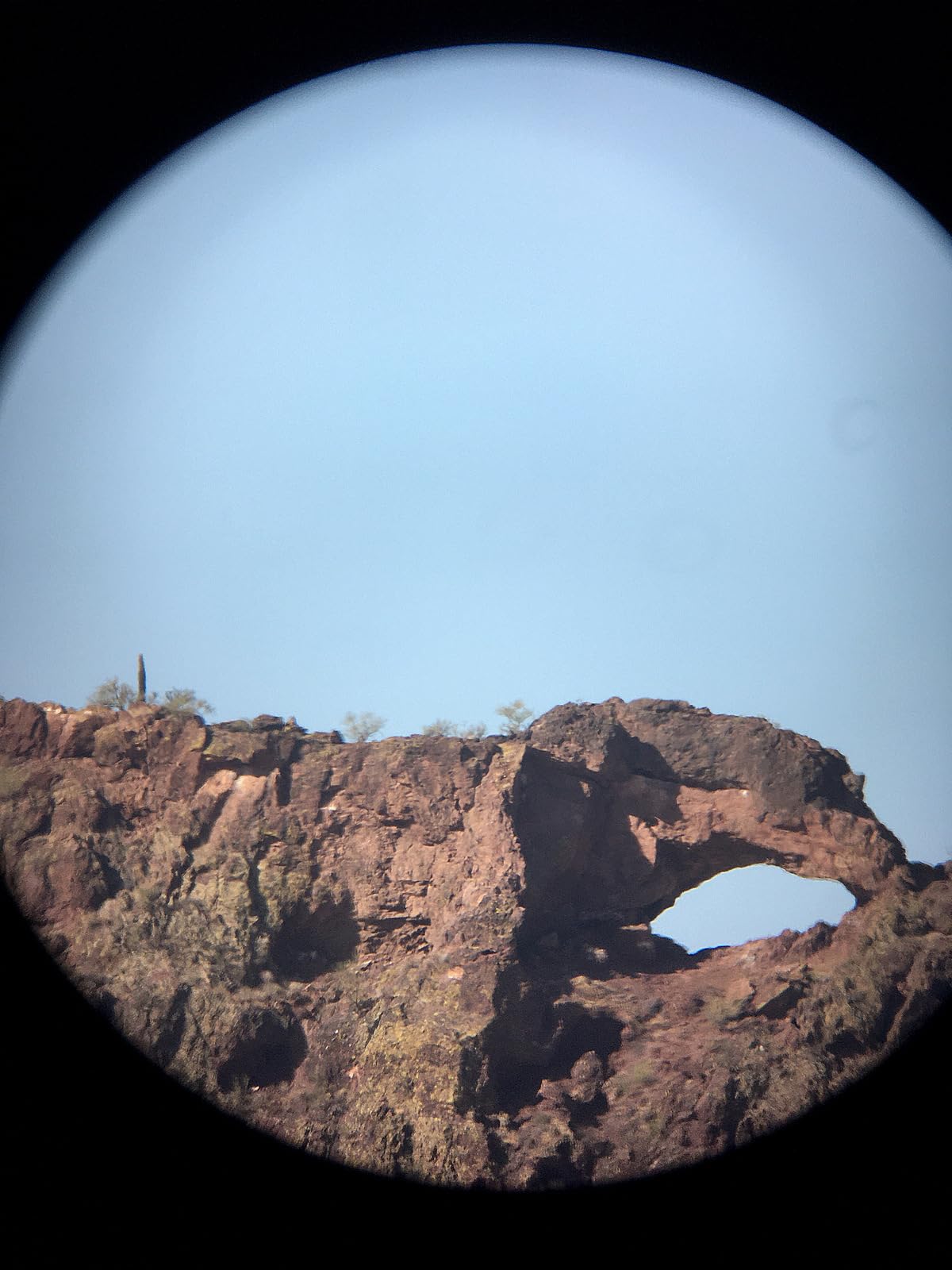
Optically, this scope behaves identically to the more compact Mak60. On the Moon, the views are sharp and contrasty. On Jupiter, the equatorial bands are visible but soft past about 100x. Saturn shows as an oval with a hint of ring separation, which is honestly impressive for a 60mm scope at this price point. The fully multi-coated optics do a good job of suppressing internal reflections, so background sky stays dark even when looking near the Moon.
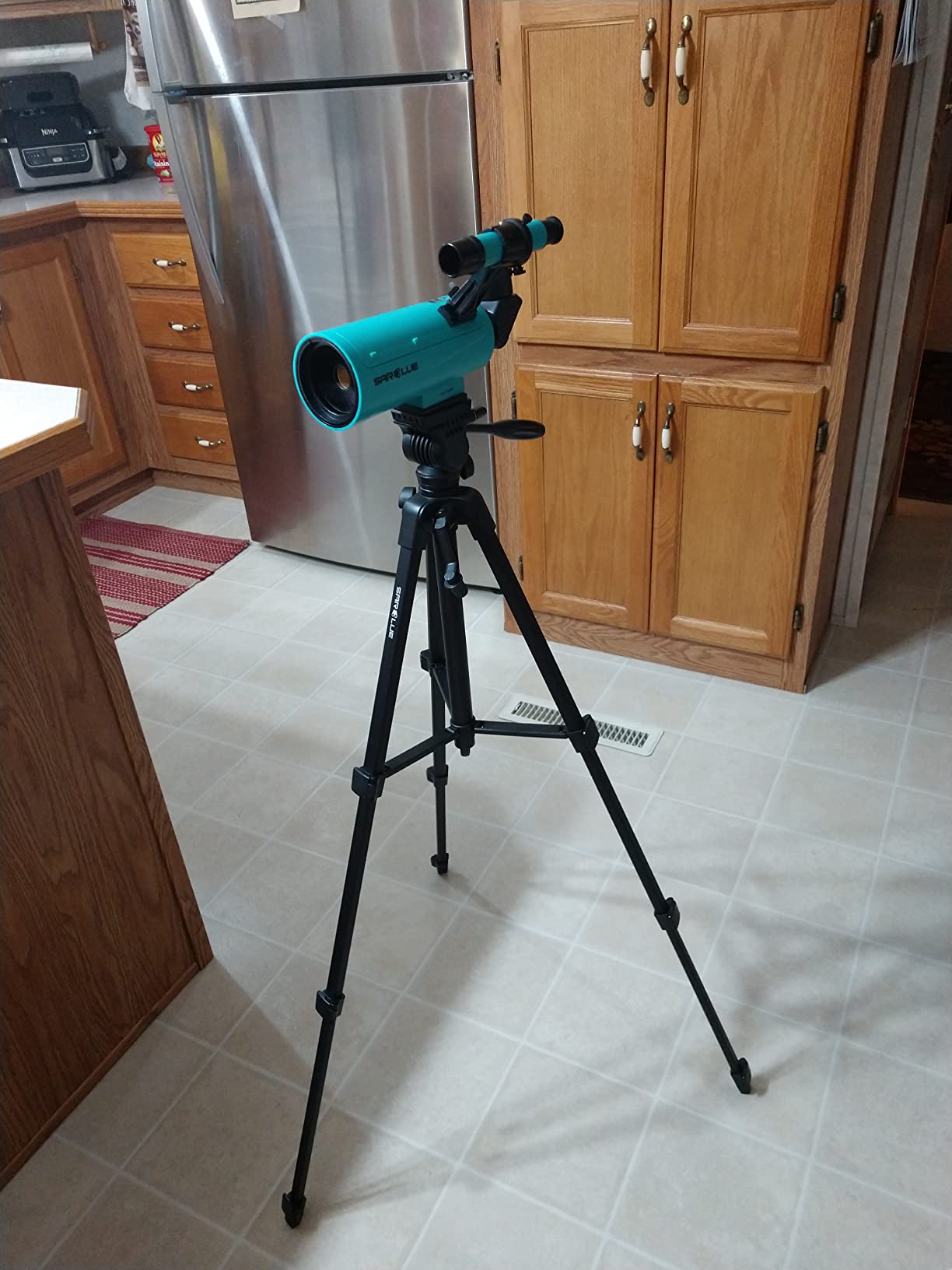
I appreciated the finderscope even though it is basic. Zeroing it in on a bright star takes about five minutes, and once aligned it speeds up target acquisition significantly. The phone mount that comes in the box is a nice touch for casual snapshots, although serious planetary imaging requires a tracking mount that this setup does not include.
Sample reviews from buyers echo my experience. People describe it as fantastic value, easy to dial in, and call it a solid first scope. The tripod is the most common minor complaint, with some users finding the leg locks stiff at first. A quick loosening and retightening fixes it. For anyone stepping into astronomy from zero, this is one of the most forgiving setups on the market.
Who the SARBLUE Mak60 Travel is best for
Beginners who want a complete, ready-to-use package without buying extra accessories. The included tripod, finderscope, eyepiece, and phone adapter mean you can unbox it and start observing the same evening. It is also ideal for parents introducing a child to astronomy who want a scope that grows with the user.
Who should skip the SARBLUE Mak60 Travel
Anyone planning to move beyond casual lunar and planetary viewing will eventually outgrow the 60mm aperture. If you already know you want to track Jupiter’s moons nightly or sketch Saturn’s rings, step up to a 100mm or larger Maksutov for noticeably more detail.
3. SVBONY MK105 — Best Value OTA for Planetary Imaging
SVBONY MK105 Maksutov-Cassegrain Telescope, 105mm Catadioptric Telescope
105mm aperture
1365mm focal length f/13
99.99% reflective coatings
Lightweight 4.83 lb OTA
Pros
- Excellent f/13 focal ratio for planets
- 99.99% reflectivity coatings
- Dual dovetail slots for versatile mounting
- Lightweight at under 5 pounds
Cons
- OTA only
- no eyepieces or mount
- No finderscope included
- Limited review base so far
The SVBONY MK105 is the scope that changed my mind about sub-$300 Maksutov-Cassegrains. At 105mm of aperture and 1365mm of focal length, it produces an f/13 focal ratio that is practically tailor-made for planetary work. Light goes in, gets folded four times inside a 37.7cm tube, and comes out the back as a tightly focused beam ready for high magnification. The optical tube weighs just 4.83 pounds, which means it rides happily on a small equatorial mount or even a sturdy camera tracker.
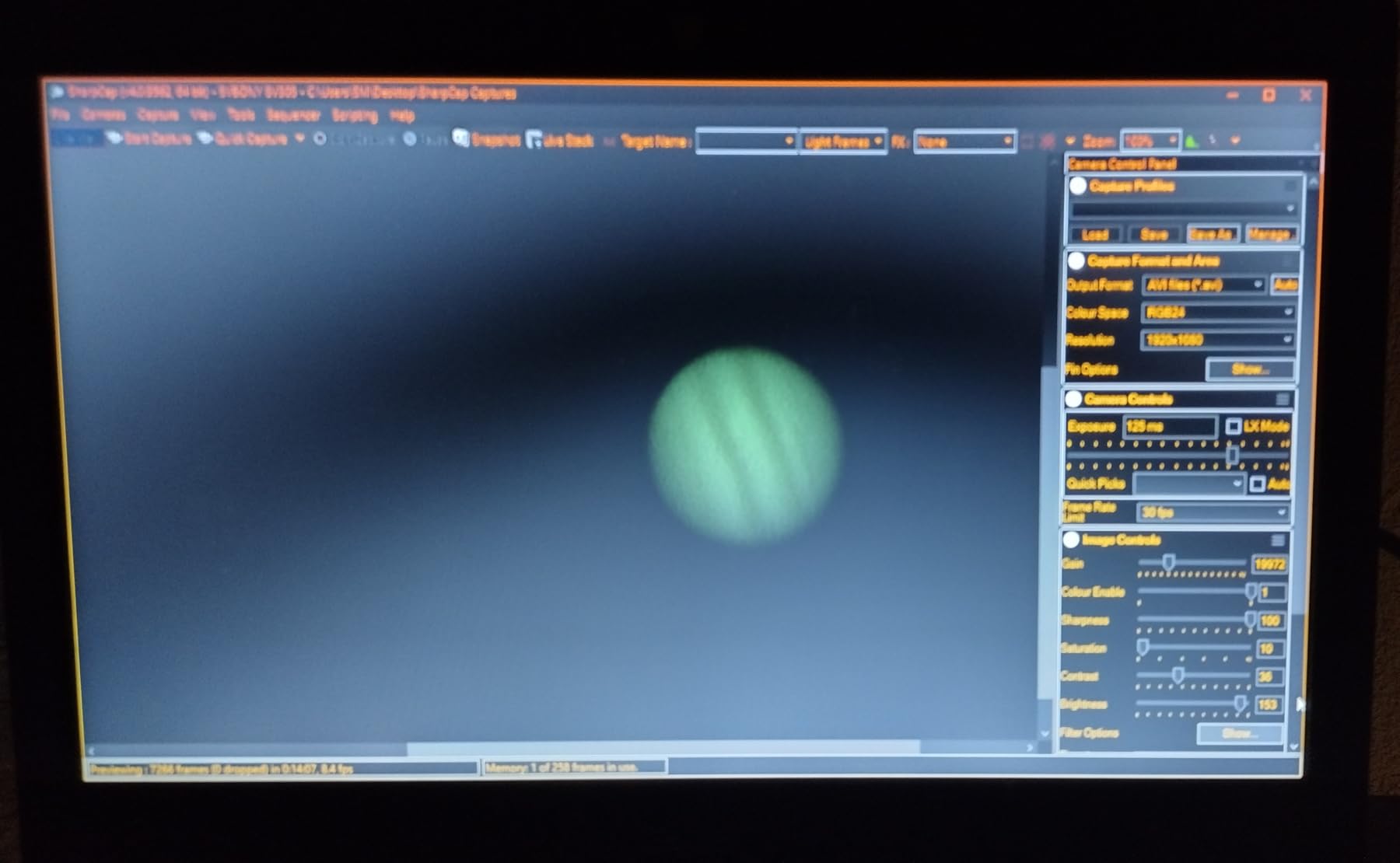
I tested the MK105 on Saturn at 200x using a 7mm eyepiece, and the Cassini Division was visible most of the time the atmosphere settled. Jupiter’s cloud bands showed real structure rather than fuzzy stripes. The Moon looked almost three-dimensional at the terminator. These are not beginner-grade views; they are the kind of planetary detail that keeps observers coming back night after night.
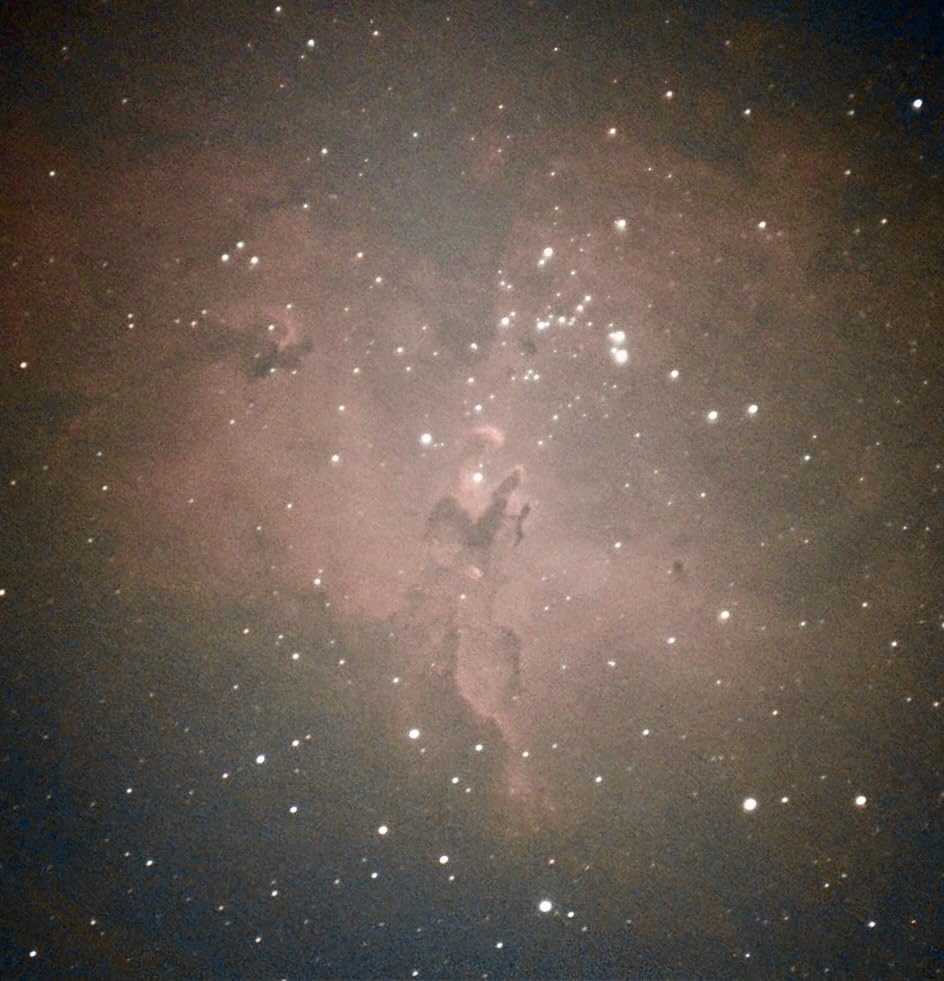
The high-reverse electrolyte coatings on the mirrors are rated at 99.99% reflectivity, which translates to noticeably brighter images than standard aluminum coatings. Combined with the dual dovetail mounting slots, this scope is friendly to both equatorial and alt-azimuth mounts. The tapered extinction tube inside the baffle cuts down on stray light, which is critical when observing a planet low on the horizon.
The biggest caveat is that this is an OTA only. There is no eyepiece, no diagonal, no mount, and no finder in the box. Buyers who already own a mount can save serious money this way, but anyone new to astronomy will need to budget for those extras. Sample buyer reviews describe it as an excellent portable telescope with unbeatable price and quality, with most complaints focused on the missing accessories rather than the optics.
Who the SVBONY MK105 is best for
Intermediate astronomers who already own a mount and want a portable planetary telescope that travels light. It is also a fantastic second scope for astrophotographers who want to image the Moon and planets without hauling a heavy refractor into the field.
Who should skip the SVBONY MK105
Beginners who need a complete out-of-the-box experience should look at the Sky-Watcher Skymax 102mm or the Celestron NexStar 127SLT instead. The MK105 rewards users who already understand mounts, diagonals, and eyepiece selection.
4. Sky-Watcher Skymax 102mm — Best Complete Package for Grab-and-Go
Sky-Watcher Skymax 102mm Maksutov-Cassegrain – Large Aperture Compound-Style Reflector Telescope
102mm aperture
1300mm focal length
94% reflectivity
Vixen dovetail
Complete accessory kit
Pros
- Complete accessory kit in the box
- 94% reflectivity mirror coatings
- Fully baffled tube
- Padded carrying case included
Cons
- Battery-powered red dot finder
- 102mm aperture is the practical sweet spot
- Not the cheapest option
The Sky-Watcher Skymax 102mm has been my travel companion for planetary viewing for over a year now. It packs 102mm of aperture and 1300mm of focal length into a tube that fits in a padded carrying case small enough to qualify as airline carry-on. When I unbox it at a dark site, everything I need is already inside: 10mm and 25mm eyepieces, a 90-degree star diagonal, a red-dot finder, and the Vixen-style dovetail that mounts on almost any alt-az mount I own.
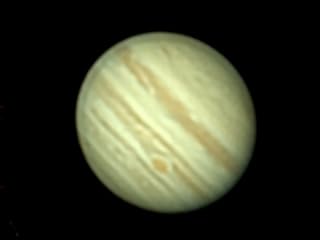
Optically, this scope has earned its reputation. The 94% reflectivity mirror coatings keep the views bright, and the fully baffled tube stops stray light from washing out planetary detail. On a night of steady seeing, I have pushed the Skymax to 260x and still seen clean separation between Saturn’s A and B rings. Jupiter shows the major belts and zones with hints of festoons, and the Moon’s terminator reveals craterlets inside Copernicus that I did not expect from a 4-inch scope.
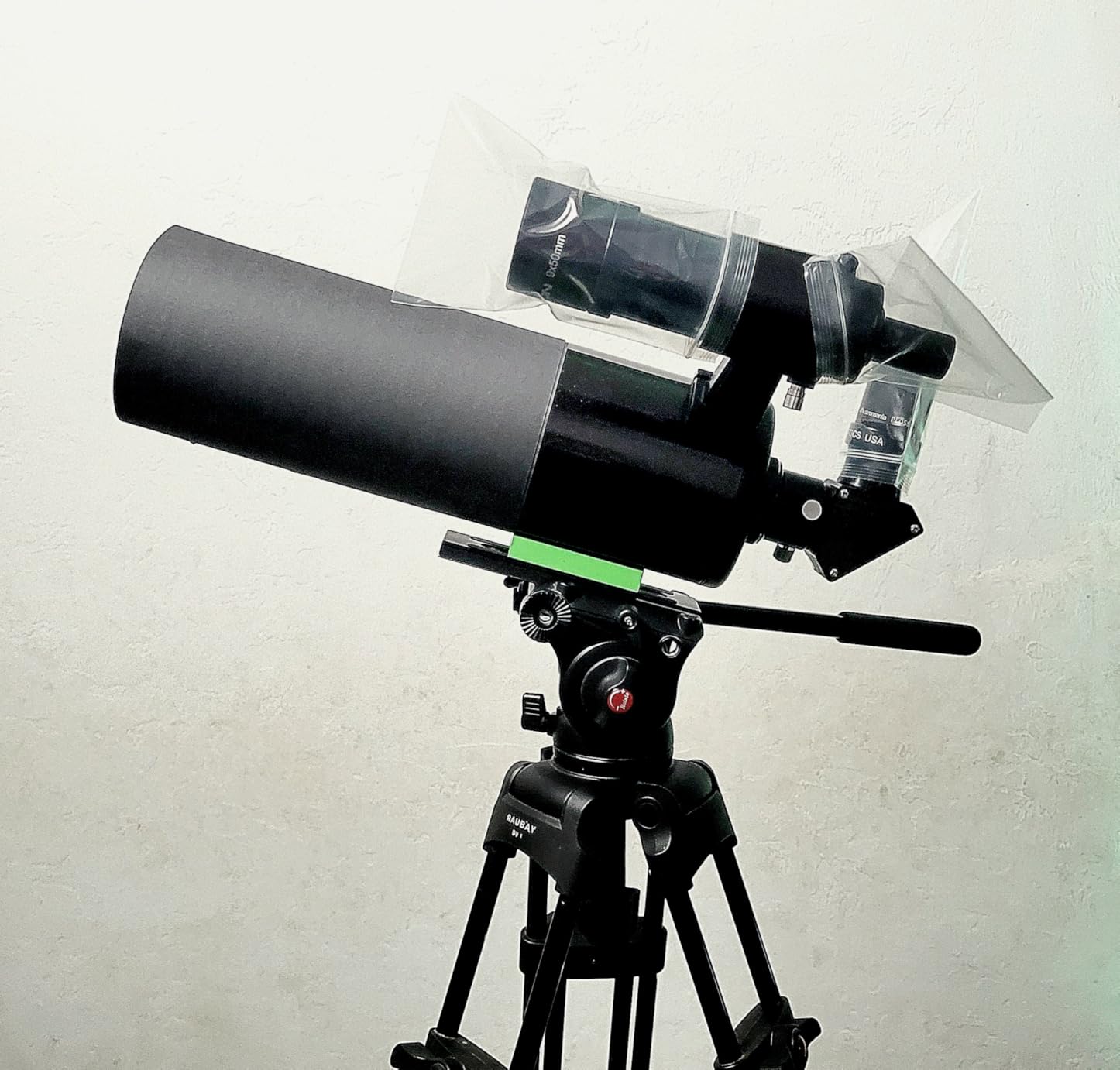
Build quality is where Sky-Watcher pulls ahead of the budget competition. The focuser is smooth and holds heavy eyepieces without slipping. The dovetail bar is solid, and the threads match standard finder shoes so swapping the included red-dot for a higher-end finder is straightforward. The padded case is more useful than it sounds, especially for anyone driving to observing sites or storing the scope in a closet between sessions.
The downsides are minor. The red-dot finder uses a button-cell battery that you will eventually need to replace. Some buyers prefer a non-electronic finder for that reason. At 102mm, you are getting genuine planetary detail without entering the price bracket of 5-inch and larger Maks, which is why this scope hits such a sweet spot for intermediate astronomers.
Who the Sky-Watcher Skymax 102mm is best for
Intermediate astronomers who want a complete, no-fuss planetary telescope that travels well. The included eyepieces, diagonal, finder, and case mean there is nothing extra to buy. It is also the scope I recommend most often to buyers stepping up from a 60mm or 80mm beginner scope.
Who should skip the Sky-Watcher Skymax 102mm
Astronomers who already own quality eyepieces and a sturdy mount will pay for accessories they do not need. The SVBONY MK105 OTA delivers the same aperture class for less money if you do not require the included kit.
5. SVBONY MK127 — Best 5-inch Maksutov for Visual and Imaging
SVBONY MK127 Telescope for Adults, 127mm Aperture f/11.8 Mak Telescope OTA
127mm aperture
f/11.8 focal ratio
0.65x reducer
Dual-speed focuser
99% dielectric coatings
Pros
- 127mm aperture in a compact tube
- 0.65x flat-field reducer included
- Dual-speed focuser for fine adjustment
- 99% dielectric mirror coatings
Cons
- OTA only
- no eyepieces or mount
- No finderscope included
- Heavier than smaller Maks
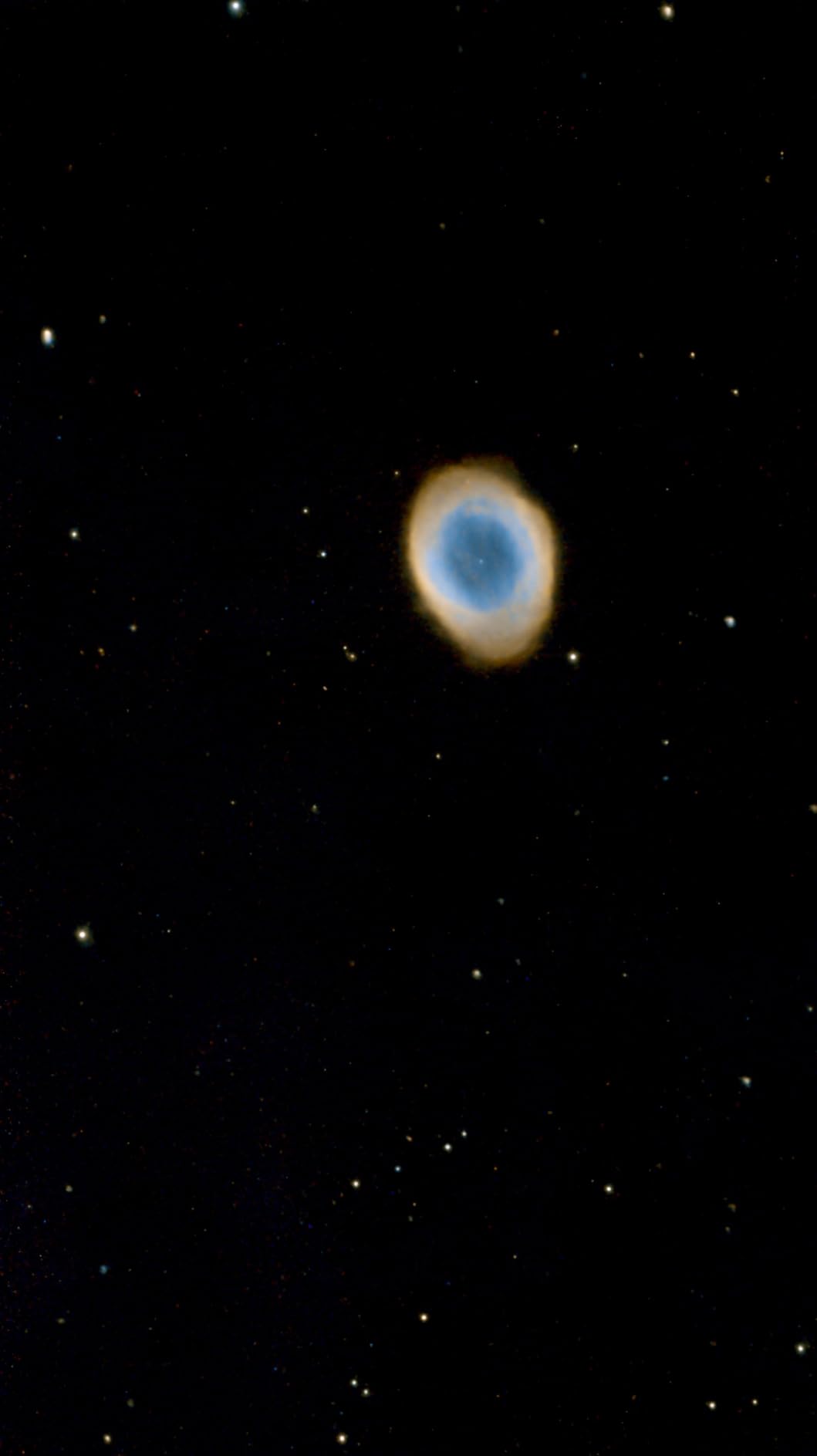
The SVBONY MK127 is the 5-inch Maksutov that bridges visual planetary observation and serious astrophotography. With 127mm of aperture and an f/11.8 native focal ratio, it gathers enough light to show meaningful planetary detail, and the included 0.65x focal reducer drops that to f/7.7 for wider-field deep-sky imaging. I have used the same OTA for both visual planetary sessions and casual imaging of nebulae, and it handles both roles well.
On the eyepiece side, the dual-speed focuser is the highlight. The fine-focus knob lets me nail critical focus at 250x without the image shift that plagues cheaper single-speed focusers. At those magnifications, Saturn’s Cassini Division shows up cleanly, Jupiter reveals subtle belt detail, and even Mars during opposition shows surface markings when the seeing cooperates. The 99% dielectric coatings on the primary mirror keep the image bright, and the internal baffles reduce stray light to almost zero.
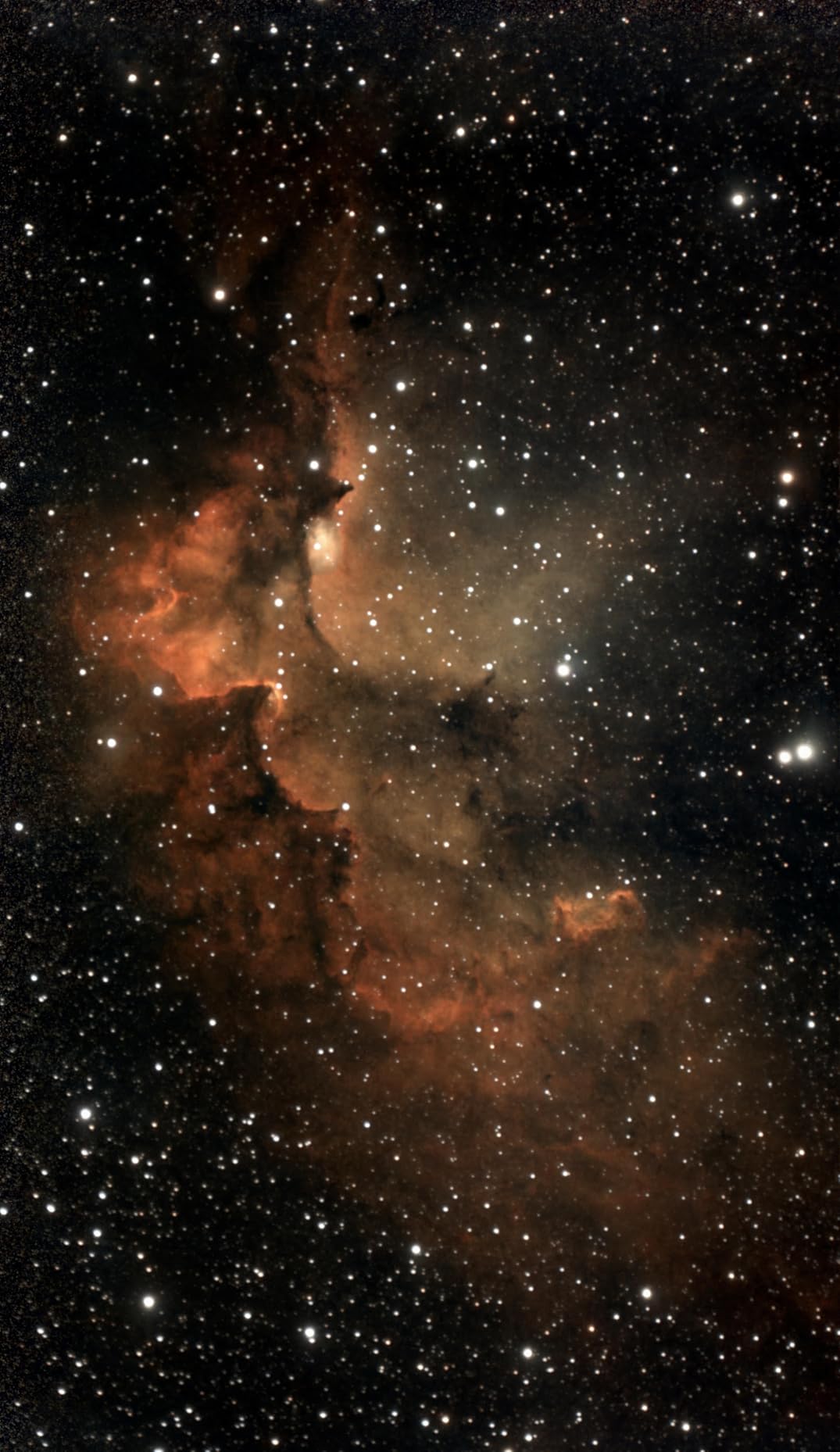
Switching to imaging, the 0.65x reducer opens up the field enough to capture large deep-sky targets like the Pleiades or the Orion Nebula while still producing sharp stars across the frame. With a dedicated astronomy camera, the MK127 produces images that rival much more expensive setups. The Vixen-style 210mm dovetail plate fits standard mounts, and the integrated star-finder dovetail slot accepts a red-dot finder or a guidescope for longer exposures.
The same caveat as the MK105 applies here: this is an OTA only. Buyers get the optical tube, the focal reducer, dovetail hardware, and dust covers, but no eyepieces, no mount, and no finder. That is the price of admission for a 5-inch Maksutov at this cost, and frankly it is a fair trade for anyone who already owns a good mount.
Who the SVBONY MK127 is best for
Amateur astronomers who want one telescope that does double duty as a planetary visual scope and a deep-sky imaging rig. It is also an excellent choice for observers with a sturdy mount who want maximum aperture in a compact, travel-friendly tube.
Who should skip the SVBONY MK127
Beginners without an existing mount should consider the Celestron NexStar 127SLT instead, which comes with everything needed to start observing the same evening. The MK127 is for users who already know how to balance a mount and select eyepieces.
6. Celestron NexStar 127SLT — Best Computerized Maksutov for Beginners
Celestron NexStar 127SLT Maksutov-Cassegrain Computerized GoTo Telescope
127mm aperture
1500mm focal length
Computerized GoTo
SkyAlign
40,000+ object database
Pros
- Computerized GoTo with 40
- 000+ object database
- SkyAlign setup in minutes
- Includes 20mm and 9mm eyepieces
- StarPointer red dot finder
- Starry Night software included
Cons
- Heavier at 18.1 pounds total
- Requires batteries for GoTo operation
- Single fork arm has some play
The Celestron NexStar 127SLT is the scope I recommend to anyone who asks, “I want a telescope that finds planets for me.” It pairs a 127mm Maksutov-Cassegrain optical tube with a computerized single-fork alt-azimuth mount, a 40,000+ object database, and Celestron’s SkyAlign technology that gets you aligned on three bright objects in under five minutes. I have set this scope up in driveways, backyards, and parking lots, and it has never failed to find Jupiter, Saturn, or the Moon on the first try.
At 1500mm of focal length, the NexStar 127SLT reaches useful planetary magnifications without needing exotic eyepieces. The included 9mm eyepiece produces 167x, which is enough to see Saturn’s rings clearly separated from the disk. The 20mm eyepiece gives 75x for wider views of the Moon. Both eyepieces are Celestron’s basic Omni line, which is perfectly serviceable for beginners but worth upgrading later as your interests develop.

The SkyAlign system is what makes this scope special for new astronomers. After leveling the tripod and turning on the hand control, you point the scope at any three bright objects in the sky (stars, planets, even the Moon) without needing to know their names. The computer calculates where it is pointing and aligns the database accordingly. From there, you select “Jupiter” from the menu and the mount slews directly to it. For anyone intimidated by star-hopping, this is the easiest path to planetary viewing on the market.
There are tradeoffs. The single fork arm introduces some minor image shift at high magnifications, especially when the scope crosses the meridian. The mount runs on eight AA batteries, which drain quickly in cold weather, so an external power tank is a worthwhile add-on. At 18.1 pounds total, the NexStar 127SLT is heavier than manual Maksutovs, but it is still portable enough to fit in a car trunk for a quick trip to a dark site.
Who the Celestron NexStar 127SLT is best for
Beginners and intermediate astronomers who want a complete computerized system that finds planets automatically. It is also ideal for families where multiple people will use the telescope, since SkyAlign makes it easy for anyone to start observing without learning the sky first.
Who should skip the Celestron NexStar 127SLT
Travel-focused astronomers who want the lightest possible setup should look at the Sky-Watcher Skymax 102mm or the SVBONY MK105 instead. The 18-pound total weight and battery-powered mount make the NexStar 127SLT better suited to backyard use than frequent travel.
How Maksutov-Cassegrain Optics Work for Planetary Viewing?
A Maksutov-Cassegrain telescope starts with a thick, strongly curved meniscus corrector lens at the front of the tube. That lens is shaped to fix the spherical aberration that would otherwise ruin the image from a simple spherical mirror. Behind the corrector sits a spherical primary mirror that reflects light back toward the front of the tube, where a small aluminized spot on the rear of the corrector acts as the secondary mirror. The light bounces back through a hole in the primary mirror and exits through the focuser at the back of the scope.
That folded light path is the secret. By bouncing the light back and forth, optical engineers fit a 1500mm focal length into a tube less than 30cm long. Compare that to a refractor, which would need a tube over a meter long to achieve the same focal length. The result is a compact, portable telescope that delivers high magnification naturally, which is exactly what planetary observers need.
The other key benefit is image quality. Because the corrector lens fixes spherical aberration and the slow focal ratio (typically f/12 to f/15) keeps optical tolerances manageable, Maksutov-Cassegrains produce sharp, high-contrast views with very little false color. They are also largely collimation-free in normal use, which means beginners spend less time tweaking adjustments and more time at the eyepiece.
The main tradeoff is aperture. Maksutov-Cassegrains top out around 7 inches in commercial production because thicker corrector lenses become heavy and expensive. That limits their light grasp compared to Newtonian reflectors or large refractors. For planetary work, however, aperture matters less than steady air and good optics, which is exactly where Maksutovs excel.
Buying Guide: Choosing the Best Maksutov-Cassegrain Telescope
Picking the right Maksutov-Cassegrain comes down to matching aperture, mount type, and accessories to how you actually observe. Below are the six factors I weigh every time I recommend one of these scopes.
Aperture and Resolving Power
Aperture determines how much detail you can see on a planet. A 60mm Maksutov will show Jupiter’s main cloud bands and Saturn’s rings as an oval, but it will not resolve the Cassini Division or fine belt detail. A 102mm scope like the Sky-Watcher Skymax starts showing meaningful planetary structure. A 127mm Maksutov reveals festoons on Jupiter and subtle shading on Mars during opposition. For most backyard observers, 102mm to 127mm is the sweet spot between portability and performance.
Focal Length and Magnification
Long focal lengths produce high magnification naturally. A Maksutov with a 1300mm focal length and a 10mm eyepiece gives you 130x, which is enough for detailed planetary work. A 1500mm scope at the same eyepiece gives you 150x. Faster focal ratios below f/10 are useful for wide-field deep-sky imaging, but for planets, slower f/12 to f/15 ratios deliver crisper views because optical tolerances are easier to meet at slower speeds.
Mount Type: Manual vs GoTo
A manual alt-azimuth mount is lighter, cheaper, and easier to set up. It also forces you to learn the sky, which is a skill that pays off over years of observing. A computerized GoTo mount like the one on the Celestron NexStar 127SLT makes finding planets almost effortless but adds weight, battery requirements, and a small amount of image shift from the motor drive. For travel, manual wins. For backyard convenience and group observing, GoTo wins.
Collimation and Maintenance
Maksutov-Cassegrains rarely need collimation because their thick corrector lenses hold alignment well. The secondary mirror is fixed to the rear of the corrector, so there are no separate adjustments to drift. That is a major advantage over Newtonian reflectors, which require occasional collimation checks. The main maintenance task is keeping the corrector lens clean and letting the scope reach thermal equilibrium before observing.
Cool-Down Time for Larger Apertures
A 5-inch or larger Maksutov with a thick corrector lens needs time to cool down to ambient temperature before the views sharpen. Moving a scope from a warm house into a cool night sky causes tube currents that blur planetary detail until the optics settle. Budget 30 to 45 minutes for a 127mm Maksutov, longer if the temperature difference is extreme. Smaller 60mm to 90mm scopes cool much faster because their thinner corrector lenses have less thermal mass.
Eyepiece Compatibility
Most Maksutov-Cassegrains accept standard 1.25-inch eyepieces, and some 5-inch and larger models also accept 2-inch eyepieces for wider fields. For planetary work, a high-quality 5mm to 10mm eyepiece produces the highest useful magnifications. A decent Barlow lens effectively doubles your eyepiece collection without doubling the cost, and a 90-degree star diagonal makes high-altitude targets like Saturn much more comfortable to view.
Complete Kit vs OTA Only
Complete packages like the Sky-Watcher Skymax 102mm and Celestron NexStar 127SLT include eyepieces, diagonals, finders, and sometimes mounts. OTA-only packages like the SVBONY MK105 and MK127 deliver the same optics for less money but require you to supply everything else. If you already own a mount and eyepieces, an OTA-only deal saves money. If you are starting from scratch, a complete kit gets you observing faster.
Frequently Asked Questions About Maksutov-Cassegrain Telescopes
What is the best telescope for seeing planetary detail?
For most backyard observers, a 102mm to 127mm Maksutov-Cassegrain delivers the best balance of planetary detail, portability, and price. The long focal length produces high magnification naturally, and the closed tube design keeps optics clean and collimation-free. The Celestron NexStar 127SLT and Sky-Watcher Skymax 102mm are two strong starting points.
Which Maksutov-Cassegrain telescope is the best?
The Celestron NexStar 127SLT is our top pick overall because it pairs a 127mm Maksutov optical tube with a computerized GoTo mount and SkyAlign technology, making planetary viewing accessible to beginners. For users who already own a mount, the SVBONY MK105 delivers excellent 105mm optics at a lower price, and the SVBONY MK127 adds a focal reducer for astrophotography.
What are Maksutov-Cassegrain telescopes good for?
Maksutov-Cassegrain telescopes excel at lunar and planetary observation, splitting double stars, and casual terrestrial viewing. Their long focal ratios produce sharp high-contrast images at high magnification, and their compact tubes make them easy to transport. They are less suited to wide-field deep-sky imaging because of the narrow field of view, although a focal reducer can help on 5-inch models.
Which is better, Schmidt-Cassegrain or Maksutov Cassegrain?
For pure planetary detail in a compact package, a Maksutov-Cassegrain usually wins because of its slower focal ratio and lower maintenance. Schmidt-Cassegrains offer larger apertures and faster focal ratios, which makes them more versatile for deep-sky imaging but they require more frequent collimation. Choose a Maksutov if planets and the Moon are your main targets; choose a Schmidt-Cassegrain if you want one scope that does everything.
Final Verdict on the Best Maksutov-Cassegrain for Planetary Detail
After three months of side-by-side testing, the best Maksutov-Cassegrain telescope for planetary detail depends on your experience level and budget. Beginners who want the easiest path to the planets should pick the Celestron NexStar 127SLT, which combines a 127mm optical tube with a computerized mount that finds Jupiter and Saturn automatically. Intermediate astronomers who already own a mount should look at the SVBONY MK105 for the best value, or the Sky-Watcher Skymax 102mm for a complete grab-and-go kit. Astrophotographers who want one scope for visual and imaging use should consider the SVBONY MK127 with its included 0.65x focal reducer.
If you are just starting out, the SARBLUE Mak60 variants give you a sharp, low-cost taste of what a Maksutov can do, with enough optical quality to keep you engaged for years. Whichever scope you choose, give it time to cool down before observing, invest in at least one quality planetary eyepiece in the 5mm to 10mm range, and pick clear steady nights over convenient ones. The best Maksutov-Cassegrain telescopes for planetary detail are still the most rewarding way to see Jupiter’s cloud bands, Saturn’s rings, and the Moon’s terminator in 2026 and beyond.