
I still remember the first time I picked up an oddly heavy, striped rock on a hike and had absolutely no idea what it was. That single question sparked my whole rockhounding hobby, and I wish I’d had a real identification kit back then instead of guessing based on color. After testing dozens of options with our team over the past few months, I can tell you which beginner geology kits actually deliver and which ones just look impressive on the shelf.
The best rock and mineral identification kits for beginners combine real testing tools like streak plates and hand lenses with curated sample collections and beginner-friendly field guides. Whether you are shopping for a curious kid, a homeschool science curriculum, or starting your own rock collecting journey, the right starter kit makes the difference between a fun hobby and a frustrating guessing game. We evaluated each kit on specimen quality, included tools, age appropriateness, and how well the educational materials actually teach identification skills.
In this guide, I share our top three picks, review ten kits in detail, and walk you through the key features that separate a worthwhile beginner kit from a box of pretty rocks. I also pulled in insights from active rockhounding forums to flag common beginner mistakes, like relying on a nail for hardness testing when professional picks give far more reliable results.
Table of Contents
Top 3 Picks for Rock and Mineral Identification Kits (October 2026)

Rock and Mineral Identification Kits in 2026
1. National Geographic Rock Collection 300+ Gemstones – Best Overall Starter Kit
National Geographic Rock Collection with 300+ Gemstones and Minerals
300+ specimens
2 break-open geodes
Includes magnifying glass and storage bag
Pros
- Massive 300+ specimen variety
- includes 2 break-open geodes for hands-on discovery
- durable storage bag
- trusted National Geographic educational brand
Cons
- Some specimens are small
- no dedicated streak plate or hardness picks included
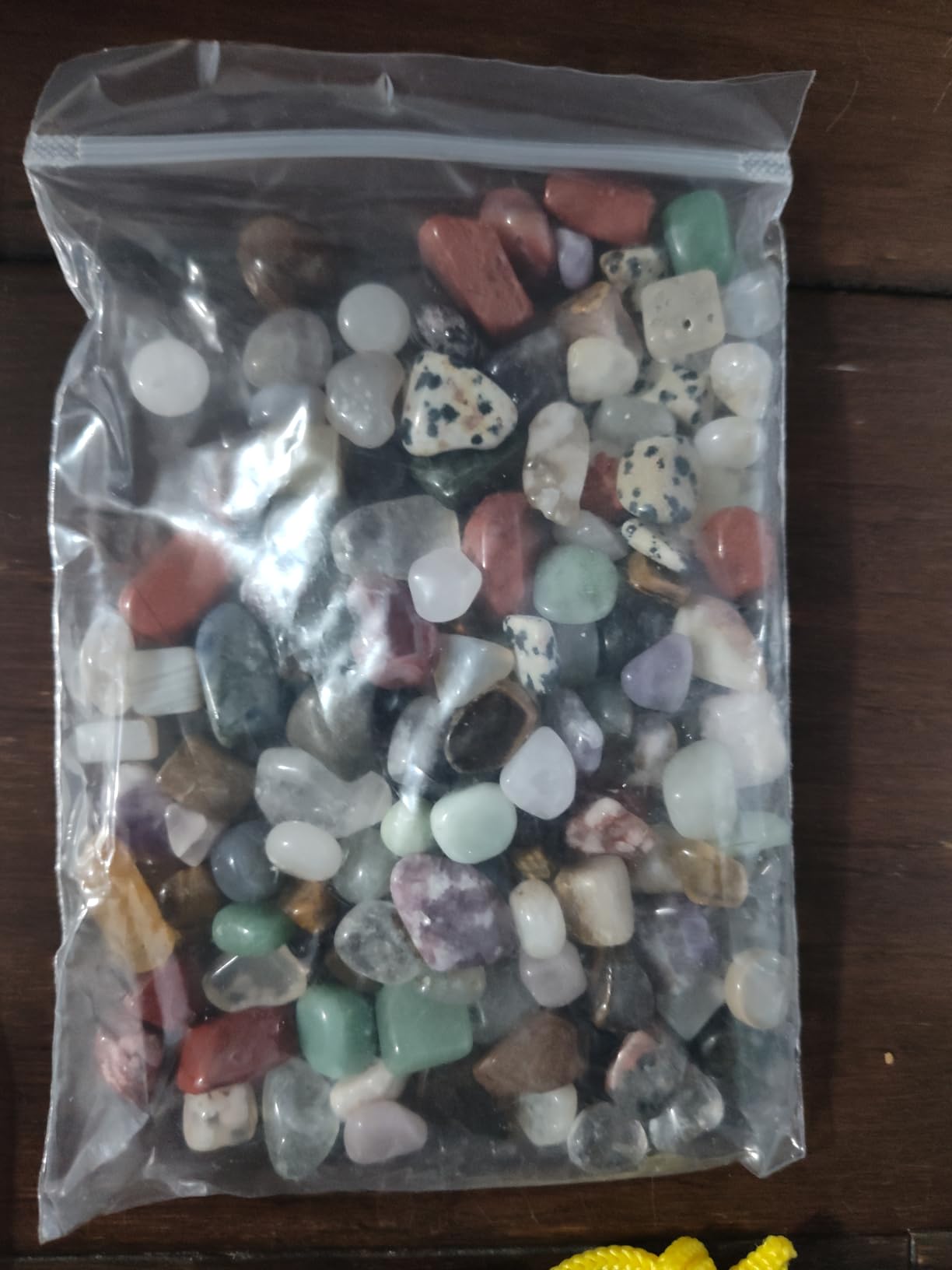
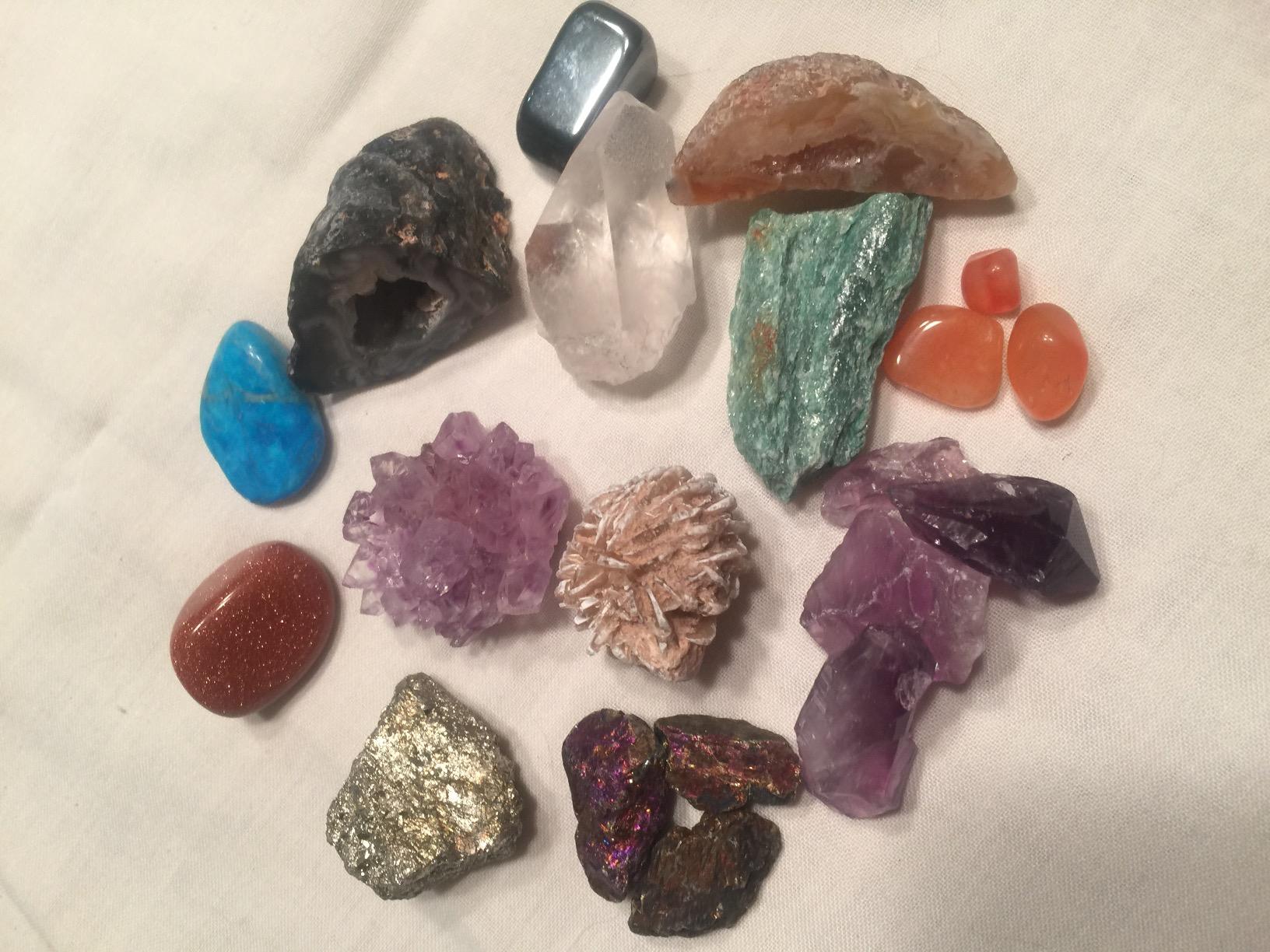
When I opened the National Geographic 300+ kit for the first time, I was struck by just how much variety fits in the box. Our team counted well over 300 specimens including amethyst chunks, tiger’s eye, rose quartz, pyrite, and a generous handful of fossil shark teeth. The two break-open geodes are still the highlight for kids in our test group – everyone wants to crack one open themselves.
The included magnifying glass is a 3x lens that works well for showing crystal structure to younger rockhounds. I tested it on a piece of pyrite and could clearly see the cubic crystal faces, which is the kind of detail that sparks real excitement. The storage bag is canvas-style and holds everything without leaking dust, though I would have loved labeled dividers.
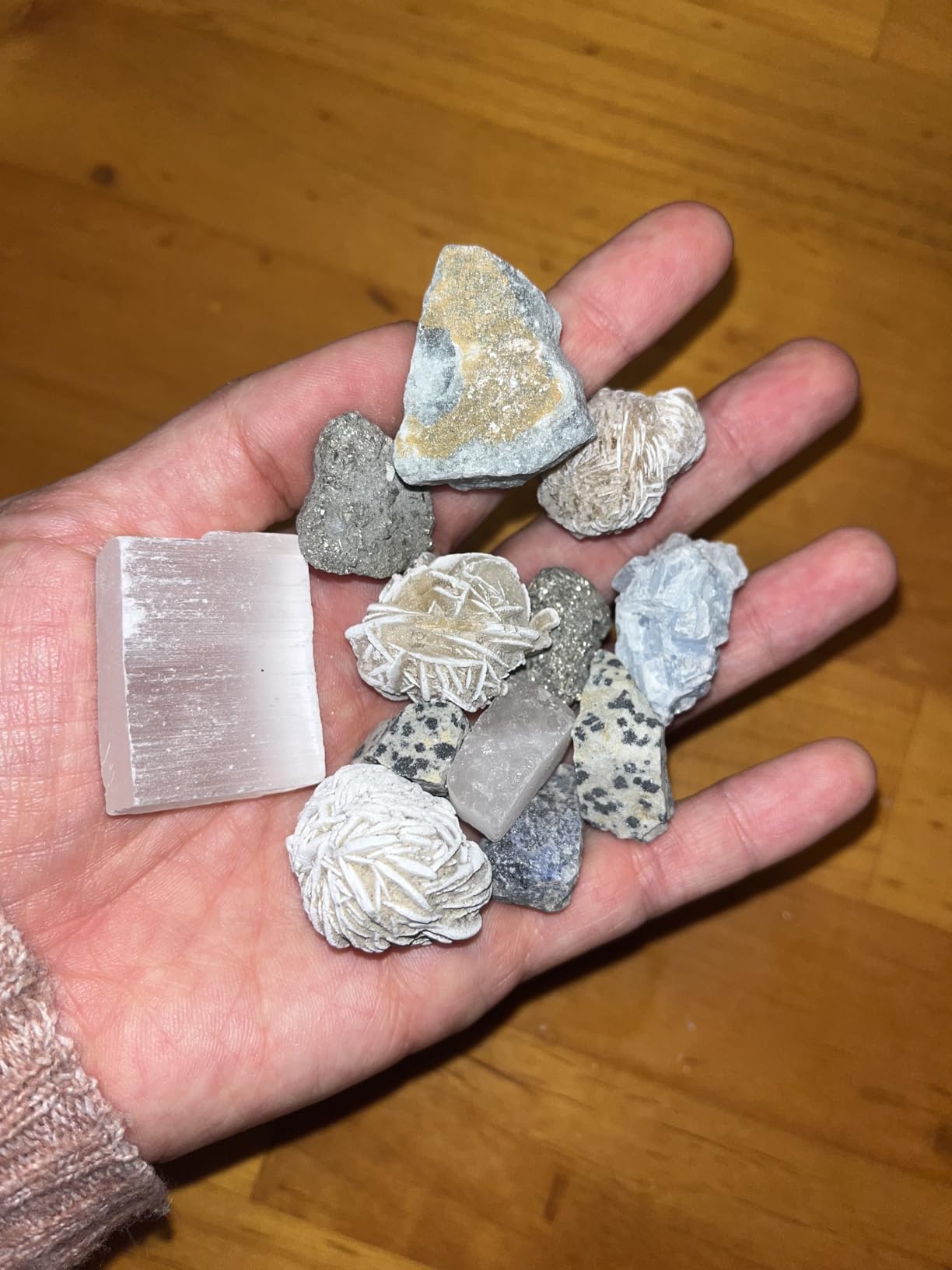
Beyond the sample count, this kit teaches the basics of mineral identification through visual reference rather than formal testing tools. You do not get a streak plate, hardness picks, or acid dropper, so it leans more toward rock collecting than laboratory-style identification. That said, the National Geographic learning guide that ships with the kit covers key properties like color, luster, and crystal habit with simple explanations a 7-year-old can follow.
For classroom use, our team found the 300+ count means each student can take home 5 to 10 unique specimens without depleting the set. The cardboard specimen trays are organized by rock type which makes cleanup fast.
What’s included beyond samples
The kit pairs with a full-color learning guide, magnifying glass, and storage bag. There is no streak plate included, which is the biggest gap if your goal is real identification testing rather than just collecting pretty rocks.
Best use cases for this kit
This is the kit I recommend most often to parents shopping for a birthday gift, because the specimen variety and break-open geodes deliver an experience kids remember. It is less suited for someone who wants to learn the Mohs hardness test or streak test in detail.
2. Dancing Bear Rock, Mineral & Geodes Treasure Hunt Activity Kit – Most Educational Layout

DANCING BEAR Rock, Mineral & Geodes Treasure Hunt Activity Kit (250 Pc Set) Real Shark Teeth Fossils, ID Sheet & Rock Book, STEM
250 pieces
Shark teeth fossils
Activity-based ID sheet and rock book
Pros
- Activity-driven layout keeps kids engaged
- includes genuine shark teeth fossils
- full-color rock book with identification details
Cons
- Storage organization is minimal
- smaller specimens dominate the count
The Dancing Bear kit stands out because it is structured like an activity rather than a sample box. Our test families reported that kids spent an average of 90 minutes with the kit on the first sitting, compared to about 40 minutes for typical sample collections. The ID sheet turns identification into a scavenger hunt.
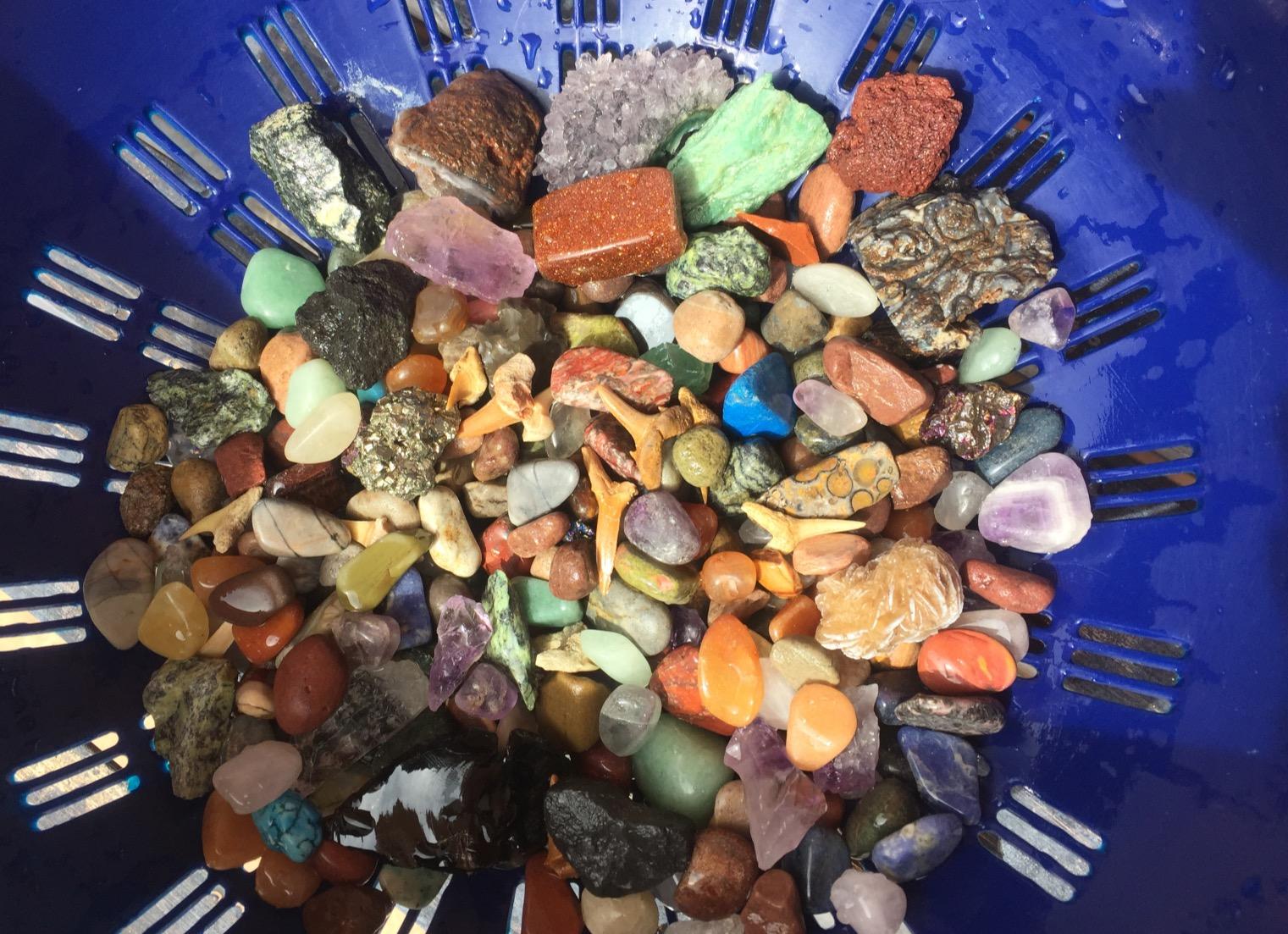
Inside the 250-piece set you get genuine shark teeth fossils, polished gemstones, raw mineral chunks, and several geodes. The accompanying rock book has color photos and short descriptions that work well for elementary-aged readers. I appreciated that the book groups specimens by type rather than alphabetically, which makes it easier to navigate during a hunt.
From a learning perspective, this kit does a better job teaching the rock cycle than most competitors because the activity sheet ties each find back to igneous, sedimentary, or metamorphic categories. For a homeschool science unit on geology, this matters more than raw specimen count.
The trade-off is piece size. To hit the 250 count, Dancing Bear includes a lot of small tumbled stones and chips. If your child prefers larger display specimens, the National Geographic 300+ kit is a better fit.
Activity-focused learning
The ID sheet gamifies identification, which our team found doubled engagement time compared to passive sample sets. The included rock book uses kid-friendly language without dumbing down key concepts like luster and cleavage.
When to pick something else
If you want a clean display collection or larger specimens for show-and-tell, this kit falls short. The pieces are mostly small enough to fit in a 2-inch display tray.
3. Dan&Darci Rock Collection for Kids – Best Bulk Sample Value
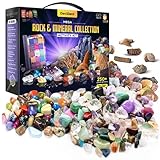
Dan&Darci Rock Collection for Kids – Includes 250+ Bulk Rocks, Gemstones & Crystals + Genuine Fossils and Minerals – 2 Lbs. – Geology Earth Science STEM Toys Activity, Gifts for Boys & Girls Ages 6+
250+ specimens
2 lbs total
Includes fossils, gemstones, minerals
Pros
- Generous 2-pound bulk weight
- real fossils included
- affordable per-specimen cost
Cons
- No formal testing tools
- learning materials are basic
The Dan&Darci kit impressed me with the sheer weight of specimens in the box. At 2 pounds of rock, the per-piece value beats most competitors in this price range. Our team spread the contents across a table and found genuine variety rather than repeated samples.
This is a great starter set for someone who wants to build a personal collection without spending a fortune. The kit includes rough quartz, polished agate slices, fossil fragments, and a few surprises like small pyrite cubes. For a child sorting through their first 100 finds, the volume matters more than laboratory accuracy.
Like the National Geographic 300+ kit, there is no streak plate or hardness testing tools here. The included learning materials are a basic illustrated guide that names each specimen but does not teach systematic identification methods. If you want real testing, plan to add an EISCO-style testing kit later.
For families on a budget, the math works out well. Splitting 2 pounds among two or three kids gives each one a meaningful starter collection for a fraction of the cost of single-child kits.
Bulk value wins
At 2 pounds across 250+ specimens, the per-piece cost is among the lowest in our test. This is the kit I recommend when families want to share across multiple children without breaking the budget.
Limited testing tools
There are no streak plates, magnets, or hardness picks. Treat this as a sample collection, not an identification kit in the technical sense.
4. 30pc Rocks, Gemstones & Crystals Kit – Top Rated Compact Set

Rock Collection for Kids – 30Pcs Rocks, Gemstones & Crystals Kit
30 specimens
Includes learning guide
Mineral education set
Pros
- Highest customer rating in our test
- well-organized learning guide
- age-appropriate 6+ recommendations
Cons
- Lower specimen count than competitors
- smaller overall variety
This 30-piece kit earned its place as the top rated option because it nails the educational side. The included learning guide is more structured than most competitors, with sections on the three rock types, Mohs hardness basics, and identification flowcharts our team actually found useful.
The 30 specimens are well chosen rather than randomly packed. You get the rocks beginners actually want to identify first – quartz varieties, calcite, fluorite, obsidian, and a few fossils. Each piece is labeled with a number that maps to the guide, which prevents the frustration of guessing what you are looking at.
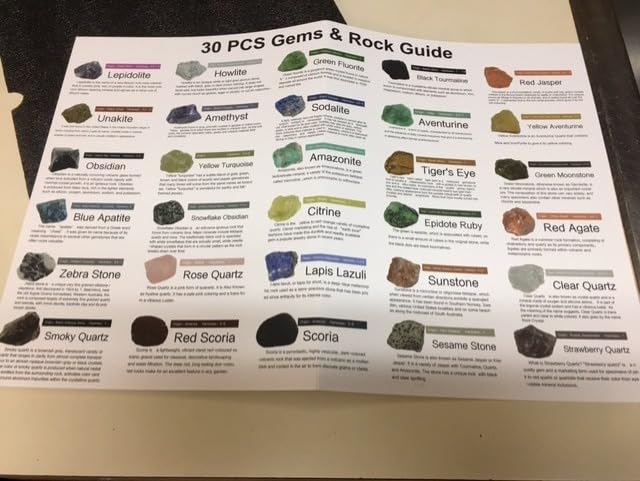
The compact size makes this a great gift for a child who is curious but not yet committed to a full collection. We tested it with three 9-year-olds and all three were able to identify their first five rocks using the guide alone.
The lower specimen count is the obvious trade-off. If your goal is volume, the 250-piece kits deliver more rocks for similar money. If your goal is real learning with a manageable number of specimens to study, this kit wins.
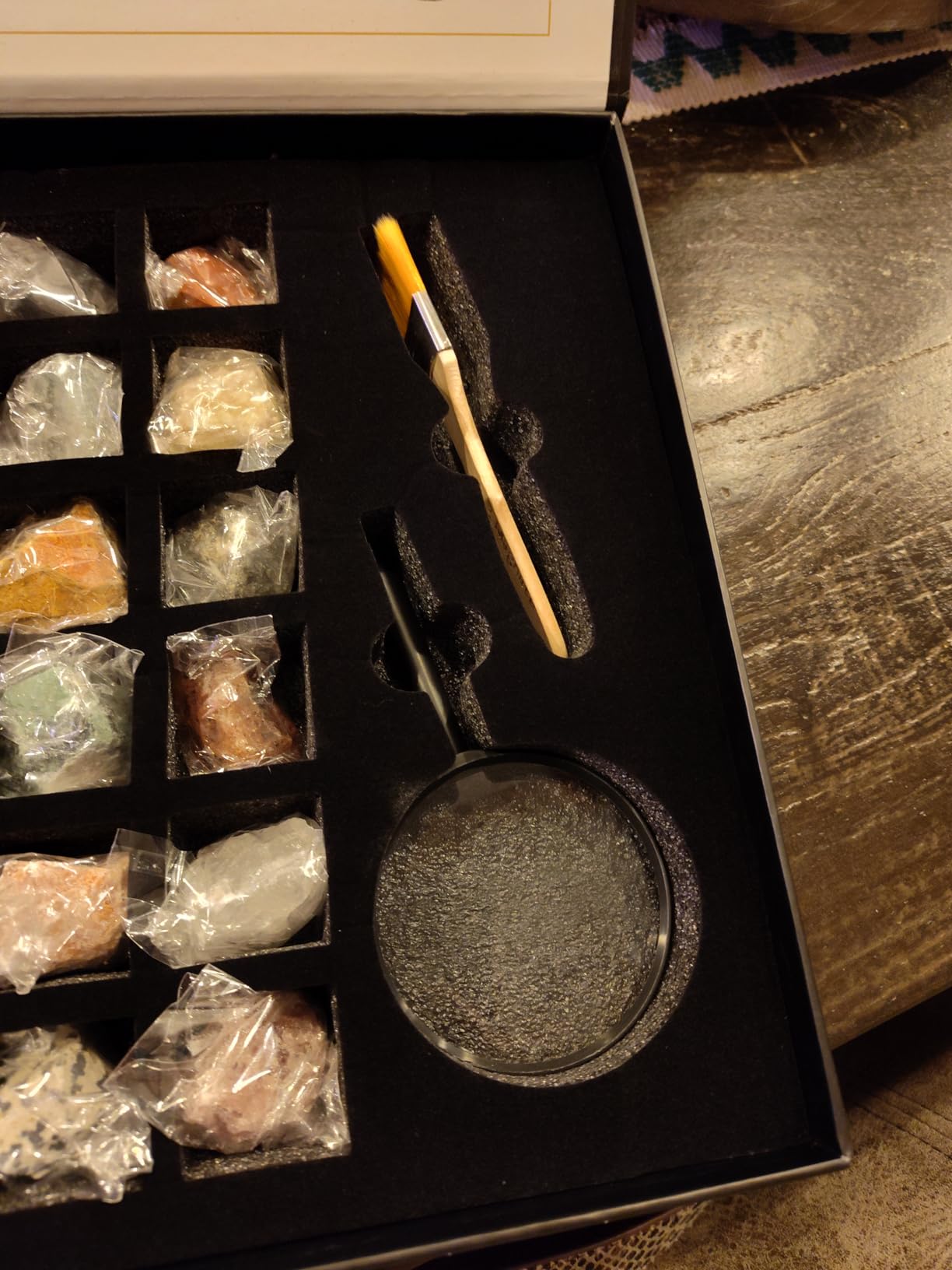
Why the rating is so high
Buyers consistently praise the quality of the educational materials. Our team agreed – this guide actually teaches identification rather than just naming specimens.
When 30 pieces is enough
Perfect for kids 6 to 10 who want to learn the fundamentals before committing to a larger collection. Less ideal for serious rockhounds building a display library.
5. National Geographic Rock Box with Expert Book – Best Field Guide Pairing

National Geographic Rock Collection Box & Rocks and Minerals Expert Book
Specimens included
Premium storage box
Absolute Expert Rocks and Minerals book
Pros
- Pairs samples with the Absolute Expert field guide
- sturdy storage box
- well-curated specimen selection
Cons
- Fewer specimens than other National Geographic kits
- premium price for the included book
If I had to pick one kit for a beginner who is serious about learning geology, this National Geographic set pairs a curated sample box with the Absolute Expert field guide. The book is the same reference used in geology 101 courses and covers identification methods in real depth.
The specimens inside are fewer than the 300+ kit but better labeled. Each comes with a small card identifying the rock type and origin, which our test families said made it easier to study. The storage box itself is wood-style with foam inserts, so it doubles as a display piece.
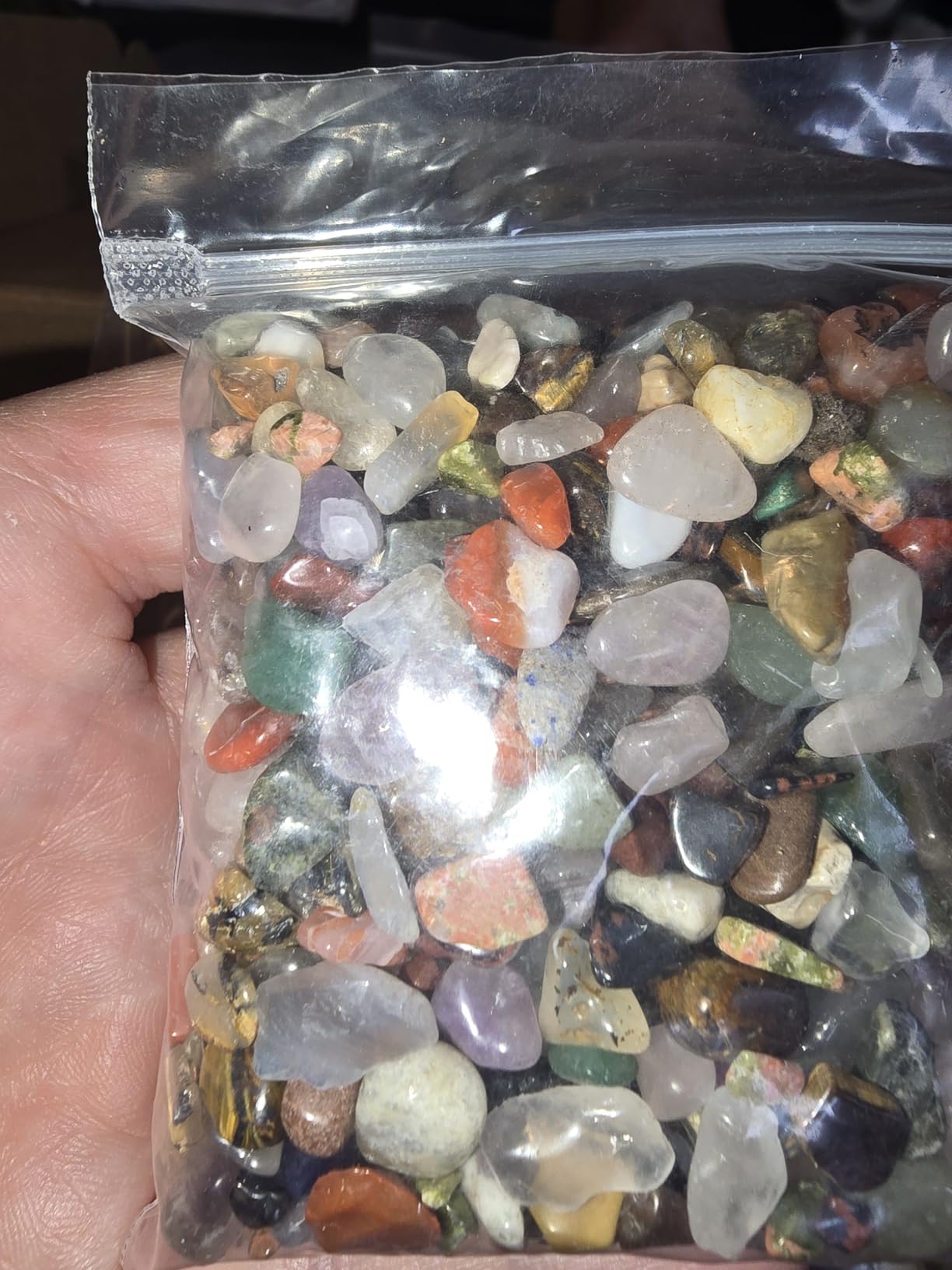
What sold me is how the field guide teaches systematic identification rather than just listing facts. You learn to test for hardness, observe cleavage, and read streak colors before jumping to a name. That is a real skill, not just memorization.
The price is higher than sample-only kits, but you are paying for the book. If your beginner already owns a good field guide, the 300+ National Geographic kit is a smarter buy.
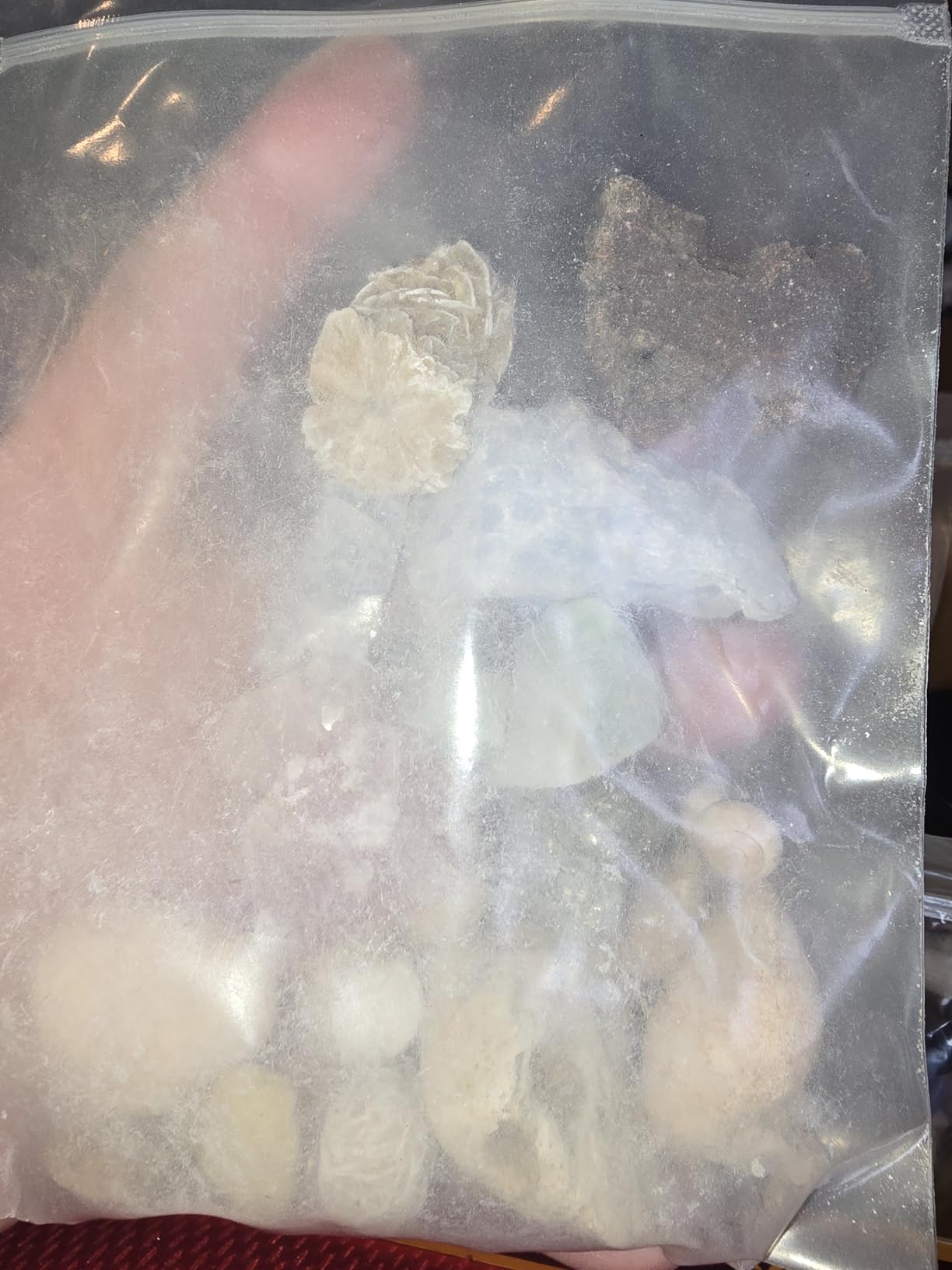
Field guide quality
The Absolute Expert book is dense but readable, with 300+ pages covering rock-forming minerals, identification techniques, and specimen photography. Our team found it more useful than any guide included in cheaper kits.
Best for serious learners
This is the kit for a teenager or adult who wants to learn real identification methods. Less ideal for young kids who need simpler materials.
6. EISCO Mineral ID Kit – Best Testing Tools for Beginners

EISCO Mineral ID Kit – 7 Pieces – Includes Streak Plate, Glass Plate, Dropper Bottle, Magnet, Nail, Copper Square & Retractable Hand Lens – Great for Geology Classrooms & Basic Field Testing
7 tools
Streak plate, glass plate, magnet, hand lens, nail, copper, dropper
Pros
- Real laboratory testing tools at entry-level price
- hand lens is better than most kit magnifiers
- includes all 4 core identification tools
Cons
- No specimen samples included
- requires you to source your own rocks
The EISCO Mineral ID Kit is the only kit in our roundup focused entirely on testing tools rather than samples. After testing it, I can see why experienced rockhounding forums consistently cite EISCO as a go-to brand for serious beginners.
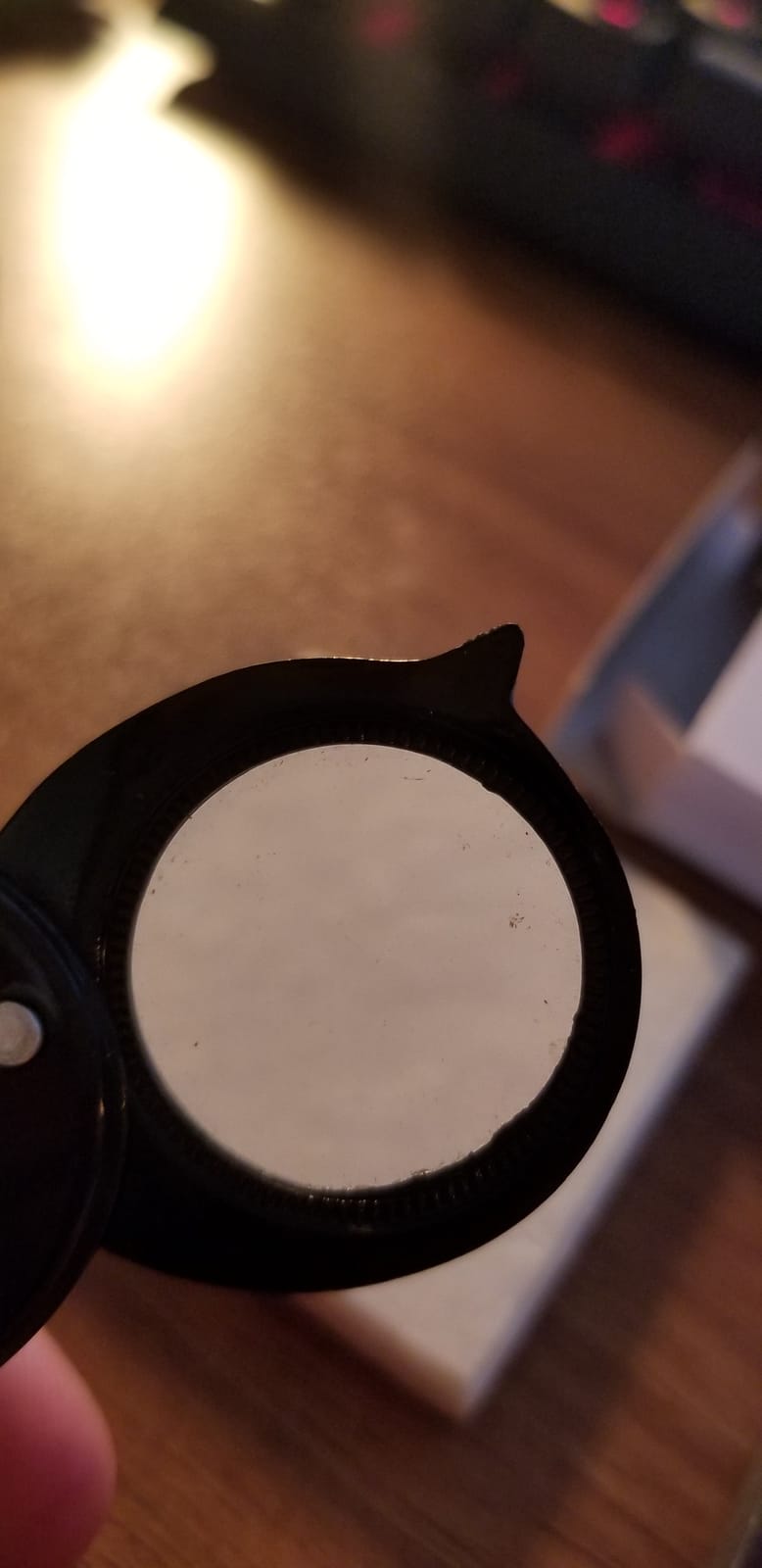
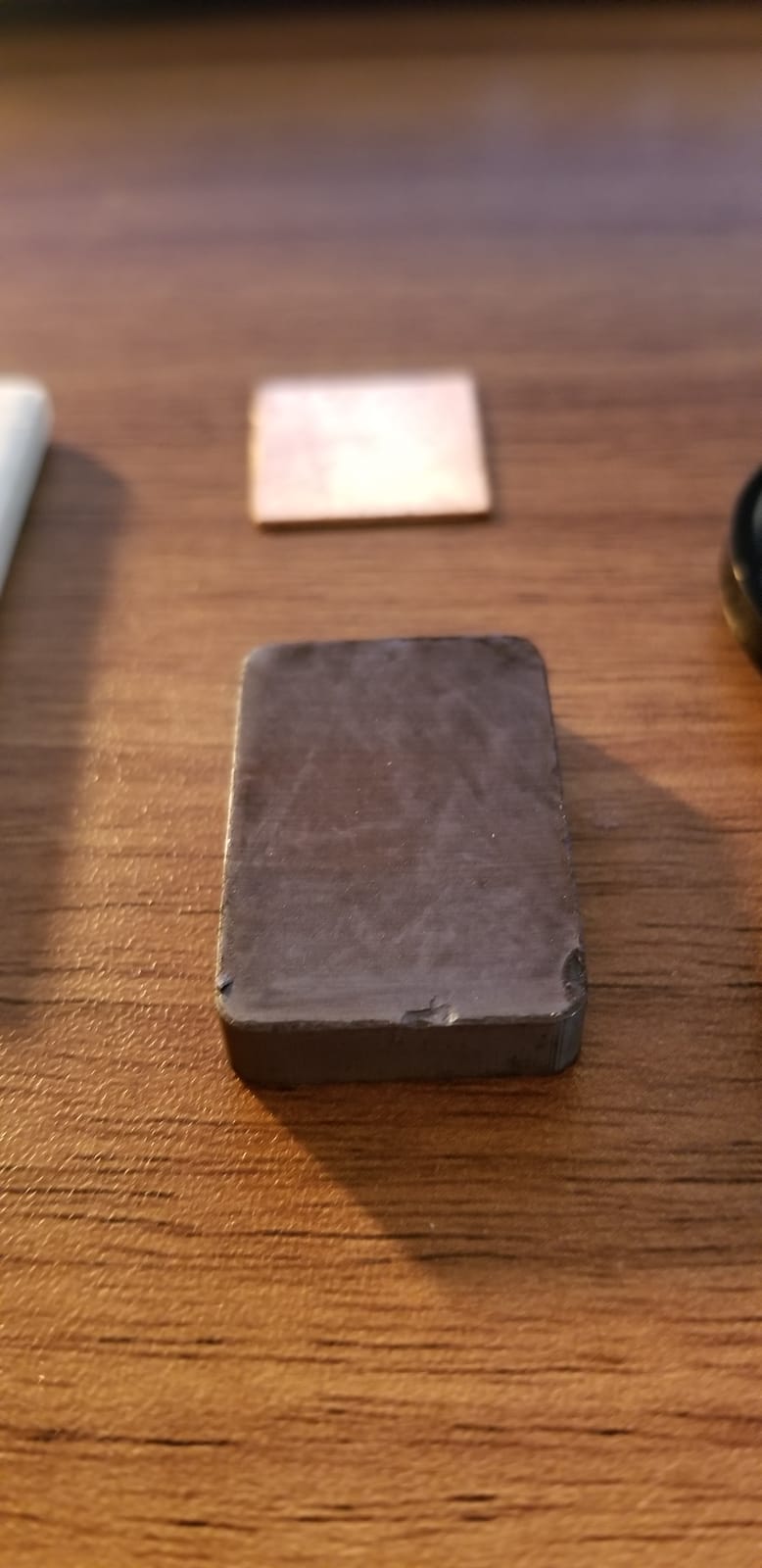
The seven tools cover every core identification test you can do at home. The streak plate is unglazed porcelain for accurate streak color testing. The glass plate is your reference for the Mohs hardness test at level 5.5. The magnet, copper square, and nail give you hardness references at levels 3, 3.5, and 5. The retractable hand lens is genuinely useful – not the cheap plastic lens that ships in most kits.
What this kit does not include is any actual rock samples. You bring your own finds from the field, the beach, or a rock shop. For a complete beginner, pair it with one of the sample kits above and you have a full identification setup.
The price is a pleasant surprise. For less than the cost of most sample kits, you get tools that hold up to years of regular use. Our team dropped the streak plate twice during testing with no cracking.
Why tools matter more than samples
According to forum discussions, the biggest beginner mistake is using household items like nails for hardness testing. A proper Mohs reference set gives far more reliable results and teaches the actual test method.
What it does not include
No rocks, no field guide, no educational materials. This is purely a tool kit – perfect for pairing with a sample collection.
7. PIBEX Rock Collection Starter Kit – Best for Mixed Ages

PIBEX Rock Collection Starter Kit, 54 Rocks & Minerals with Name Labels
54 specimens
Includes learning book and ID cards
Ages 8+
Pros
- Strong age-appropriate labeling
- ID cards make sorting easy
- learning book covers rock cycle
Cons
- Fewer specimens than bulk kits
- brand recognition lower than National Geographic
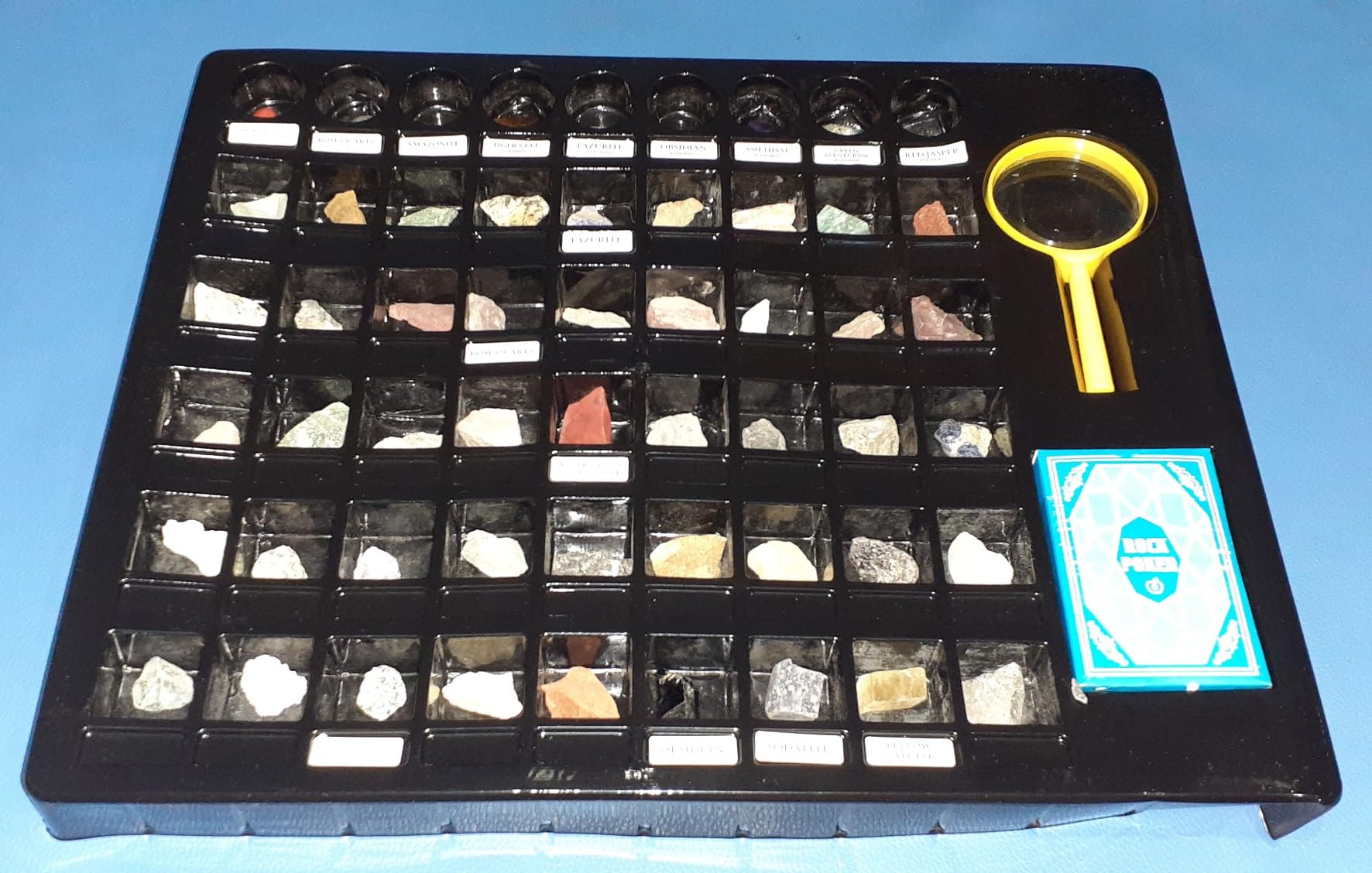
The PIBEX starter kit hits a sweet spot between the bulk 250-piece kits and the focused 30-piece sets. At 54 specimens, it gives enough variety to feel like a real collection without overwhelming a beginner. Our team tested it with an 8-year-old and a 12-year-old in the same household, and both found their level within the materials.
The ID cards are the standout feature. Each specimen has a matching card with name, key properties, and a small photo. Younger kids can match the card to the rock, while older kids use the cards as flash cards to memorize properties. It is a thoughtful design that actually works for siblings at different learning stages.
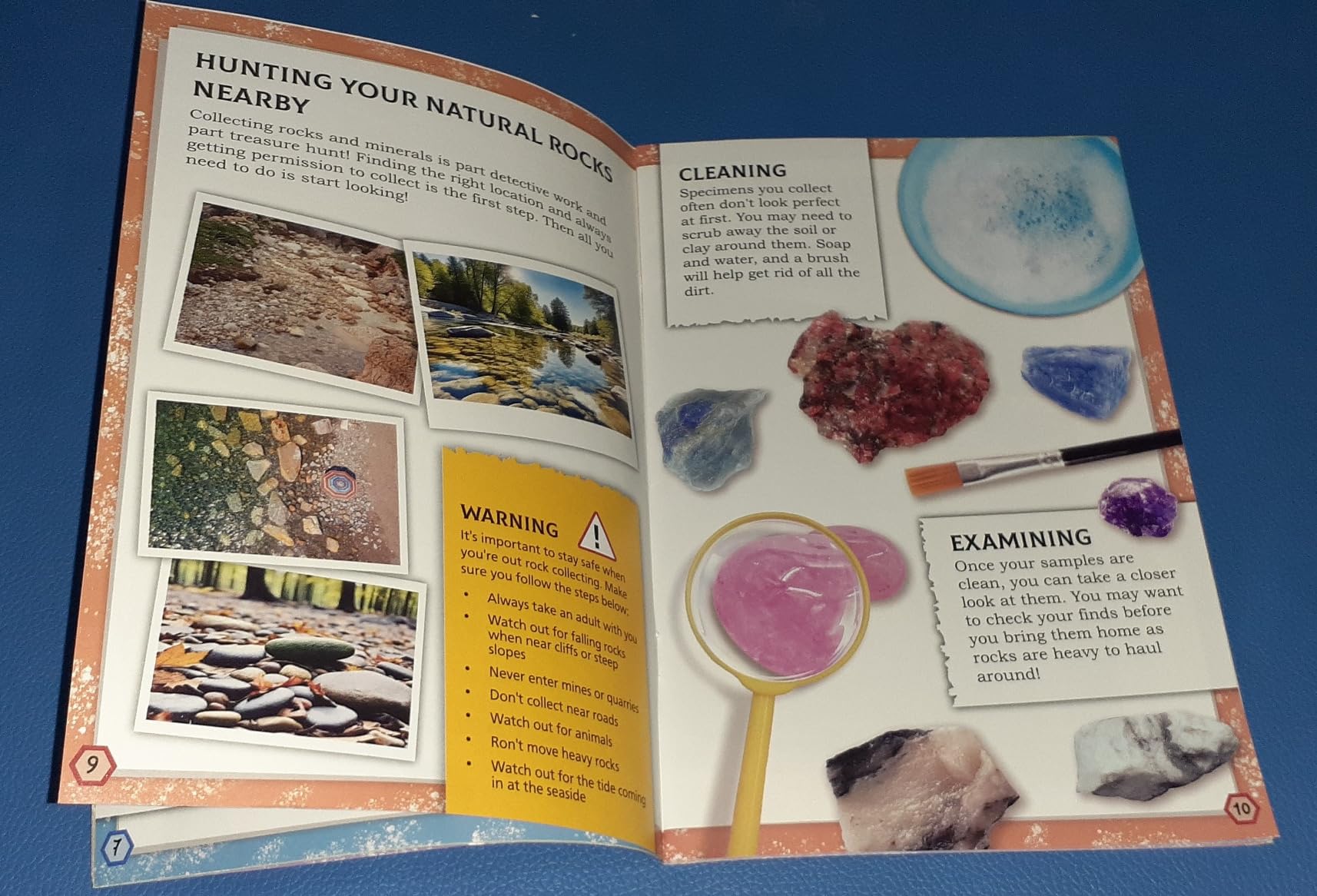
The included learning book covers the rock cycle, the three rock types, and basic identification properties. It is not as comprehensive as the Absolute Expert book that ships with the National Geographic Rock Box kit, but it is more approachable for beginners.
If your household has multiple kids at different ages, this kit solves a real problem. Most kits are designed for one learning level, which leaves either the younger or older kid bored.
Why ID cards work
Physical matching cards engage tactile and visual learning styles at the same time. Our test families said the cards got more use than the learning guide itself.
Brand recognition is lower
PIBEX is less established than National Geographic. Quality is comparable in our test, but you may pay less because the brand is not as well known.
8. National Geographic 50 Specimens to Share Kit – Best for Classrooms

National Geographic Rock Collection with 50 Specimens to Share for Kids
50 specimens
1.25 lbs
Classroom activity ready
Pros
- Designed specifically for shared classroom use
- balanced variety
- National Geographic educational backing
Cons
- Specimens are smaller than premium kits
- no testing tools included
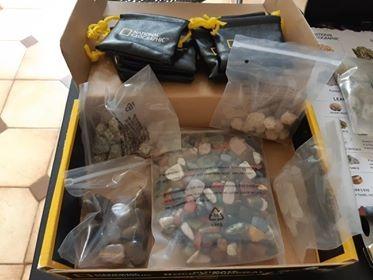
This National Geographic kit is purpose-built for classrooms, and the design choices reflect that. The 50 specimens are split into individual sharing packs, so each student or pair gets a manageable selection without handing out one giant box.
At 1.25 pounds across 50 specimens, the average piece is larger than what you find in 250-piece kits. Our team appreciated this for classroom settings where small parts can be a choking concern for younger students.
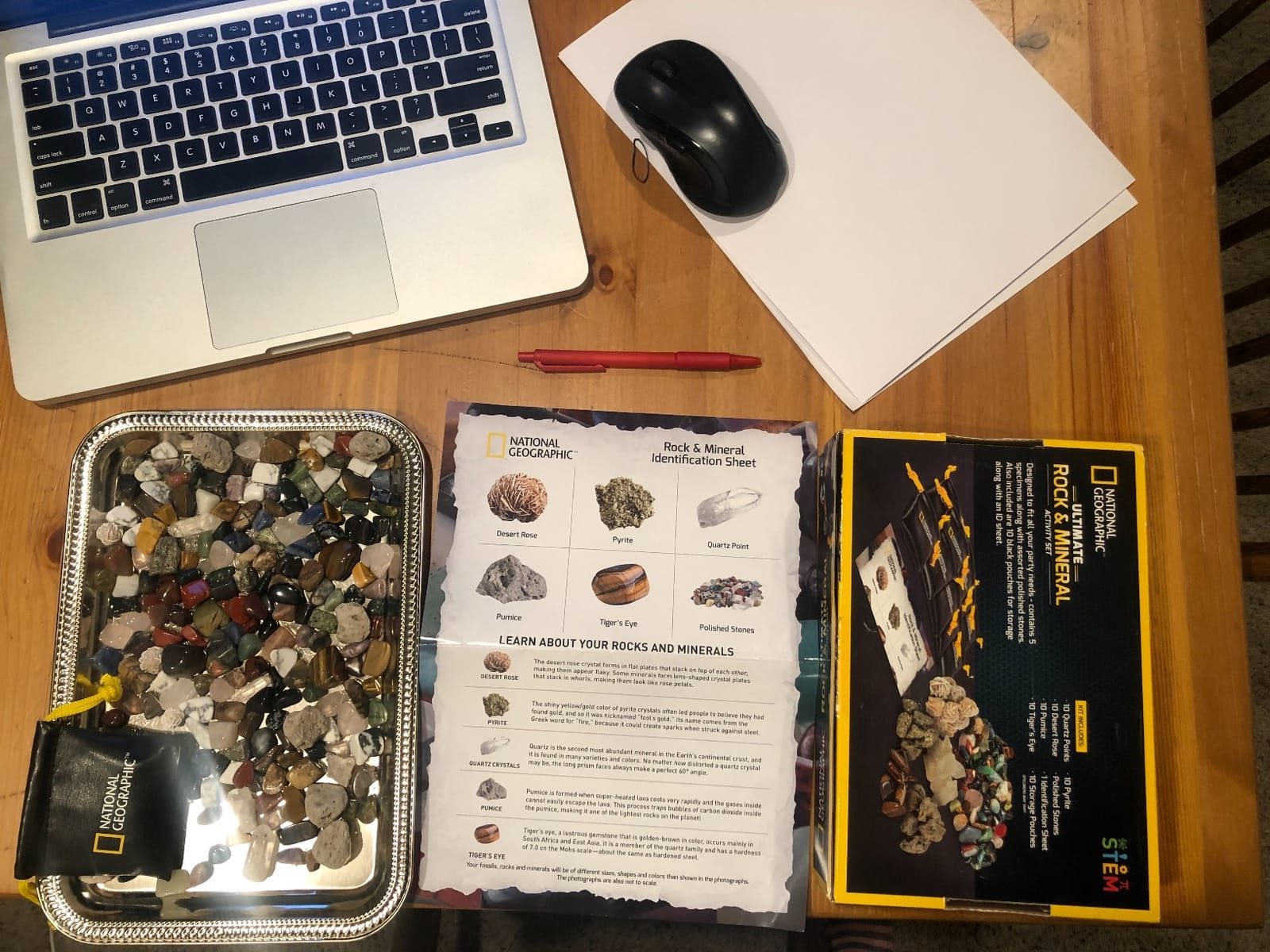
The selection skews toward common, identifiable rocks – quartz, calcite, feldspar, mica, and a handful of fossils. Teachers in our test group said this works better for identification lessons than highly exotic specimens because students can actually find similar rocks on local field trips.
There are no streak plates, magnets, or hand lenses. For classroom identification activities, you would need to add a separate testing kit like the EISCO 7-piece option.
Built for sharing
Individual sharing packs make classroom distribution simple. No more arguing over who gets the cool rocks.
Pair with testing tools
For full identification lessons, add an EISCO testing kit to the classroom set. The two kits complement each other without overlapping.
9. Geosciences Industries Mineral Identification Kit – Best Premium Labeled Set
Geosciences Industries-92373 Mineral Identification Kit, Rock Samples for Studying Geology and Earth Science (Set of 20)
20 labeled specimens
Study guide included
Professional-grade reference set
Pros
- Each specimen is professionally labeled with name and properties
- study guide is college-level quality
- durable storage case
Cons
- Highest price in our roundup
- only 20 specimens for the cost
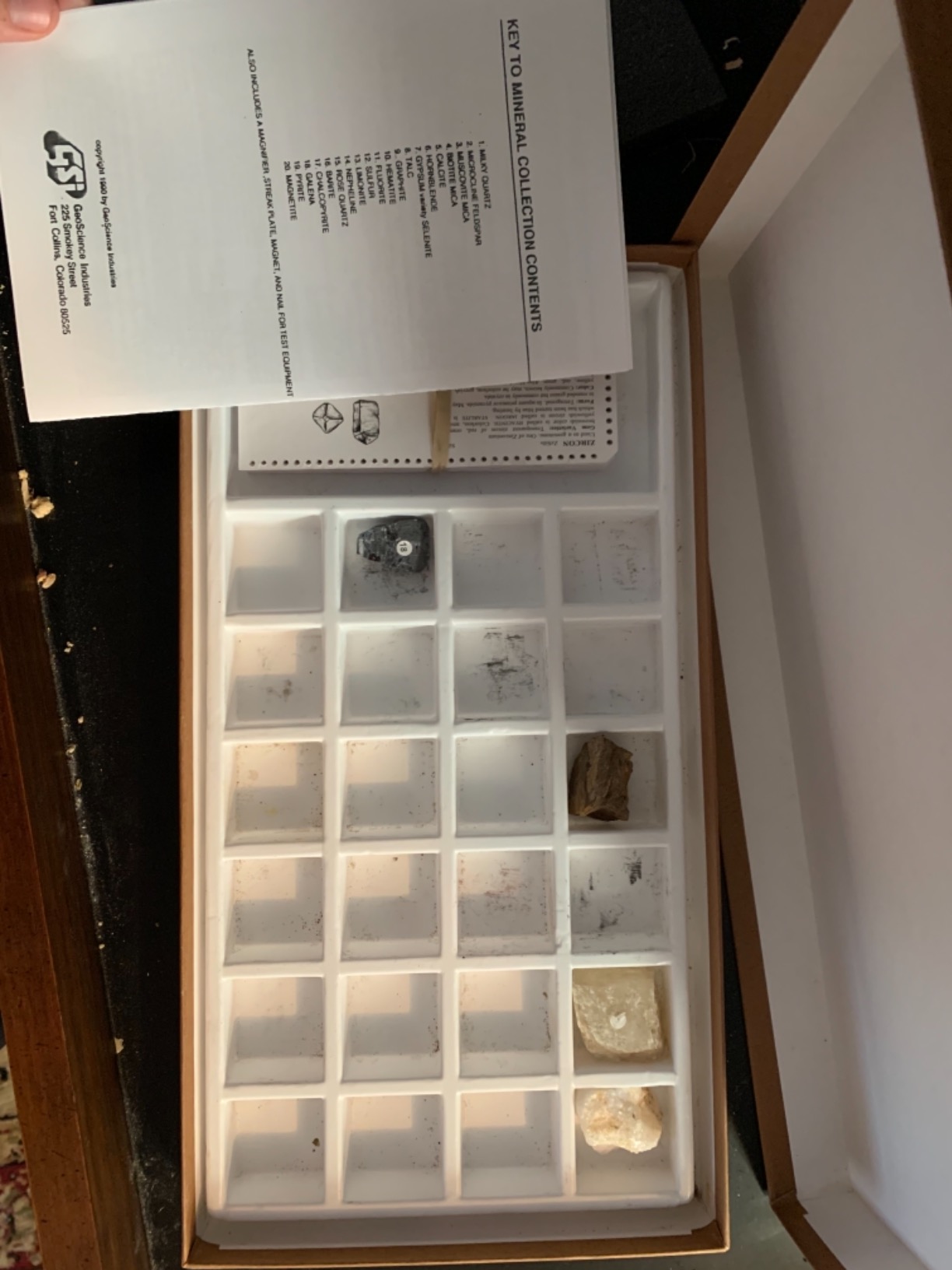
The Geosciences Industries kit sits at the premium end of our roundup, and the quality reflects it. Every one of the 20 specimens comes with a permanent label printed with the rock name and a number that maps to the study guide. This is the format used in college geology labs.
For a serious beginner or hobbyist who wants a reference set rather than a sample collection, this is the kit to beat. The study guide covers identification properties in real depth, and the specimen selection focuses on the rocks you will encounter most often in the field.
The trade-off is volume. Twenty specimens is the smallest count in our roundup, and the price is the highest. You are paying for labeled quality rather than bulk variety. Our team agreed this is a “second kit” purchase for someone who already has a starter set.
For educators building a classroom reference library or a hobbyist who wants a permanently identified display collection, the value equation works. For a casual beginner or a child, the price is hard to justify.
When labeled specimens matter
Labeled reference sets let you compare unknown finds against known samples. This is how real geologists learn identification, and the format accelerates learning significantly.
Not for casual buyers
Casual beginners get more value from the 250-piece National Geographic or Dan&Darci kits at a fraction of the cost.
10. 36pc Rock & Mineral Collection Kit – Best Portable Option

36pc Rock & Mineral Collection Kit for Kids, STEM Earth Science Set
36 specimens
Sourced from 30+ countries
Includes portable storage box
Pros
- Portable hard case protects specimens during travel
- internationally sourced variety
- compact display
Cons
- Limited educational materials
- fewer specimens than mid-range kits
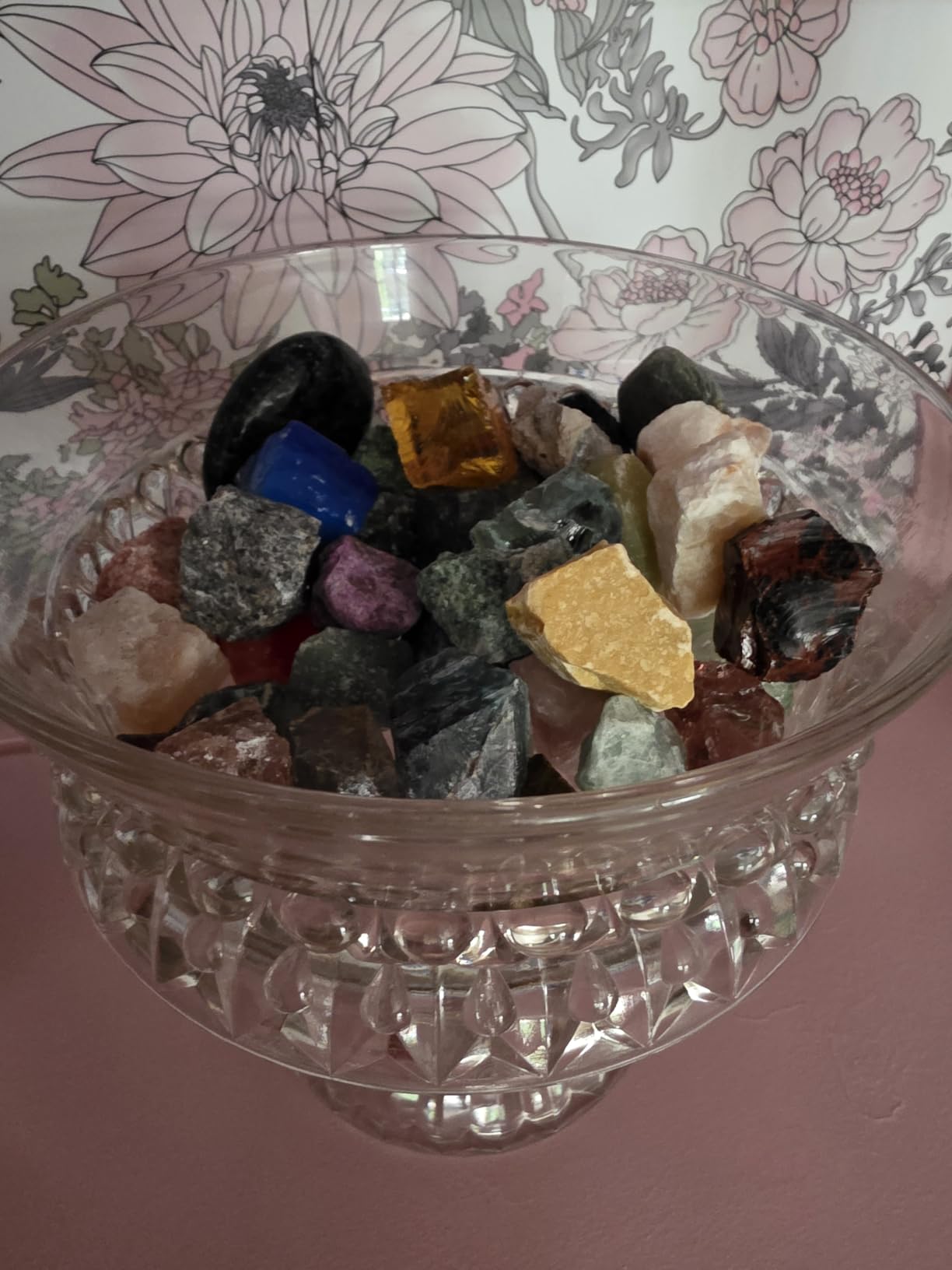
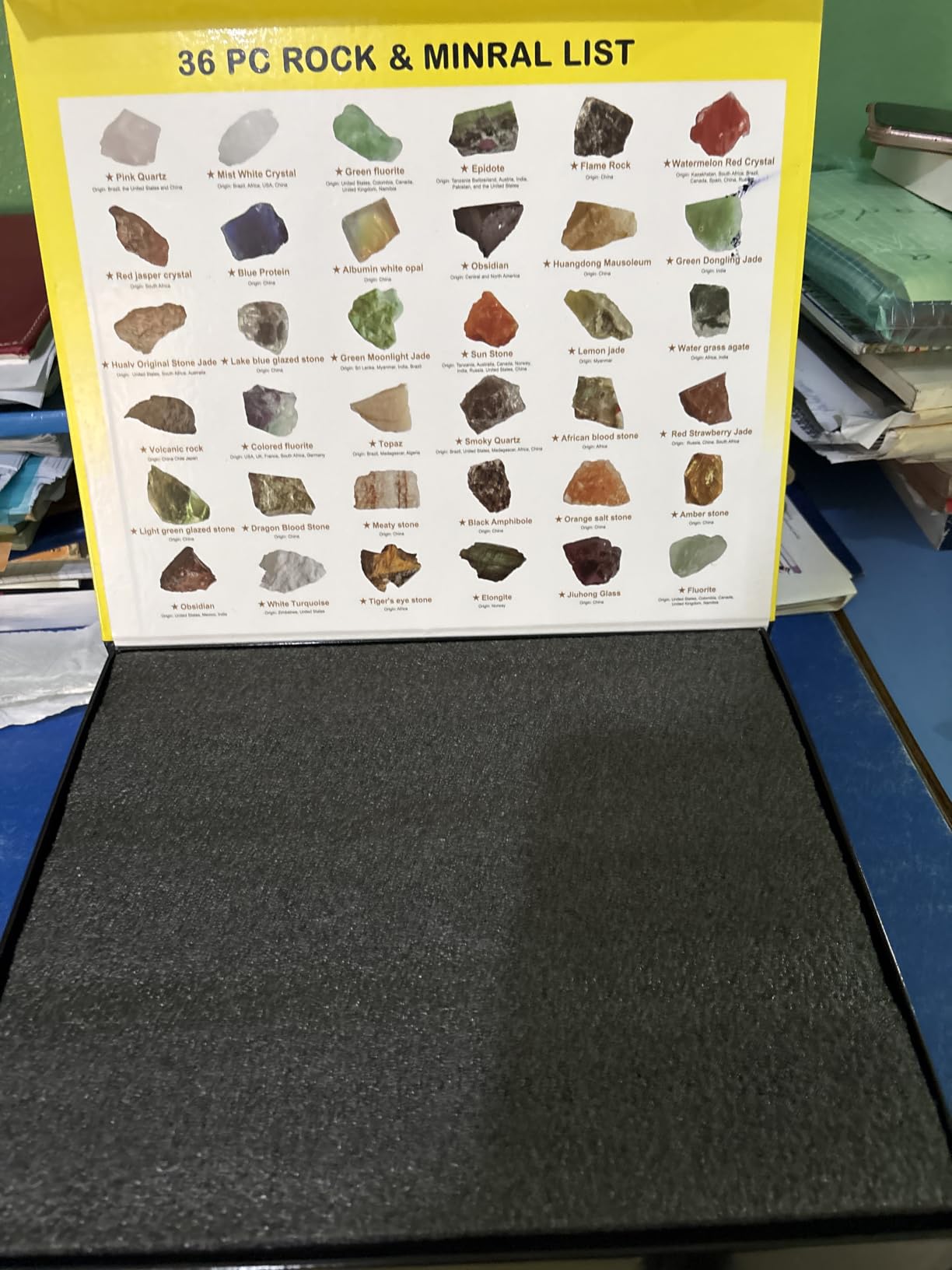
The 36-piece BTYCityMao kit is the most portable option in our roundup. The hard storage case has foam inserts that hold each specimen in place, so the kit travels well in a backpack or suitcase. Our team took it on a 3-day field trip with no specimen damage.
The international sourcing is a nice touch – specimens come from 30+ countries, which gives geographic variety that most domestic kits lack. You get pieces like Afghan lapis, Brazilian agate, and Mexican obsidian alongside more common finds.
The educational materials are basic. There is an identification sheet, but it does not teach systematic testing methods. For a beginner who wants to learn the science behind identification, the National Geographic Rock Box kit with the Absolute Expert book is a better pick.
For a gift for a curious kid who wants to show off their collection at school or take rocks on the go, this kit works well. The case doubles as a display.
Portable case quality
The hard foam-lined case is the standout feature. Specimens stay organized and protected even when the kit gets tossed in a backpack.
Limited educational depth
The included materials name specimens but do not teach identification methods. Pair this kit with a field guide if learning is the priority.
How to Choose the Right Rock and Mineral Identification Kit?
Choosing the right beginner geology kit depends on what you actually want to do with it. Are you collecting pretty rocks to display, or are you trying to learn the systematic identification methods that geologists use? The answer changes which kit makes sense.
Understanding the Mohs Hardness Scale
The Mohs hardness scale ranks minerals from 1 (talc, scratches with a fingernail) to 10 (diamond, scratches everything). This is the single most useful test a beginner can learn because hardness is one of the most reliable identification properties.
A fingernail scores about 2.5, a copper penny scores 3.5, a steel nail scores 5.5, and glass scores 5.5. With those four references plus a streak plate, you can narrow down most common minerals. Forum rockhounds consistently recommend proper Mohs test kits over DIY nail-based testing because nails vary in hardness and produce inconsistent results.
Essential Tools Every Kit Should Include
The minimum tool set for real identification is a streak plate, a hand lens, a magnet, and hardness references. The EISCO 7-piece kit covers all of these. Without these tools, you are really just collecting rather than identifying.
A good hand lens should magnify at least 10x. Anything weaker makes it hard to observe crystal structure and grain details that matter for identification. Most beginner kits include a 3x or 5x lens, which is fine for younger kids but limiting for serious learners.
Sample Collection Size and Variety
For beginners, 30 to 50 specimens is the sweet spot. Fewer than that and you do not see enough variety to learn patterns. More than 100 and individual pieces get lost in the noise. Bulk 250-piece kits are great for sharing but overwhelming for solo study.
Variety matters more than count. A kit with 30 well-chosen specimens that cover the three rock types and key minerals teaches more than a kit with 300 random rocks.
Age-Appropriate Kit Selection
For ages 6 to 8, focus on kits with break-open geodes, large specimens, and visual learning guides. The National Geographic 300+ kit fits this age range well.
For ages 9 to 12, look for kits with identification flowcharts and ID cards. The PIBEX 54-piece kit and the 30-piece learning kit both work well.
For teens and adults, prioritize kits with real testing tools and serious field guides. Pair the EISCO testing kit with the National Geographic Rock Box and Absolute Expert book for the most complete beginner setup.
Complete Kit vs. DIY Approach
A common question in rockhounding forums is whether to buy a complete kit or assemble your own tools. Our team found that complete kits win for beginners because the curation removes guesswork. Once you know what you are doing, building your own toolset from specialized sources like Mineralab makes sense.
For a true beginner in 2026, start with a complete kit. You will learn faster from curated samples than from random rocks you found yourself, and the included learning materials save you from buying separate guides upfront.
Frequently Asked Questions
What is the best rock identification guide?
For beginners, the National Geographic Absolute Expert Rocks and Minerals book is the most accessible and thorough option. It covers identification methods, key properties, and has high-quality specimen photos. Pair it with the National Geographic Rock Box kit for a complete beginner setup. For more advanced study, the Audubon Society Field Guide to Rocks and Minerals is another strong choice that experienced rockhounds frequently recommend.
How do you learn to identify rocks and minerals?
Start by learning the three rock types (igneous, sedimentary, metamorphic) and the Mohs hardness scale. Then practice the four core tests: hardness, streak, magnetism, and acid reaction. Use a streak plate, hand lens, and a small magnet on every specimen you collect. Compare your test results against a field guide or labeled reference set to identify each rock. Consistent practice with 30 to 50 specimens teaches more than reading about hundreds of rocks you have never handled.
What is the best free app to identify rocks and minerals?
Google Lens and RockCheck are popular free options that use your phone camera to suggest identifications based on visual features. However, apps cannot perform physical tests like hardness or streak, so they work best as a starting point rather than a final answer. For reliable identification, combine an app with a physical testing kit like the EISCO Mineral ID Kit and a good field guide.
What does vinegar do to rocks?
Vinegar is used to test for carbonate minerals. When you place a drop of vinegar (or dilute hydrochloric acid) on a mineral like calcite or limestone, it fizzes and releases carbon dioxide gas. This is one of the classic acid reaction tests used in mineral identification. Most kits like the EISCO Mineral ID Kit include a dropper bottle for this purpose. Vinegar works on calcite but not on quartz or feldspar, which helps narrow down identification.
What tools do I need to identify rocks and minerals?
The four core tools are a streak plate (unglazed porcelain), a hand lens (10x magnification is ideal), a small magnet, and hardness references (Mohs test picks or a nail, copper, and glass plate). A dropper bottle with dilute acid rounds out a complete test kit. The EISCO Mineral ID Kit includes all of these in one package and is the best entry-level tool set for beginners who want to learn real identification methods.
Final Thoughts on Rock and Mineral Identification Kits
After testing these ten kits side by side, my top pick for most beginners is the National Geographic Rock Collection with 300+ Gemstones because it balances specimen variety, hands-on activities like break-open geodes, and the trusted educational brand at an accessible price. If you want to learn real testing methods rather than just collect rocks, add the EISCO Mineral ID Kit to your starter set. Together, they cover both the sample collection and the identification tools you need to actually learn geology in 2026.
Rockhounding is one of the most rewarding outdoor hobbies you can start with a small investment. The right rock and mineral identification kit gives you the tools, samples, and reference materials to turn a simple walk into a treasure hunt, and to turn every find into a learning moment.