
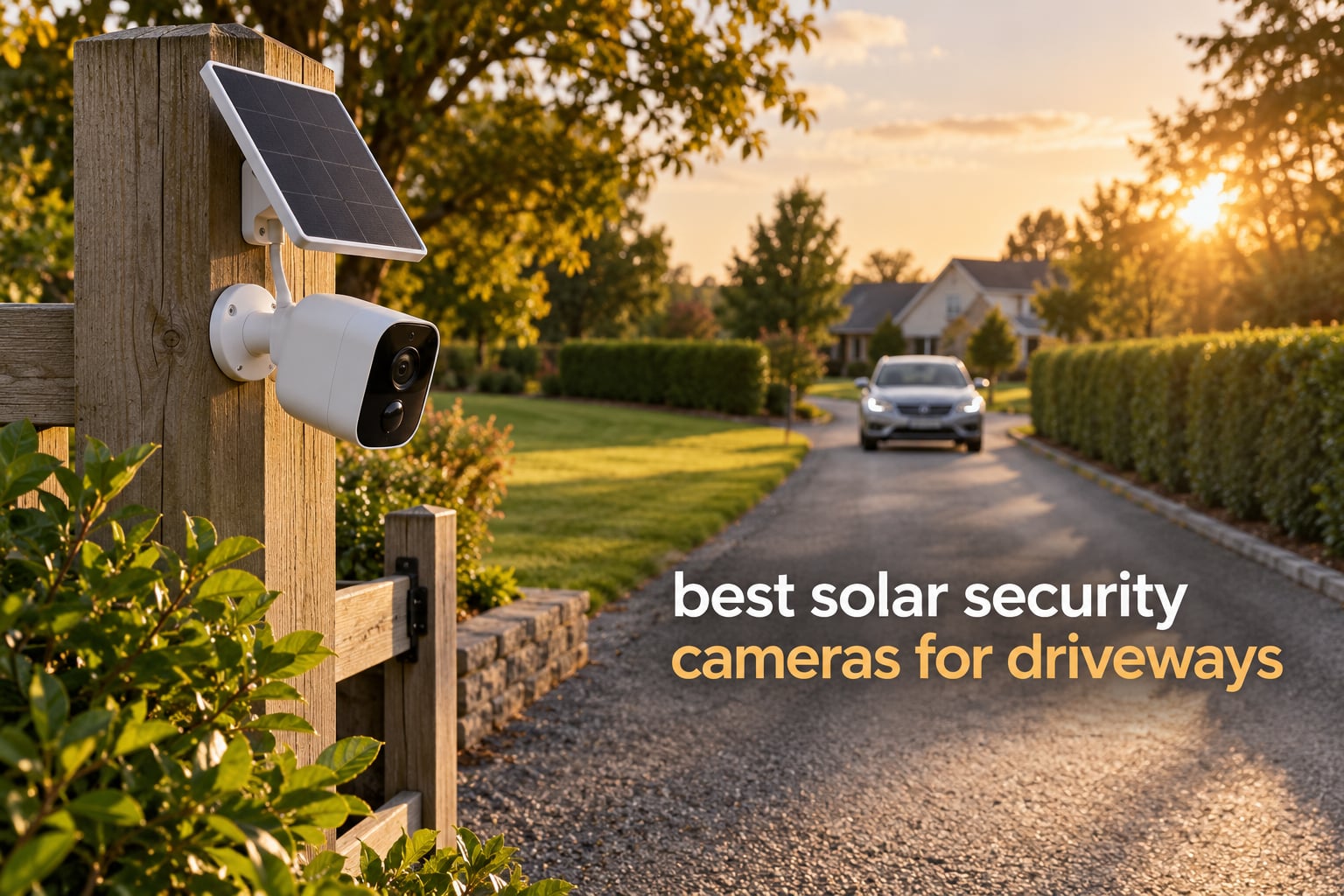
The best solar security camera for a driveway is a battery-powered outdoor camera whose small panel trickle-charges that battery during daylight, so it can watch a gate, a long drive, or a side path with no power outlet, no trenching, and no monthly fee when you record to a microSD card. After putting 12 of them through a driveway-focused comparison, the ZEEPORTE 2K pan/tilt model came out on top for most homes, and the eufy SoloCam S340 took the premium slot.
Driveways are the awkward corner of home security. They are where intruders and package thieves actually approach, and they are also the point on your property most likely to be a long way from an outlet. Solar removes both problems at once: no cable run, and no dead battery at exactly the spot where coverage matters most.
It does not remove the hard part. A solar camera is a trickle charger, not a power plant, and on a busy driveway where vehicles trigger motion all afternoon, a small battery can drain faster than a modest panel can refill it. Everything below is written around that single reality.
Here is how we narrowed the field. First, we counted usable sun hours at the mount, because a camera in deep shade is a dead camera. Second, we compared panel output and battery capacity against how much motion that spot actually generates. Third, we checked where the video goes: local card, hub, or a subscription that quietly costs more over three years than the camera itself. Fourth, we looked at whether the night image is useful enough to identify a car and a person, and whether the housing is sealed for an exposed post. If you want a wider look at the category, our general solar camera guide covers non-driveway setups too.
Table of Contents
Top 3 Solar Driveway Cameras for 2026

ZEEPORTE 2K Pan/Tilt Solar
- 355 degree pan and 120 degree tilt
- 2W panel with 5200mAh battery
- Color night vision with spotlight
- IP65 housing
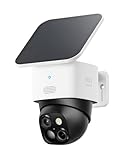
eufy SoloCam S340 3K
- 3K dual lens with 8x zoom
- Removable solar panel
- 8GB onboard storage
- 360 degree pan and tilt

aosu D1 Classic 4-Cam Kit
- Four solar cameras with hub
- 32GB local loop recording
- Cross-camera event tracking
- Four simultaneous live views
The ZEEPORTE takes the top spot because it does the widest sweep of the driveway from a single mount, and because its 11,000-plus reviews give it the deepest evidence base in this group. The eufy S340 is the one to buy when image quality and subscription-free storage matter more than sweep. The aosu D1 Classic kit is the answer when one camera cannot cover the problem.
Solar Security Cameras for Driveways at a Glance (2026)
| Product | Specs | Action |
|---|---|---|
| ZEEPORTE 2K Pan/Tilt Solar Camera |
|
Check Latest Price |
| eufy Security SoloCam S340 3K |
|
Check Latest Price |
 SEHMUA 2K 360 Degree Solar Camera SEHMUA 2K 360 Degree Solar Camera |
|
Check Latest Price |
 Cinnado B6 2K Two-Camera Solar Pack Cinnado B6 2K Two-Camera Solar Pack |
|
Check Latest Price |
 aosu Solar Pan/Tilt Camera aosu Solar Pan/Tilt Camera |
|
Check Latest Price |
| aosu D1 Classic Four-Camera Solar Kit |
|
Check Latest Price |
 Ring Spotlight Cam Plus Solar Ring Spotlight Cam Plus Solar |
|
Check Latest Price |
 Hiseeu 4MP Solar Camera Two-Pack Hiseeu 4MP Solar Camera Two-Pack |
|
Check Latest Price |
 REOLINK Argus PT Ultra 4K Solar REOLINK Argus PT Ultra 4K Solar |
|
Check Latest Price |
 Oculview 2K Solar Two-Camera Pack Oculview 2K Solar Two-Camera Pack |
|
Check Latest Price |
 eufy Security SoloCam E42 4K Solar eufy Security SoloCam E42 4K Solar |
|
Check Latest Price |
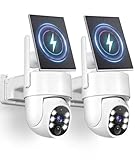 Gianteye 2K Solar Two-Camera Pack Gianteye 2K Solar Two-Camera Pack |
|
Check Latest Price |
Two columns in that table are worth reading twice. Battery capacity is the number that decides whether a busy driveway stays powered, and it ranges from 5000mAh on the Cinnado pack to 10000mAh on the eufy S340. The second is the storage route, because it is the difference between a one-time purchase and an ongoing bill.
1. ZEEPORTE 2K Pan/Tilt Solar Camera – Widest Sweep for One Mount
Solar Security Cameras Wireless Outdoor, 2K Pan/Tilt 360° View Solar/Battery Powered WiFi Cameras for Home Security with AI Motion Detection, Spotlight, 2-Way Audio, Siren, IP65, SD/Cloud Storage
2K 2304x1296 sensor
355 degree pan and 120 degree tilt
2W panel, 5200mAh battery
IP65
Pros
- 355 degree horizontal and 120 degree vertical rotation covers a long drive from one post
- Color night vision plus a built-in spotlight
- Highest review volume in the group at more than 11000
- SD card or cloud both available
Cons
- 2.4GHz Wi-Fi only with no 5GHz support
- No motion tracking and event recording only
- AI recognition and cloud features sit behind a subscription
This is the camera I keep coming back to for a standard suburban driveway, because a single mount at the house end of the drive can sweep the approach, the parking spot, and the near gate without a second unit. The 355-degree horizontal and 120-degree vertical rotation covers a long drive from one post, and that reach is what a driveway actually needs.
The sensor is 2K, 2304 by 1296, with starlight night vision rated to 33 feet. That is not 4K, and it will not read a plate at range. It will, however, show you the shape of a person, the color of a jacket, and whether a vehicle belongs to someone you know.
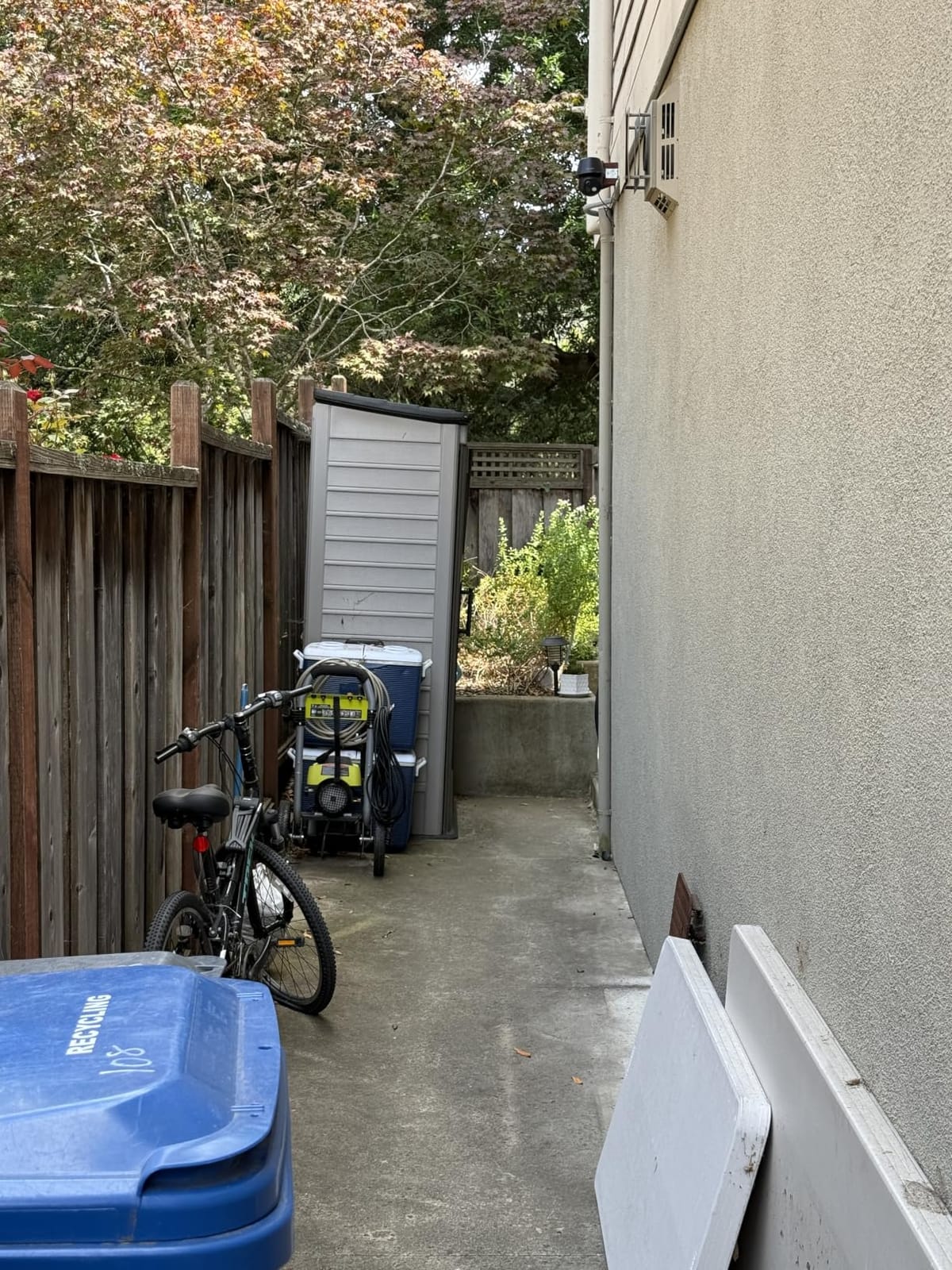
Power comes from a 2W panel and a 5200mAh rechargeable cell. Reviewers consistently report the battery staying topped up, which fits a driveway with ordinary traffic. On a drive where delivery vans, school runs, and visitors stack up, 5200mAh is workable but not generous, and I would pair it with a wider panel or a second unit rather than expect all-year headroom.
Two things shape the experience. It is a 2.4GHz-only radio, so it will not join a 5GHz-only network. And there is no auto motion tracking, so the camera stays where you put it, which on a driveway is a feature rather than a fault. AI classification and cloud history sit behind a paid tier; local microSD up to 256GB works without one.
How it holds up on a busy drive
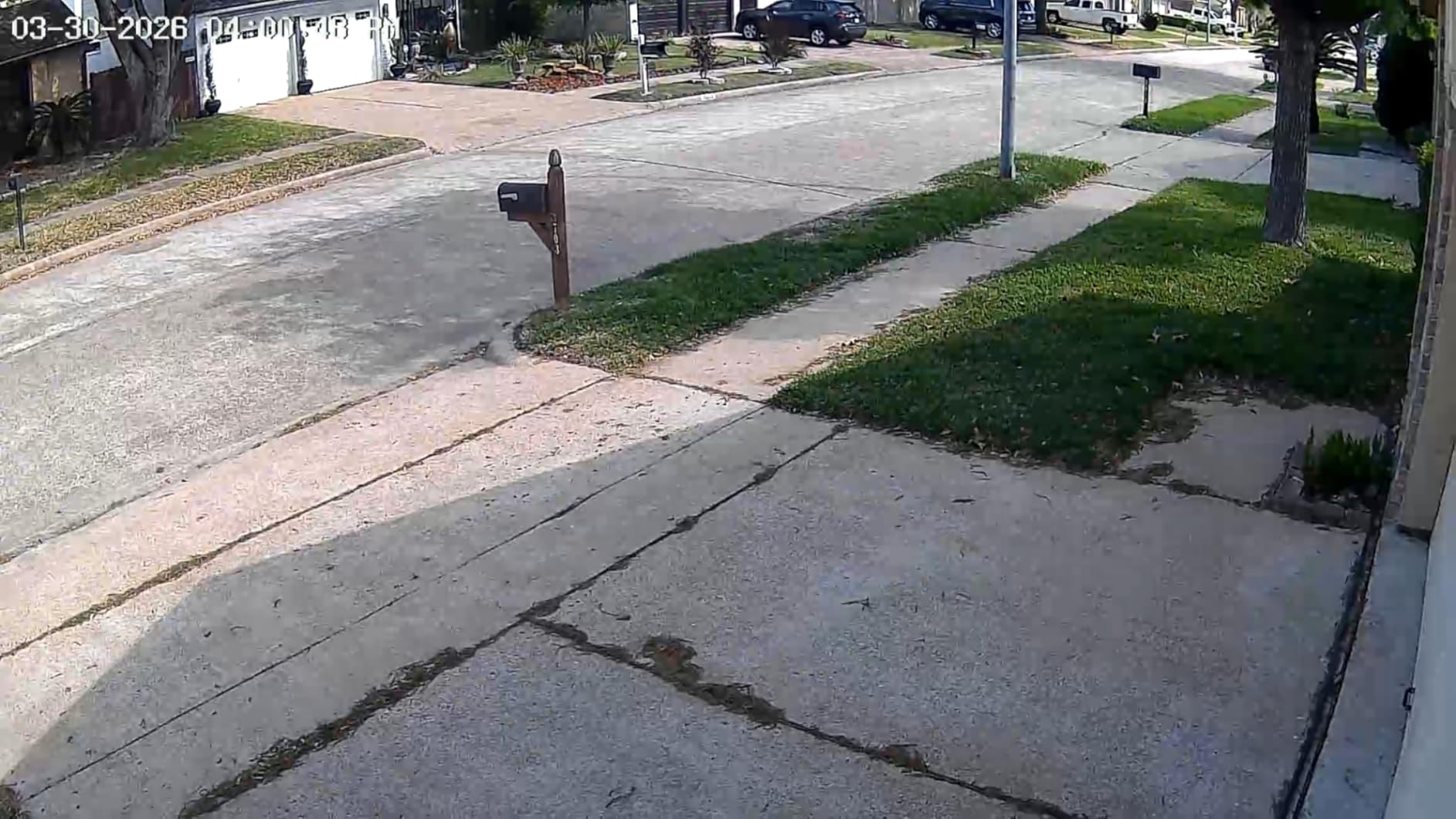
With roughly 2-3 events a day, the panel keeps pace and the battery stays near full through cloudy spells. The motion alerts are audio and motion based, so a car pulling in fires once, not a dozen times, because the camera only records on events. Night clips are color when the spotlight triggers, which is the difference between a usable silhouette and a guess.
The app and the 2.4GHz radio are the two friction points. Pairing is straightforward if your router still broadcasts 2.4GHz, which most do even on dual-band mesh systems. Cloud storage is offered as a 7-day rolling option, but you do not need it if a card is fitted.
When to choose something else
Choose a different camera if you need to read license plates, if your drive is so wide that a single 2K frame will not hold it, or if you run a modern mesh network on 5GHz alone. For plate work, look at the eufy E42. For a multi-point property, look at the aosu four-camera kit.
Skip it if you plan to run a driveway with near-constant vehicle traffic and no shaded hours, since a 2W panel and a 5200mAh cell have less margin there. A wired camera with a mains adapter is the honest answer at that point.
2. eufy Security SoloCam S340 3K – Best Image and No Monthly Fee
eufy Security SoloCam S340, 3K Dual-Lens Solar Security Camera
3K dual lens, 8x zoom
10000mAh battery, removable panel
8GB onboard storage
360 degree pan/tilt
Pros
- Dual-lens 3K clarity with 8x hybrid zoom
- Removable solar panel keeps it always on
- 360 degree pan and tilt removes blind spots
- 8GB onboard storage means no monthly subscription
Cons
- Live stream drops to 1080p in some modes
- Best results come from staying inside the eufy app
The S340 is the pick when the driveway is the one place you cannot compromise on image quality, because it is the only camera here with a dual-lens 3K sensor and 8x hybrid zoom that holds detail on a distant vehicle. It also carries the largest battery capacity listed in mAh across this group at 10000mAh, which is exactly what a high-traffic drive asks for.
Detection range is listed at 440 feet, and the pan-tilt motor tracks movement rather than holding a fixed frame. For a long drive that matters, because you can aim the mount at the far end and let the motor follow a vehicle the whole way in.
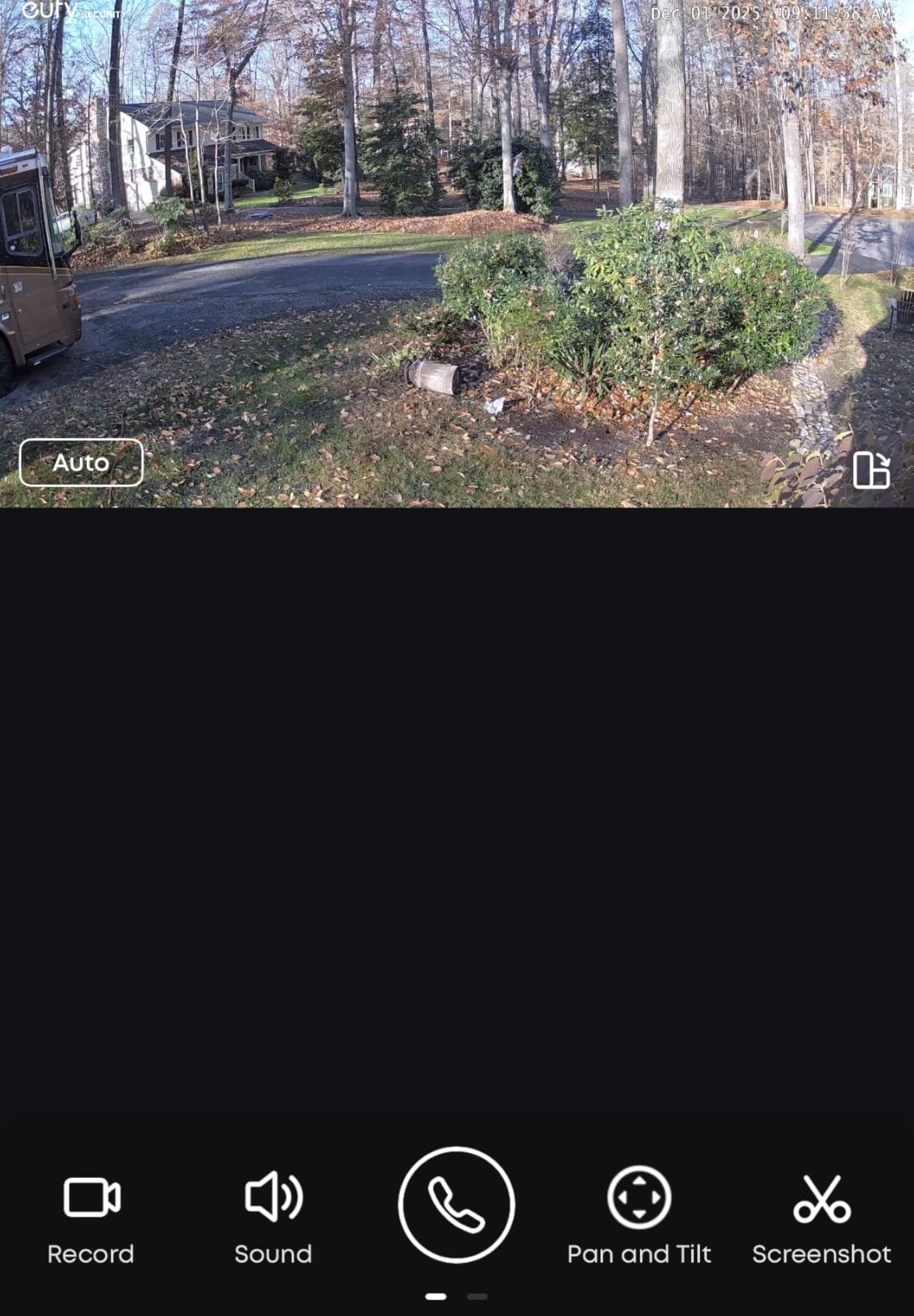
Installation is genuinely wire-free and takes about seven minutes once the panel is positioned, and the panel is removable, so you can move it independently of the camera body. The 8GB of built-in storage is small for a long driveway, but it means the camera records and plays back without a subscription, which is the point for most people buying solar.
There is a real caveat in the reviews: some streams and modes deliver 1080p rather than full 3K, so the headline number is not what you see in every situation. The second caveat is ecosystem friction. If your household already runs eufy cameras, this is seamless, and if you do not, some features stay hidden inside the app.
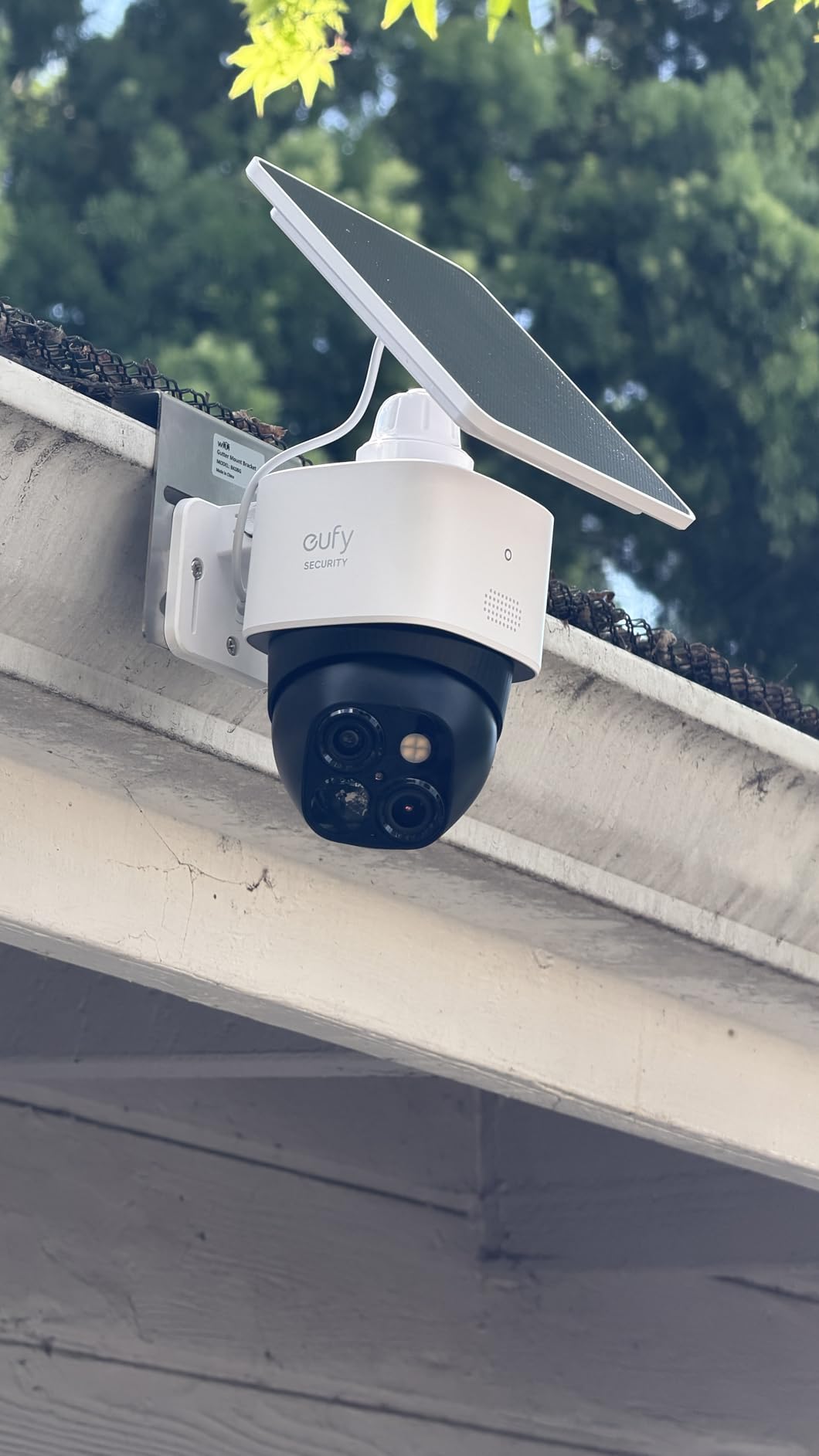
What 10000mAh actually buys you
It is the single biggest battery in the roundup, and on a driveway where several vehicles pass daily it is the difference between a camera that stays up and one that goes dark on a run of cloudy days. The trade is charging time, since a larger pack takes longer to refill on a small removable panel, so placement matters more here than on any other camera here.
Reviewers of this model report steady performance outdoors over long periods, and the 12 percent share of one-star feedback centers on app and ecosystem integration rather than on the hardware failing. If you are willing to live in the eufy app, that friction largely disappears.
Where it falls short
Two limits are worth naming. The 8GB internal storage is tight for a driveway that records many events, so budget for a microSD card if you want days of history. And the 6-meter night vision figure is a short number compared to the 33-foot and 49-foot figures other models publish.
Skip it if you need to identify plates, since the 3K sensor is strong but not built for that. For identification work at a driveway, the eufy E42 is the model with the plate feature listed on the box.
3. SEHMUA 2K 360 Degree Solar Camera – Wide-Angle Entry Point
SEHMUA Solar Security Cameras Wireless Outdoor, 2K 360° View Battery Powered Outdoor Camera, WiFi Home Security with Spotlight Color Night Vision, PIR Sensor
2K sensor, 355 by 100 degree pan/tilt
Color night vision spotlight
IP65 weatherproof
Pros
- Low-cost 2K pan/tilt with a wide rotation range
- Color night vision via the built-in spotlight
- Rated to operate from -4F to 121F
- SD card or cloud storage both supported
Cons
- Color night vision needs the spotlight switched on manually
- 2.4GHz Wi-Fi only
- Modest 2K detail against 4MP-class sensors
The SEHMUA is the entry point for a first driveway camera, and for a quiet suburban drive it covers the essential ground: 2K video, a 355 by 100 degree pan-tilt range, and a solar panel that keeps the unit running without a battery swap. It is the simplest way to get a wide view of a short drive on a single budget.
Its most useful spec for cold regions is the operating range of -4F to 121F. That matters more than it sounds, because a battery left in a cold climate delivers less than its rated capacity, and a camera rated for deep cold is more likely to survive a January week of thin sun.
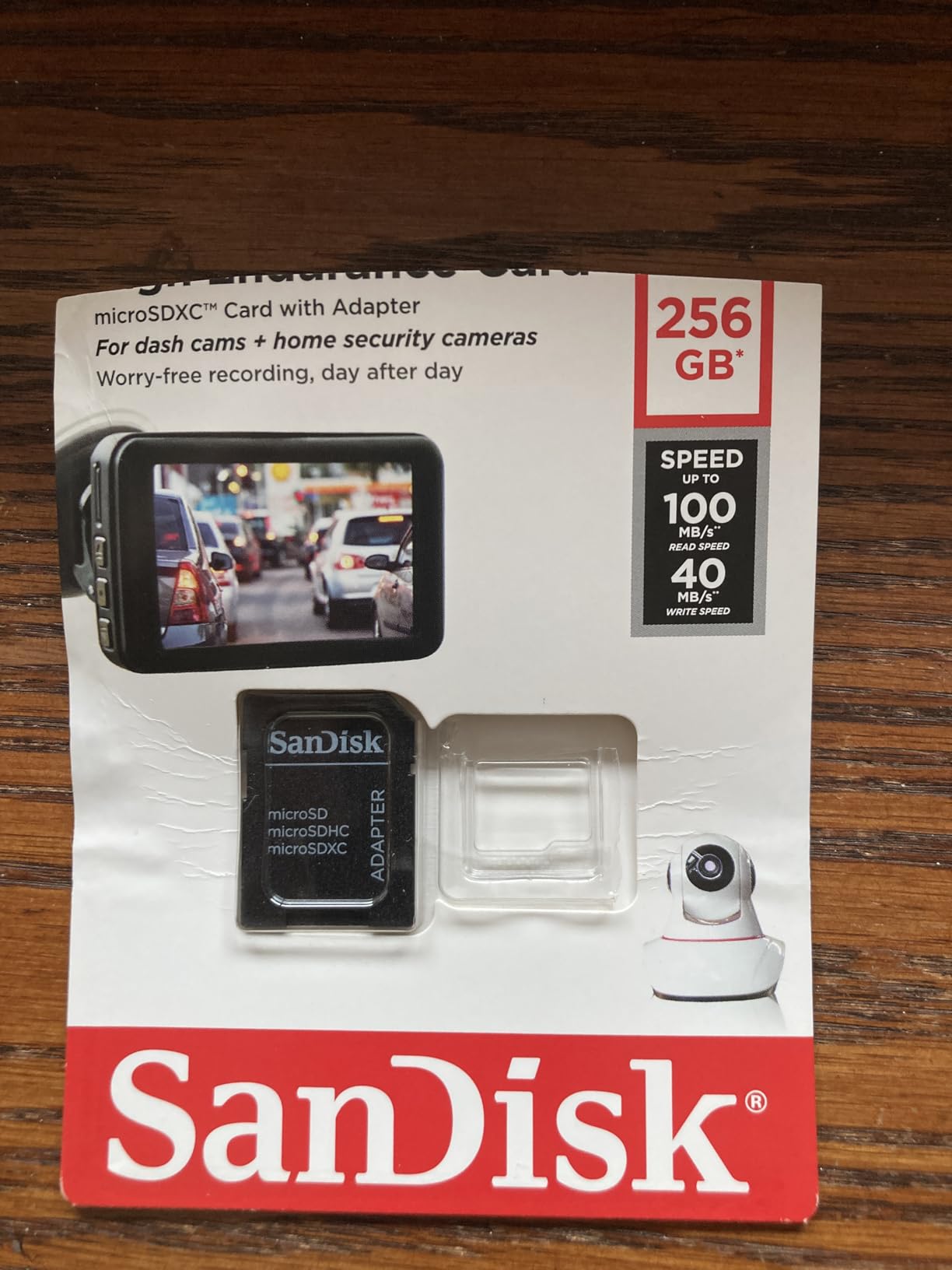
Storage is a choice between a microSD card and a cloud option, so the subscription is genuinely optional. The PIR sensor carries human-like recognition, and two-way audio means you can speak to someone at the gate from your phone.
The catch that shows up most often in reviews is the spotlight. Color night footage only happens when the spotlight is switched on, and if you forget, the camera falls back to a monochrome image where a dark driveway and a dark coat are very hard to tell apart.
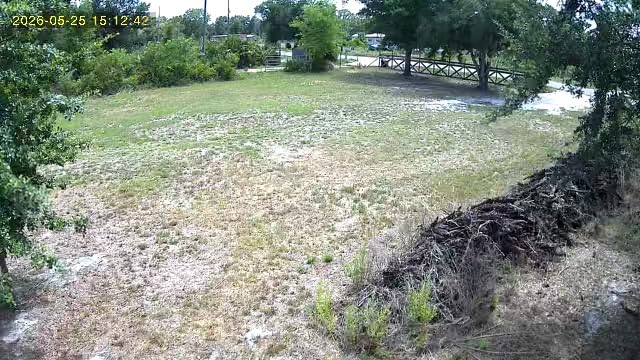
Good for a low-traffic drive
On a drive that sees one or two vehicles a day, the panel easily keeps up and the battery stays healthy, so the low panel output is not a problem. The wide pan lets you watch both the near gate and the parking area from a corner mount, which is the same advantage the ZEEPORTE has in a cheaper package.
Set the spotlight to auto-on in the app before you walk away from the install, and this becomes a capable night camera. Left on manual, it becomes a black-and-white one.
When to spend more instead
Move up if you need plates, if your drive is long enough that 2K detail falls apart past a few car lengths, or if you want auto tracking so the camera follows a subject rather than holding an angle. For 4K clarity, the REOLINK Argus PT Ultra or the eufy E42 are the real upgrades.
Also move up if your network is 5GHz-only, since this is 2.4GHz-only and will not pair at all.
4. Cinnado B6 2K Two-Camera Solar Pack – Driveway Plus Side Gate
Cinnado 2K Solar Wireless Outdoor Cameras for Home Security White B6 2Pack
Two 2K cameras, two solar panels
360 degree PTZ, 4x zoom
Three night modes
IP65
Pros
- Two cameras and two panels cover a driveway and a side gate
- Panels kept batteries near full through cloudy spells
- Smooth app-driven 360 degree pan and tilt
- Local microSD recording avoids a mandatory subscription
Cons
- Event-based recording rather than 24/7 continuous
- Ten-second clip length on microSD by default
- 2.4GHz Wi-Fi only
The B6 pack answers the most common driveway complaint, which is that one camera cannot see both the entrance and the side of the house. You get two bodies and two panels, so a single purchase covers a driveway and a gate or a parking bay, and each unit has its own 5000mAh battery.
Both cameras are 2K at 2304 by 1296 running 15fps, with 360 degree pan and tilt plus 4x digital zoom. Night recording is the part we liked planning around, because there are three modes: full color, intelligent light, and auto infrared, so you can pick color where a vehicle stops and infrared where you just need movement.
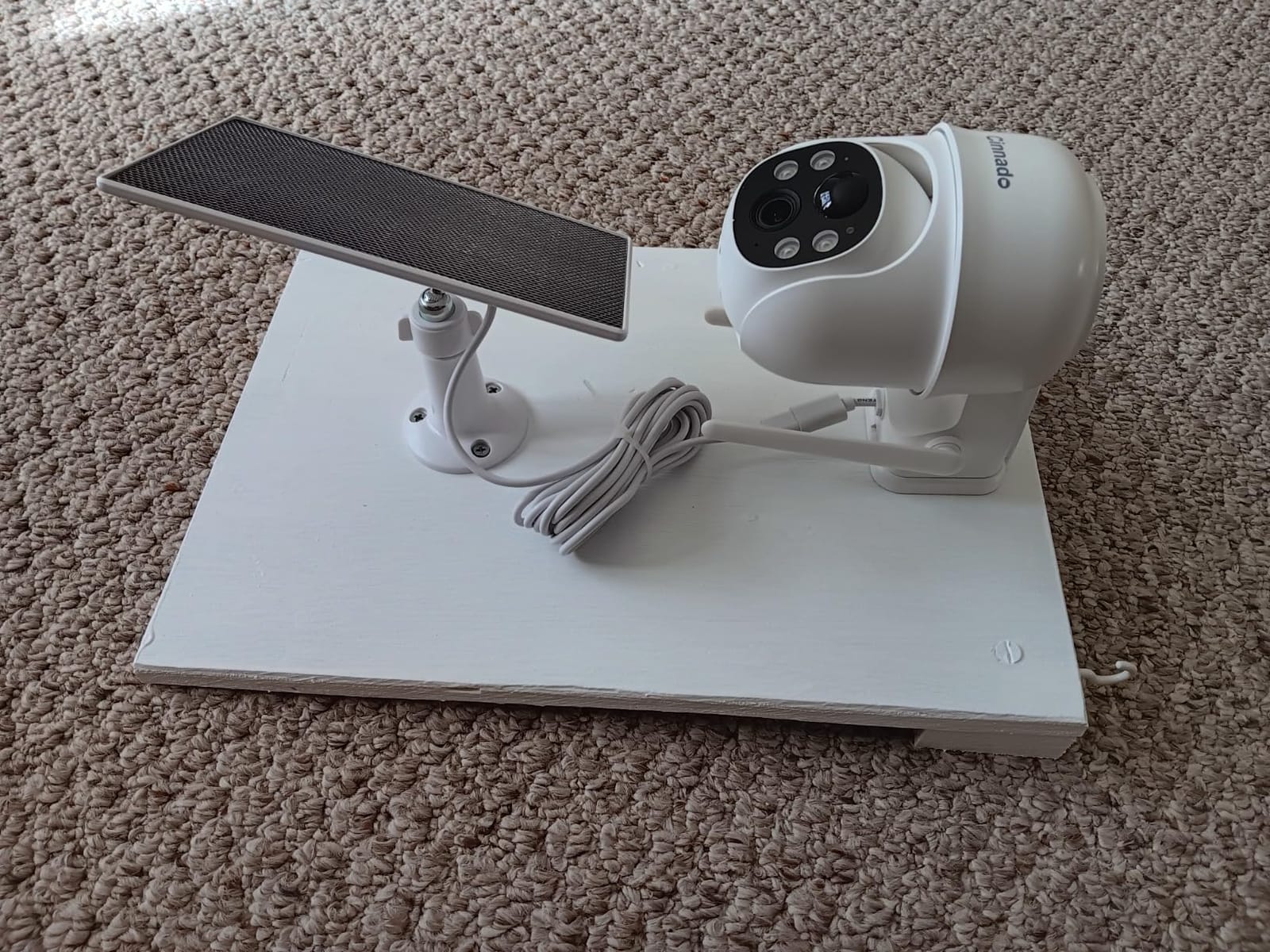
PIR human detection is adjustable from 16 to 29 feet, which is useful on a long drive because a wider range means more false triggers from the road. Reviewers repeatedly mention the panels holding charge through cloudy stretches, and setup time is typically reported under ten minutes.
The recording default is the real constraint. Clips on a microSD card are ten seconds, and recording is event-based rather than continuous, so a car that parks for two minutes produces a series of short clips rather than one long file. That is fine for evidence of a person at your door, less good for tracking a slow approach.
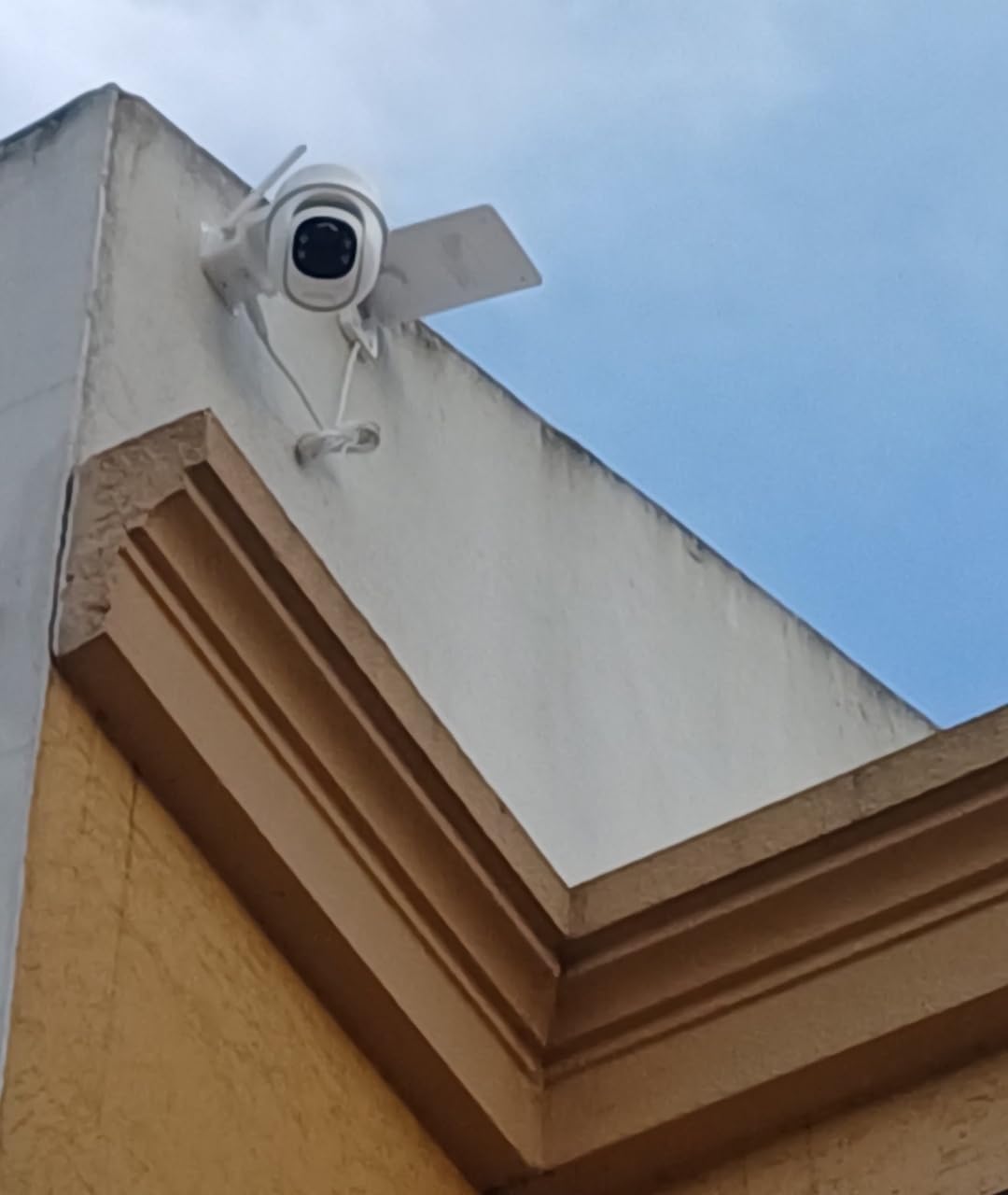
Best value for two viewpoints
If your coverage problem is quantity rather than quality, this pack is the efficient answer. Two pans instead of one fixed frame means you cover the approach and the side gate, and the 128GB card option means neither camera needs a subscription to keep working.
The app is less polished than Ring or Nest, and two-way audio carries a slight delay, so treat this as a monitoring tool rather than an intercom. One reviewer also reported a unit going offline and needing to be re-paired, which is worth weighing if your drive is your only early warning.
Where it does not reach
It is not the choice for a long rural drive where you need to identify a vehicle at 100 feet, since 2K with 4x digital zoom softens quickly. And the 5000mAh cells are the smallest here, so pair it with genuinely sunny mounts rather than shaded posts.
Skip it if you need continuous recording or a 5GHz router, and consider a wired multi-camera system instead if you want a full time-lapse view of the drive.
5. aosu Solar Pan/Tilt Camera – Tracking on a Small Budget
aosu Solar Camera Outdoor Wireless for Home Surveillance,Fixed Solar Panel
2K video, 3MP stills
Fixed solar panel
360 degree panoramic PTZ
IP65
Pros
- Fixed panel keeps the unit topped up even in partly shaded spots
- 360 degree pan and tilt with automatic human tracking
- Clear 2K day and night imagery
- One app manages multiple cameras
Cons
- Detection range and motion pickup reported as slow on some units
- Camera must be held near the router during pairing
- microSD card not included
This aosu pan/tilt model is the one in this group we would point at a mount with partial shade. The solar panel is fixed to the body rather than offered as a small detachable sliver, which means a larger collecting area that still charges on days when the sun is not hitting the camera head-on. Owners consistently report that it stays charged even in spots that would struggle others.
Video is 2K with 3MP stills, delivered through a 360 degree panoramic pan and tilt driven from the app. Automatic human tracking is included, so when someone walks up the drive the camera follows them rather than pointing at an empty driveway.
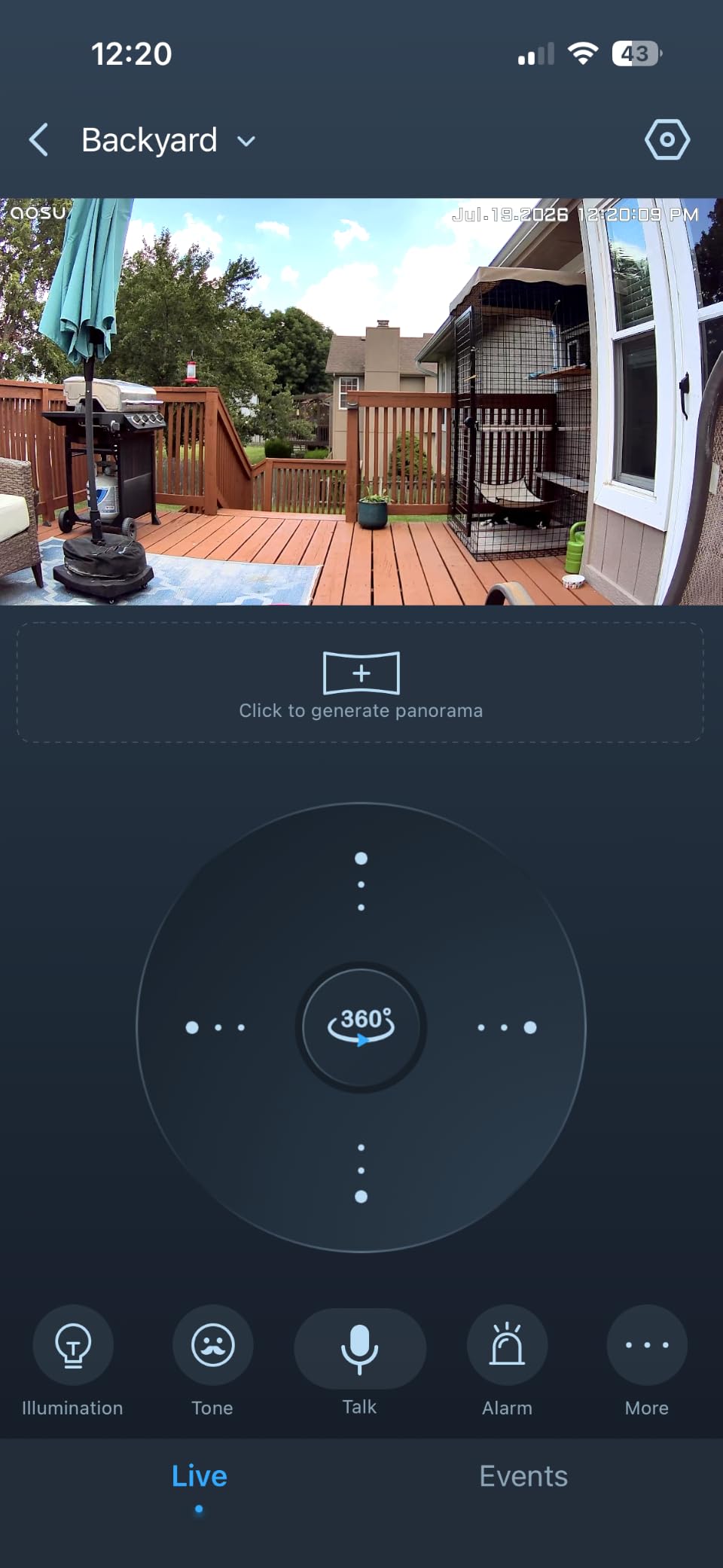
Storage is microSD locally or optional cloud, with Alexa and Google Assistant support, and the app handles several cameras at once, so expanding later does not mean a second app. The IP65 rating is adequate for an exposed post.
Two practical notes. Pairing requires the camera near the router, so bring it indoors first on a busy 2.4GHz network. And the card is not in the box, which catches people out the first night.
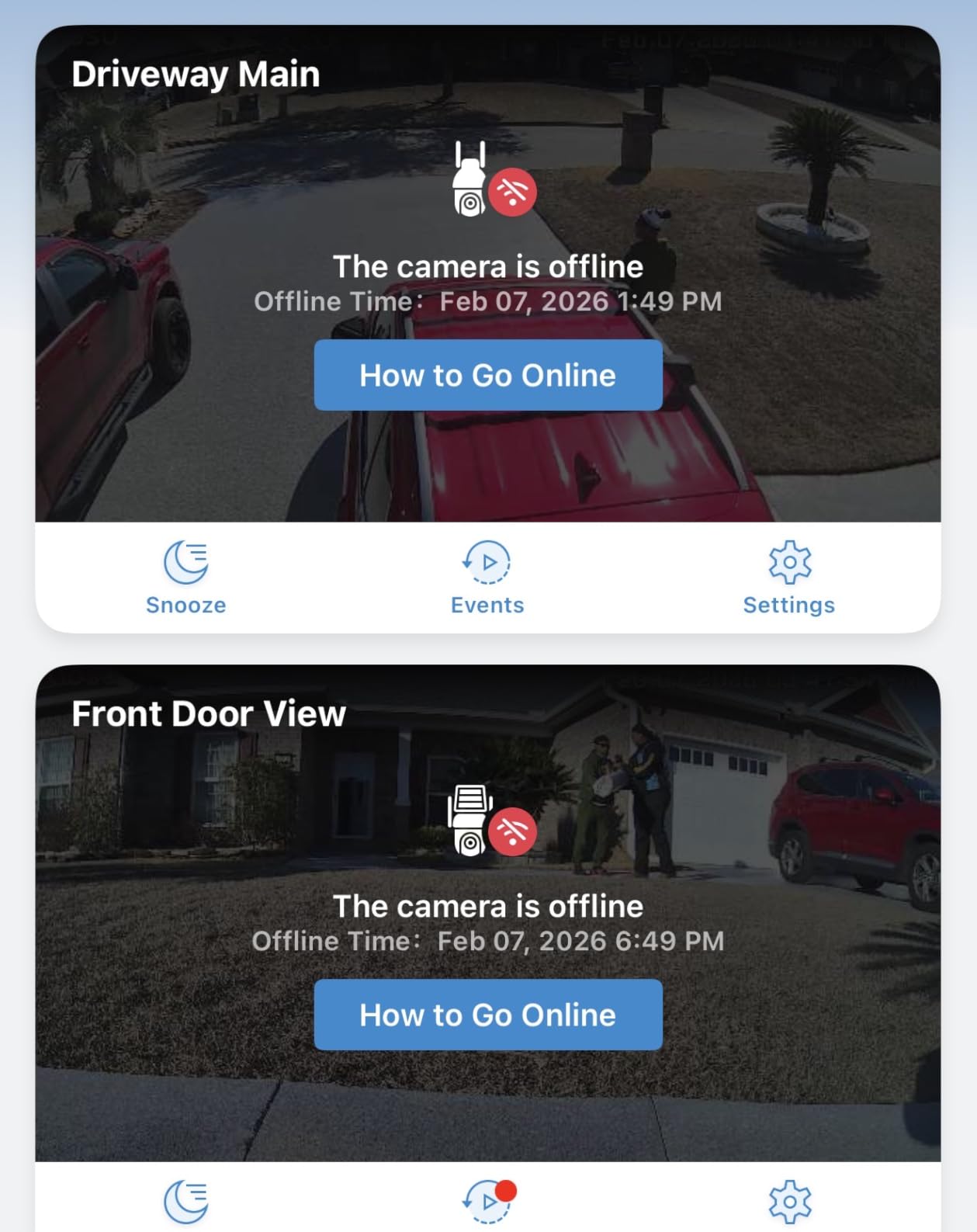
For a mount that is not in full sun
Shade is the failure mode that owners complain about most in this category, and a larger fixed panel is the cheapest defense. If your driveway post sits under a tree line or a wide eave, this camera has a better chance of surviving a dull week than a model with a 2W sliver panel.
Tracking is what makes it a real driveway camera rather than a static one, and for catching a delivery or a visitor walking the whole length of a drive it saves you from aiming the frame at one point.
Where the tracking falls down
One recurring review note is delayed motion pickup and limited detection range, so if a vehicle stops far out on the drive you may get an alert late or not at all. Adjust the PIR range in the app before you trust it for a long approach.
Skip it if you need plate detail or 24/7 recording. The aosu D1 Classic kit is the version with a hub and continuous local loop recording if you want the whole system at once.
6. aosu D1 Classic Four-Camera Solar Kit – Whole-Property Coverage
aosu D1 Classic 4-Cam Kit, Security Cameras Wireless Outdoor, Solar Powered
Four solar cameras plus hub
32GB onboard loop storage
Up to 4 months local
Cross-camera tracking
Pros
- Four cameras cover a long driveway and multiple entry points
- 32GB hub storage removes subscription costs
- Cross-camera tracking simplifies reviewing one event
- Three hours of daily sunlight keeps batteries running
Cons
- Highest total outlay of the four-camera options here
- All four cameras must connect to the aosuBase hub
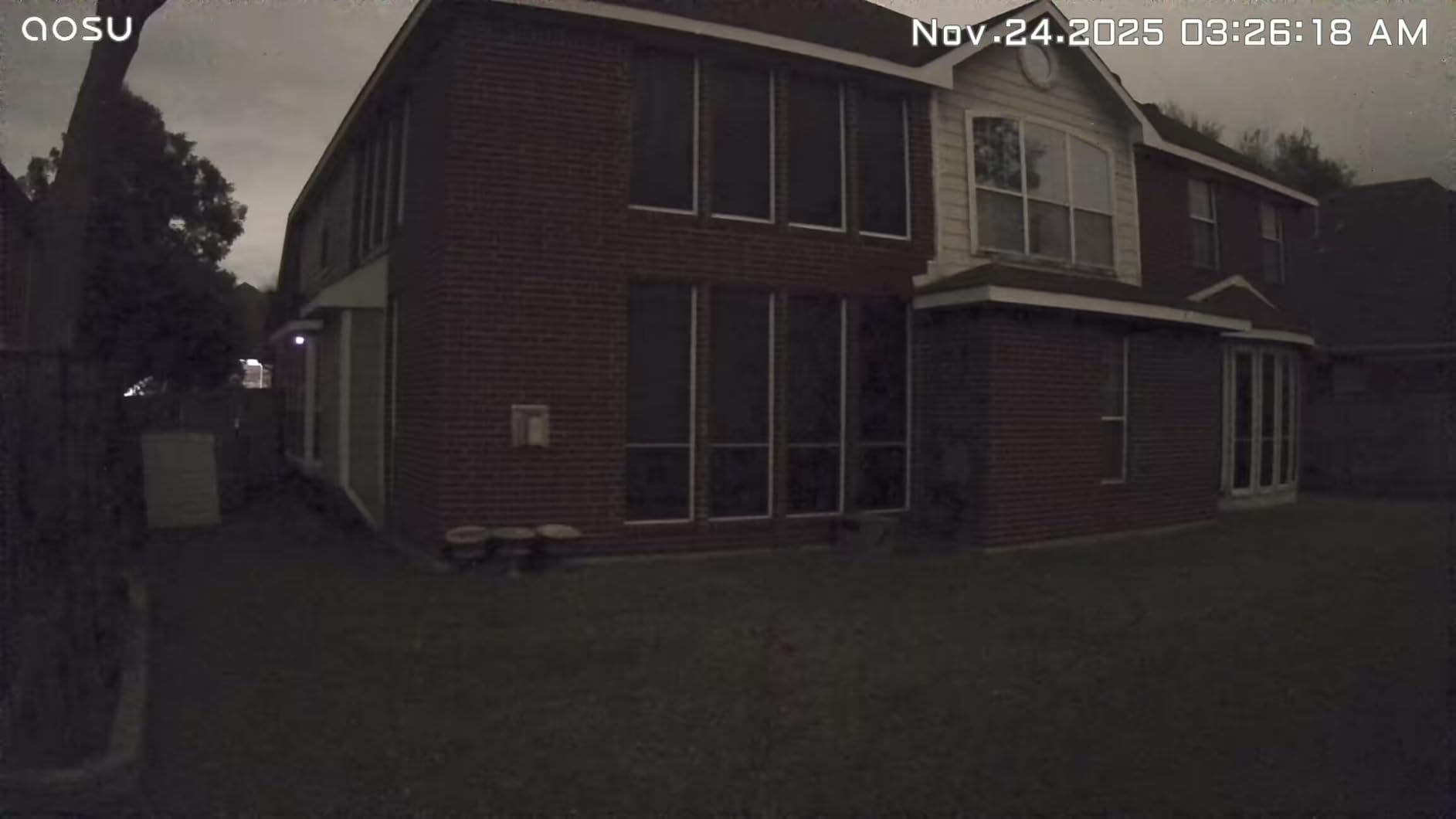
One camera solves one problem. If your property has a gate, a long drive, a side path, and a back door, the D1 Classic kit is the only product here that treats that as the normal case rather than the exception. Four solar cameras come with a base station that stores everything locally.
The hub holds 32GB and records on a loop for up to four months, encrypted, with no subscription attached. For anyone who wants a full property on camera without a recurring bill, that is the feature that decides the purchase.
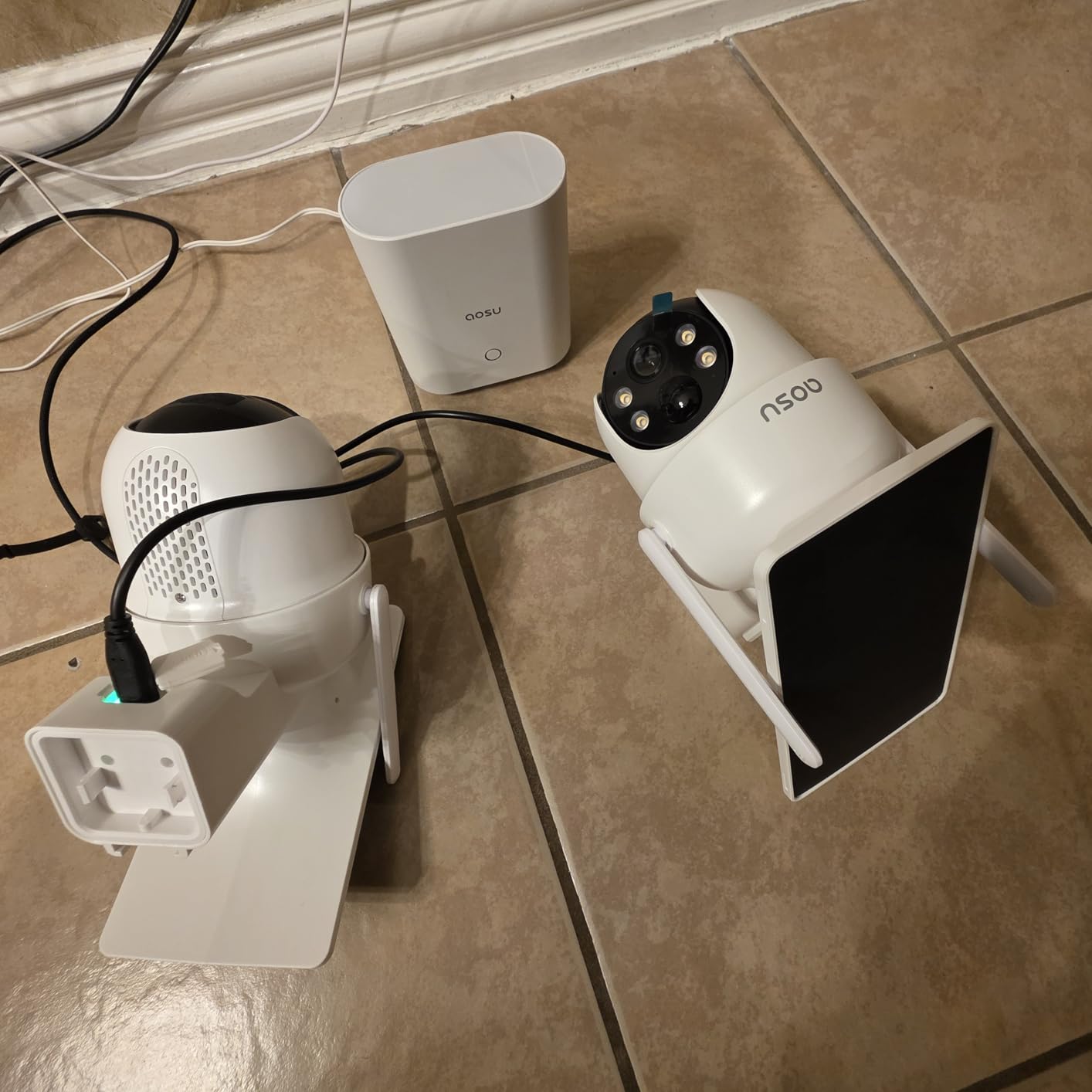
Cross-camera tracking is the quietly excellent part. When an event fires, the system follows the same person or vehicle across the four units, so instead of scrubbing four recordings you get one sequence from four angles. Four live streams can be viewed at the same time, which is how you confirm a car left rather than approached.
Video is 2K, listed as 3MP, with 33-foot color night vision, and each camera pans and tilts with automatic motion tracking. The stated solar requirement is three hours of direct daylight a day, which is the most useful number on the box for planning a mount.
Why four cameras beat one zoom
On a large property, quantity beats magnification. A single 4K camera zoomed to the gate gives you a clear image of one spot, while four cameras give you coverage of the approach, the gate, the parking area, and the house, with tracking stitching the story together.
Reviewers of this kit point at the bundled hub storage and multi-camera coordination as the reason to pay more, and this model carries the highest five-star share of the aosu range.
Where the hub changes the plan
All four cameras must connect to the aosuBase, so this is a closed system. If you already own cameras from another brand, or you want to add a single camera later from somewhere else, this kit will not mix with them.
It is also the most expensive way to cover a driveway in this roundup, which only makes sense when you are covering the whole property in one go. For a single long drive, two cameras and a card is a more sensible spend.
7. Ring Spotlight Cam Plus Solar – Best Rated, Simplest Setup
Ring Spotlight Cam Plus, Solar | Two-Way Talk, Color Night Vision, and Security Siren (newest model) – White
1080p color night vision
Two motion-activated spotlights
Solar panel, quick release battery
Pros
- Highest average rating in the group at 4.8 stars
- Solar panel keeps the battery full with roughly 4-5 hours of sunlight
- Bright motion-activated spotlights deter and illuminate
- Customizable motion zones cut neighbor and street alerts
Cons
- 1080p resolution sits below the 2K and 4K models here
- Fixed camera with no pan or tilt
- Full cloud video history and AI alerts require Ring Protect
The Ring Spotlight Cam Plus Solar carries the highest satisfaction score of anything we reviewed, at 4.8 stars across more than 2,800 reviews, and the reason is simplicity. The bundle includes the camera, the quick release battery, and the solar panel, so there is nothing else to buy before mounting.
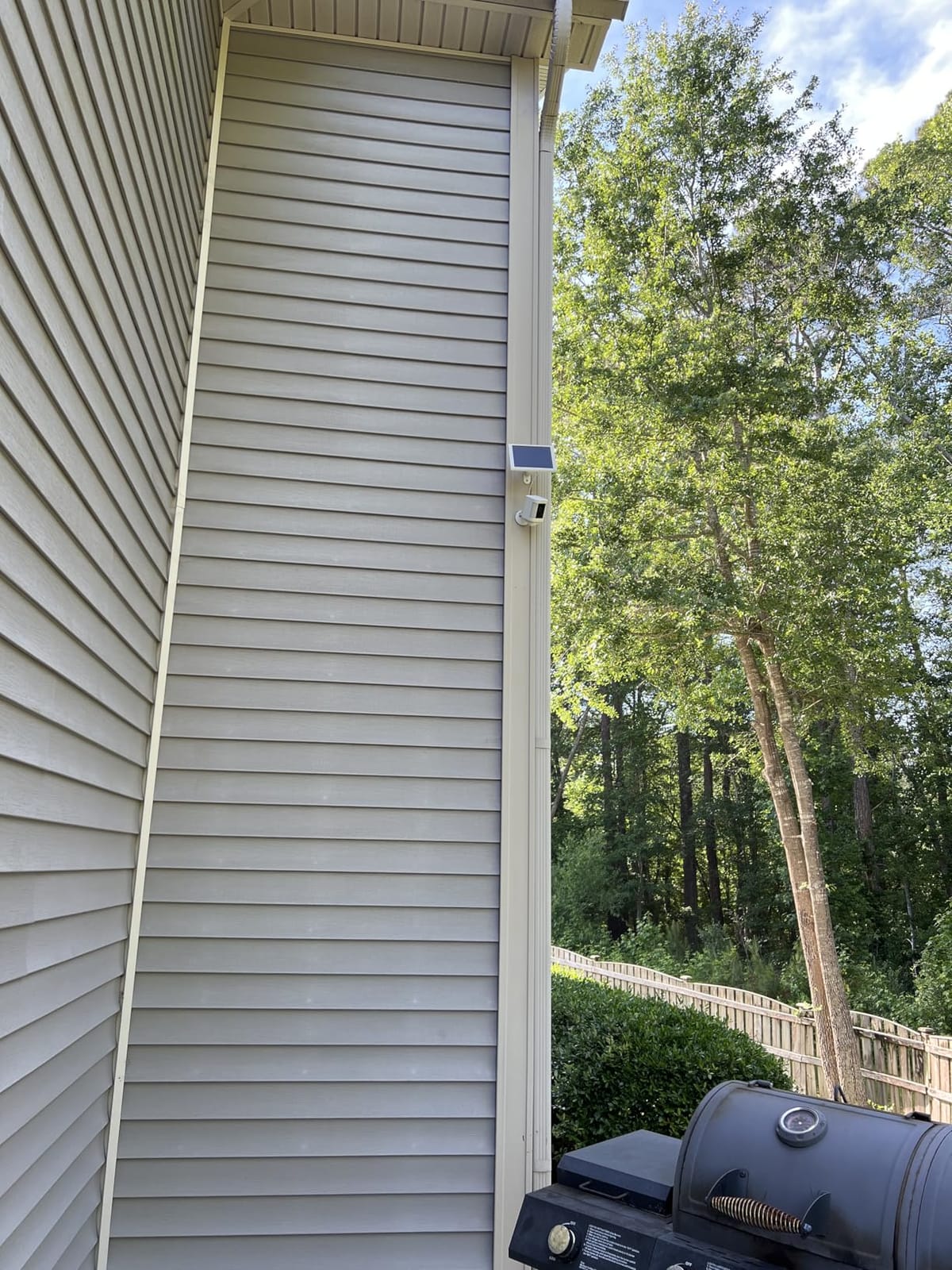
For a driveway, the two motion-activated LED spotlights are the draw. They light the scene on movement and act as a visible deterrent, which is often more effective on a night arrival than a higher resolution image would be.
Customizable motion zones are genuinely useful at a driveway mouth, since trimming the zone to the drive rather than the street removes a large share of pointless alerts. The app and Alexa integration are the most polished in this group, and two-way talk is built in.
The trade is resolution and the lens. This is 1080p with a fixed wide angle, no pan and no tilt, so you aim it once and it stays aimed. That is a real limitation on a long or curved drive, and it is why this sits at seven rather than first.
Best for a straight drive with night traffic
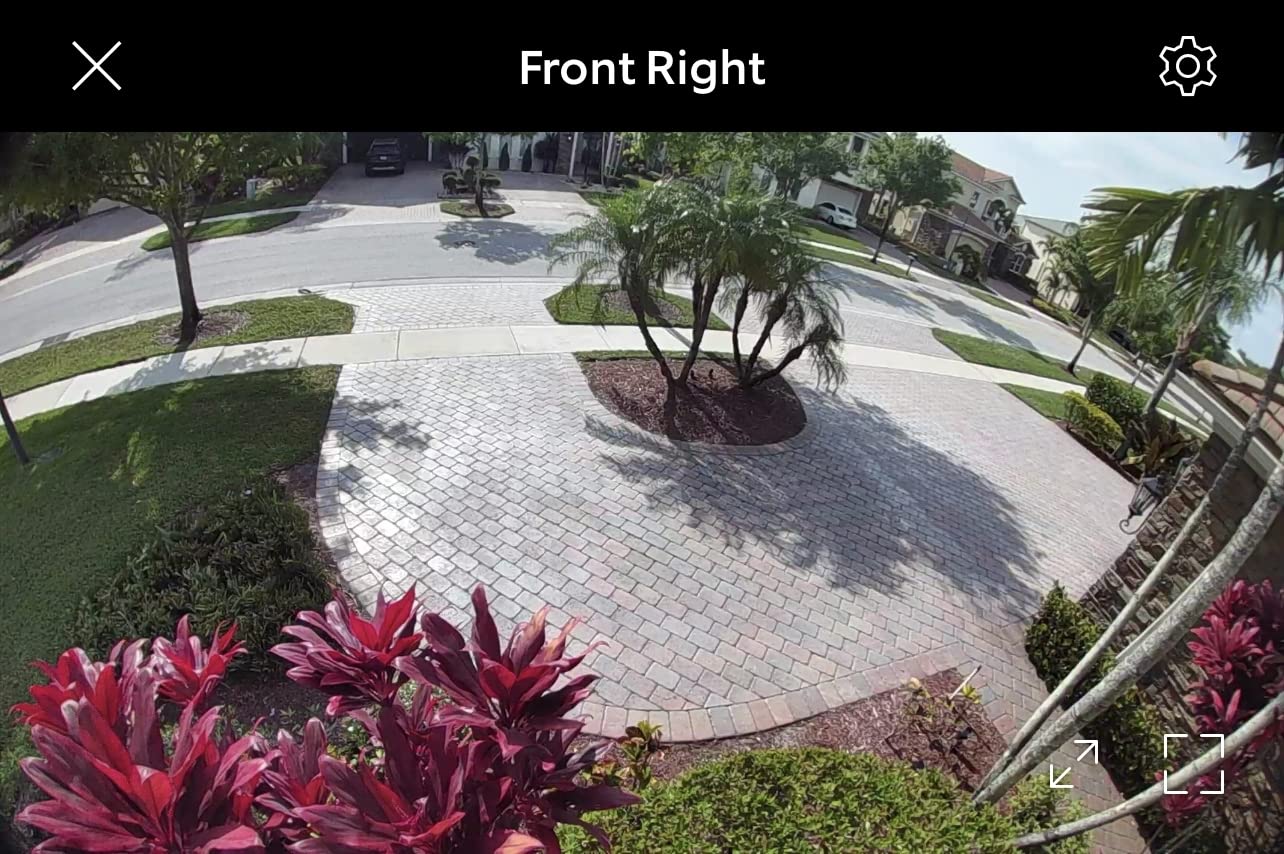
If your driveway is straight, clearly framed from the house, and the events you care about happen after dark, this camera does the job with less configuration than anything else here. Four to five hours of sunlight is all the panel asks for, which is achievable on most driveway-facing mounts.
The 86 percent five-star share across its reviews reflects consistency rather than excitement, and owners mostly mention the ecosystem and the solar upkeep rather than the picture.
Where the subscription question bites
Full cloud video history and AI alerts sit behind Ring Protect, and there is no local storage route at all on this model. If your priority is avoiding recurring fees, that rules it out no matter how well it performs.
Skip it if you need to identify a person or a plate, or if you need to follow movement down a long drive. Our 4K security camera guide covers the higher-resolution options in more depth.
8. Hiseeu 4MP Solar Two-Pack – Dual-Band Wi-Fi on a Budget
Hiseeu 2K 4MP Solar Security Cameras Wireless Outdoor, 2.4G/5G Home WiFi
4MP 2560x1440 sensor
Dual-band 2.4GHz and 5GHz
5200mAh battery
IP65
Pros
- Dual-band Wi-Fi is rare at this level and suits modern mesh networks
- 4MP sensor is sharper than the 2K budget options
- Two cameras and two panels in the box
- Color night vision spotlight plus siren for deterrence
Cons
- 135 degree fixed field of view with no pan or tilt
- Cloud storage costs extra beyond the trial
- SD card not included
Most cameras in this roundup are 2.4GHz-only, which quietly disqualifies them on a 5GHz-only network. The Hiseeu pack is one of only two here with dual-band 2.4GHz and 5GHz support, and on a newer router that is the difference between pairing in a minute and not pairing at all.
The sensor is the other reason to look. It is a 4MP 2560 by 1440 sensor, which is a genuine step up from the 2K options at similar cost, and it runs with H.264 encoding at 15fps. Night footage is full color when the LED spotlight fires, out to 33 feet.
Power is a 5200mAh battery that the maker rates at about two hours of direct sun per day, which is one of the more realistic figures published in this category. The housing is IP65 with a one-year replacement warranty, and a siren plus two-way audio are included for deterrence.
Detection is PIR with AI human detection and adjustable sensitivity, so you can pull the range back from the road. Storage is a microSD card, not included, or optional cloud beyond a trial period.
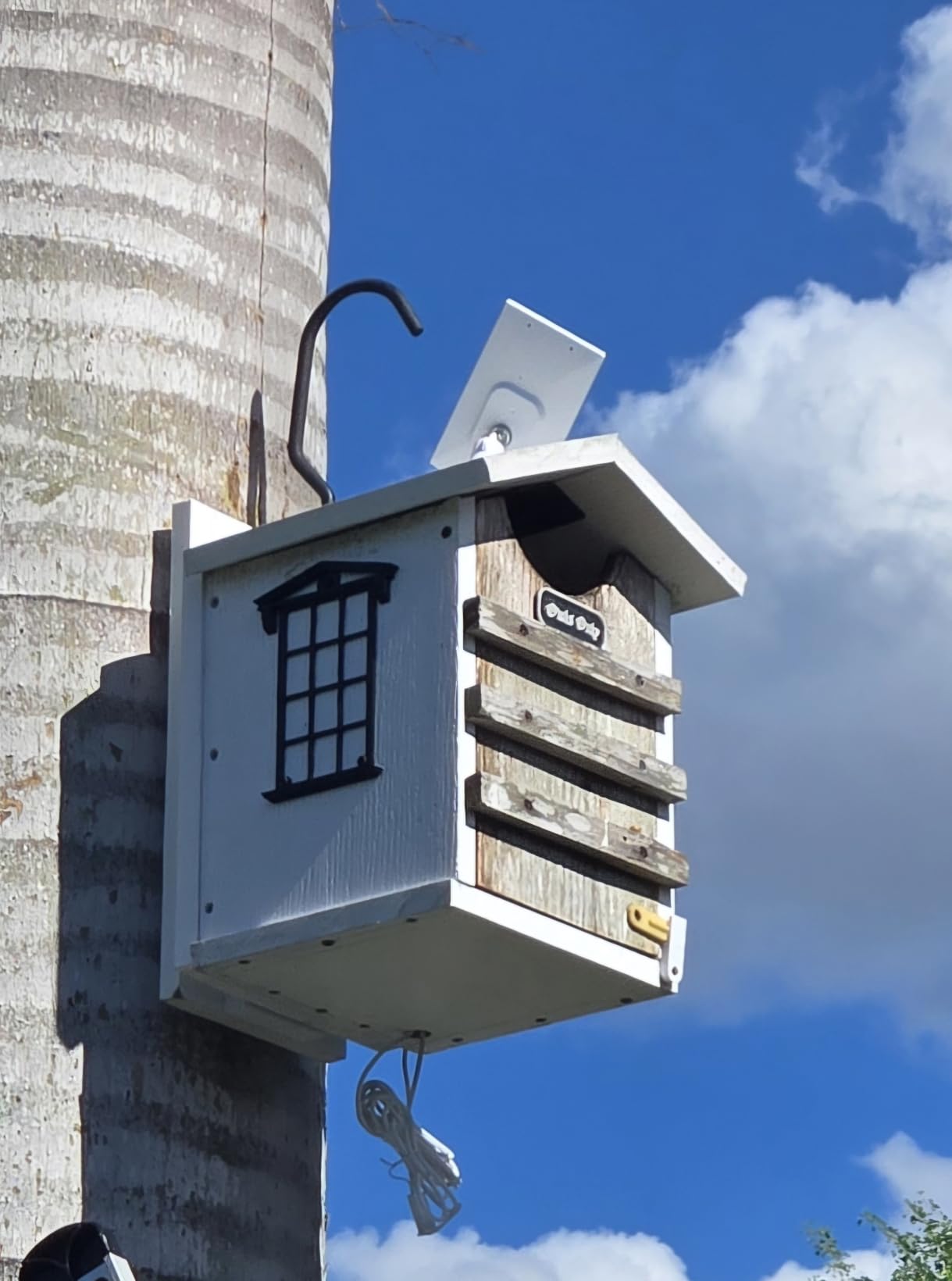
Better detail without 4K pricing
For a driveway where you want to tell a car from a pushbike at 30 feet, 4MP at 15fps is more useful than a higher headline number with heavy compression. The two-camera, two-panel format also lets you cover a drive and a side gate in one purchase.
The fixed 135 degree lens is the trade. There is no pan or tilt, so a curved or very long driveway will not fit in the frame and you will need a second mount higher up or a different camera.
When to pick a pan-tilt model instead
If your drive bends or you want the flexibility of following a subject, the money is better spent on a pan-tilt camera such as the ZEEPORTE or the SEHMUA. A fixed high-detail camera works best on a straight, predictable approach where the vehicle always passes the same point.
Also buy a card on the same order, since the pack does not include one and the cloud tier is a paid add-on after the trial.
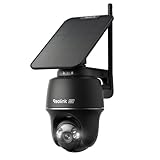
9. REOLINK Argus PT Ultra 4K – Sharpest Sensor, Subscription-Free
REOLINK Argus PT Ultra First 4K Solar Security Cameras Wireless Outdoor
8MP 4K sensor with spotlight
355/140 degree pan/tilt, auto-tracking
Detachable 3W solar panel
Pros
- Sharpest sensor in the group at 8MP 4K
- 355 and 140 degree pan-tilt with auto-tracking follows vehicles
- No subscription with 512GB microSD or Home Hub support
- Integrates with existing Reolink NVR setups
Cons
- 3W panel may not keep up with heavy continuous use
- Some units reported failing to hold charge in low-sun periods
- IP64 is less sealed than the IP65 models here
The Argus PT Ultra has the sharpest sensor we tested against the data we gathered, an 8MP 4K sensor, and the storage story is the most flexible here: microSD up to 512GB, a Reolink Home Hub, or an FTP server, all with no subscription. If your priority is a sharp image and no recurring bill, this is the model to compare against the eufy.
Mechanics are strong for a driveway, with 355 degrees of pan, 140 degrees of tilt, and intelligent auto-tracking that follows people, vehicles, and animals. Detection zones are customizable, so you can ignore the road and watch only your drive.
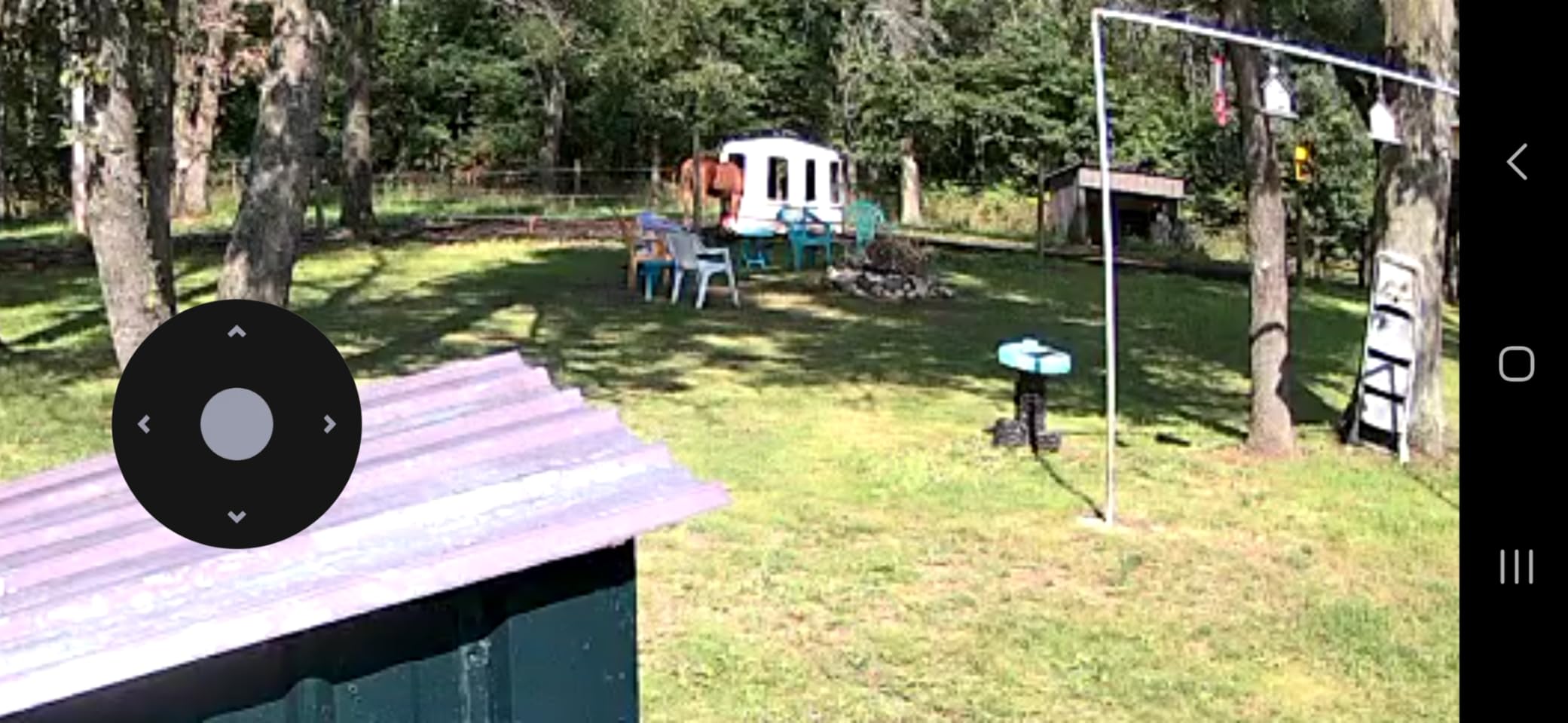
The panel detaches, and the maker claims about 20 minutes of daily sun keeps it running, which is a startling figure next to the two-to-four hour requirements elsewhere. In practice, reviewers report that a small 3W panel can struggle in low-sun periods, and some units have dropped offline for that reason.
Night vision is listed as night color to 33 feet with a motion-activated spotlight, and the 2.4GHz and 5GHz Wi-Fi 6 radio is one of the better-connected options here. The seal is IP64, the weakest in this group, and the quick start instructions are thin, so expect to troubleshoot Wi-Fi setup and UID entry yourself.
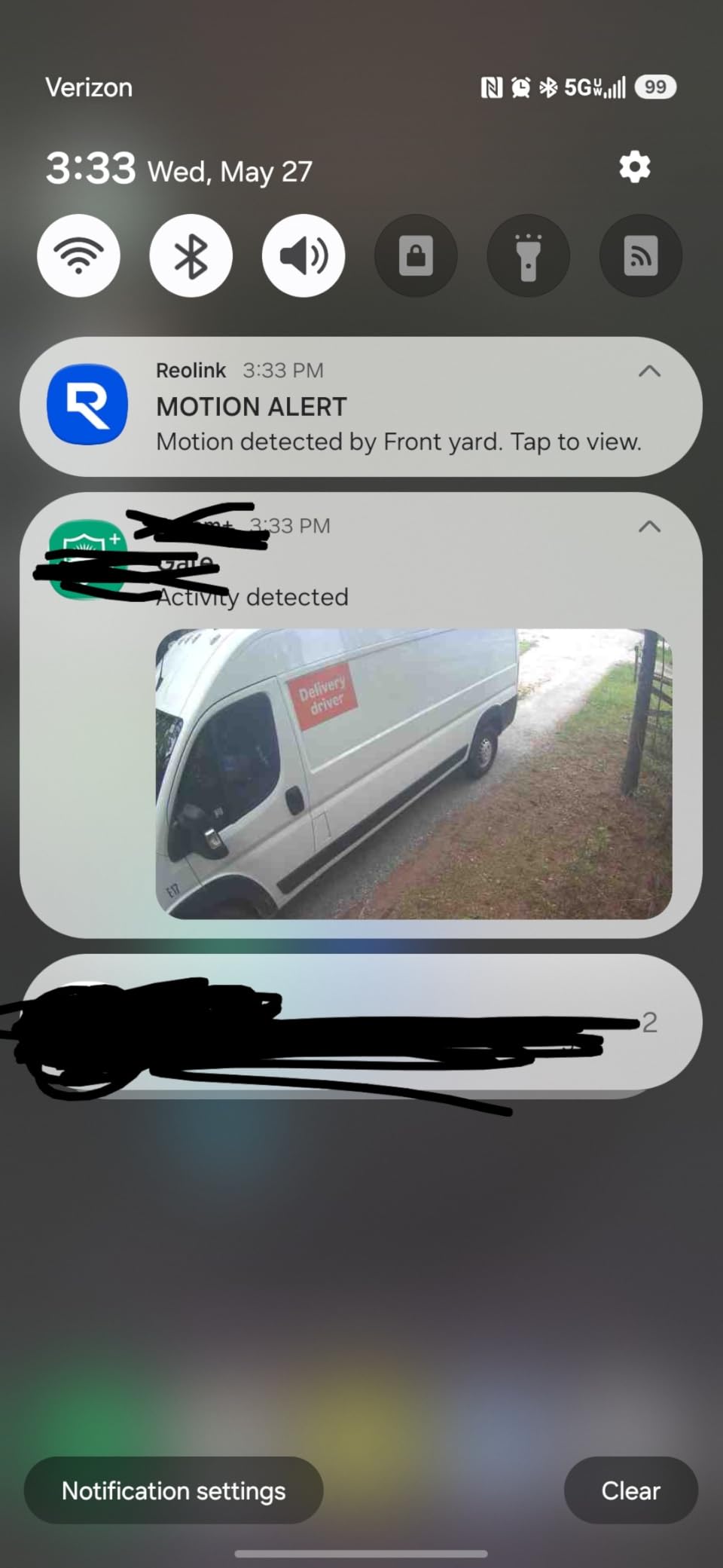
Best when detail decides the case
4K only pays off when you actually need to answer a question later, such as which vehicle was on the drive at 2am or what a person was carrying. At that point the sensor gap over the 2K models is real, and the H.265 encoding keeps file sizes manageable on a large card.
It also suits anyone who already runs Reolink hardware, because it drops into an existing NVR setup instead of starting a new app.
When the panel is the weak link
This is the model to think hardest about on a busy driveway. A 3W detachable panel is small, and the 4K sensor plus a pan-tilt motor is a lot of power to run from a small panel. If your drive generates frequent events, expect to reach for the battery more often than with the eufy S340 and its 10000mAh cell.
Skip it if your mount is exposed and unsealed matters, since IP64 is the least weather rating here, or if you want a camera that works out of the box with no setup friction.
10. Oculview 2K Solar Two-Pack – Loudest Deterrent on a Budget
Oculview 2K Solar Security Cameras Wireless Outdoor, 2PCS Outdoor Camera Wireless with 360° View, Cameras for Home Security with Color Night Vision, Only Support 2.4GHz Wi-Fi
Two 2K PTZ cameras, 4x zoom
Color night vision to 49 feet
Audio warning and spotlight
IP65
Pros
- Two 360 degree solar cameras make a two-point driveway setup affordable
- Audio warning and spotlight alarms give real deterrence options
- Long 49-foot listed night range for a budget unit
- SD card or cloud keeps the subscription optional
Cons
- 2.4GHz Wi-Fi only and will not pair to 5GHz-only networks
- No auto motion tracking
- Runs on the Ubox app rather than a vendor ecosystem
The Oculview pack is the loudest camera here, and on a driveway that may be the point. It offers three alarm modes: an audio warning, a spotlight, and an app push, so a vehicle arriving at night triggers a visible and audible deterrent rather than a silent clip you find the next morning.
Each camera is a 2K PTZ unit with 4x digital zoom and a 360 degree panoramic view, powered by its own solar panel and rechargeable battery. The two-pack format means a drive and a gate or a parking bay in one order.
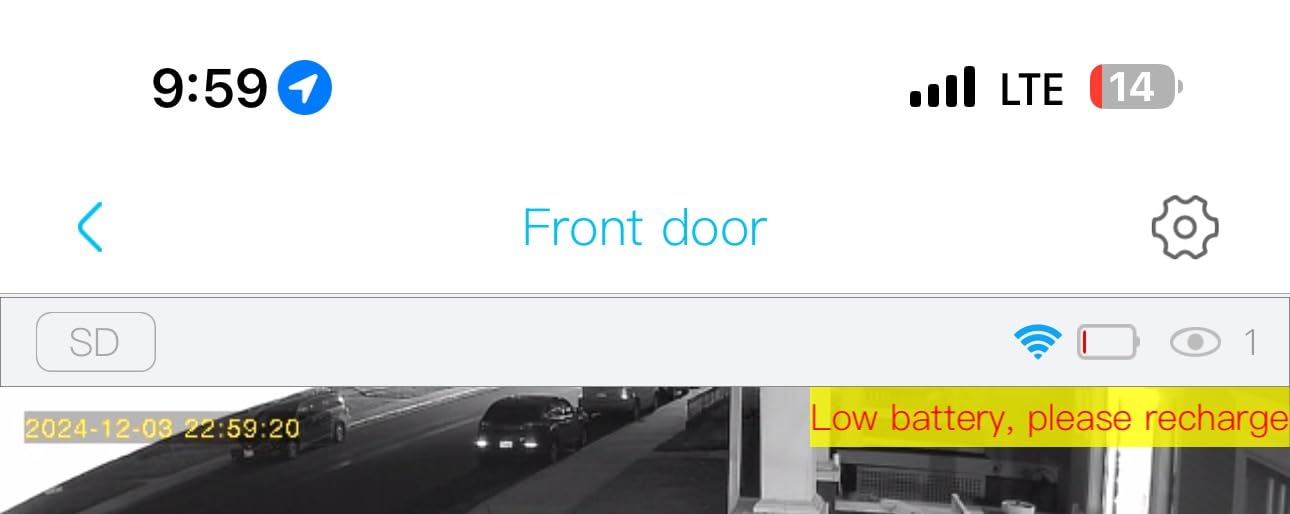
The night range figure of 49 feet is longer than any other published figure in this group, and night vision is 2K color, which is sharper than most of the budget competition after dark. Two-way audio is included, so you can speak to someone at the gate.
What you give up is tracking. There is no auto motion tracking, so the camera holds the angle you set, and it uses the Ubox app rather than a brand ecosystem, which means less long-term support if you expand later. The card is not included and cloud is a 30-day trial.
Good for a gate that needs announcing itself
Where the Ring draws attention with brightness, the Oculview does it with all three channels at once, which is useful on a gate at the far end of a drive where a person might not think to look for a camera. Two cameras at opposite ends of a property also mean no blind corner.
For a family that wants a visible signal rather than silent evidence, that combination of audio warning, spotlight, and push notification is the reason to buy this pack.
When it is the wrong pick
Choose a tracking camera if you need a subject followed across the frame, since this one stays where you point it. And check your router first: 2.4GHz-only is the single most common reason budget cameras never finish pairing.
Skip it if you need 4MP detail, continuous recording, or an ecosystem you can grow into. The ZEEPORTE and the aosu pan/tilt model both track, and the aosu kit handles multi-camera storage.
11. eufy Security SoloCam E42 4K – Built for License Plates
eufy Security SoloCam E42, 4K Solar Security Camera, AI Facial Recognition
4K UHD, plate recognition to 33 feet
SolarPlus 2.0 panel
360 degree pan/tilt
microSD 128GB
Pros
- 4K detail with listed license plate readability at driveway distances
- AI tracking of people and vehicles cuts false alerts
- SolarPlus 2.0 keeps it charged from a small panel
- No monthly fee with up to 128GB of microSD
Cons
- 2.4GHz Wi-Fi only
- microSD card not included
- A HomeBase hub is required for the AI-enhanced features
This is the only camera in the roundup with license plate recognition listed as a capability, reading plates up to 33 feet. That single spec answers the question almost every driveway buyer asks, and it is the reason to choose this model over a cheaper 2K unit.
It is a 4K UHD sensor with AI motion detection and smart tracking of people and vehicles, on a 360 degree pan and tilt mount. A motion-activated siren with a strobe light handles the deterrence side, so the camera both warns and records.
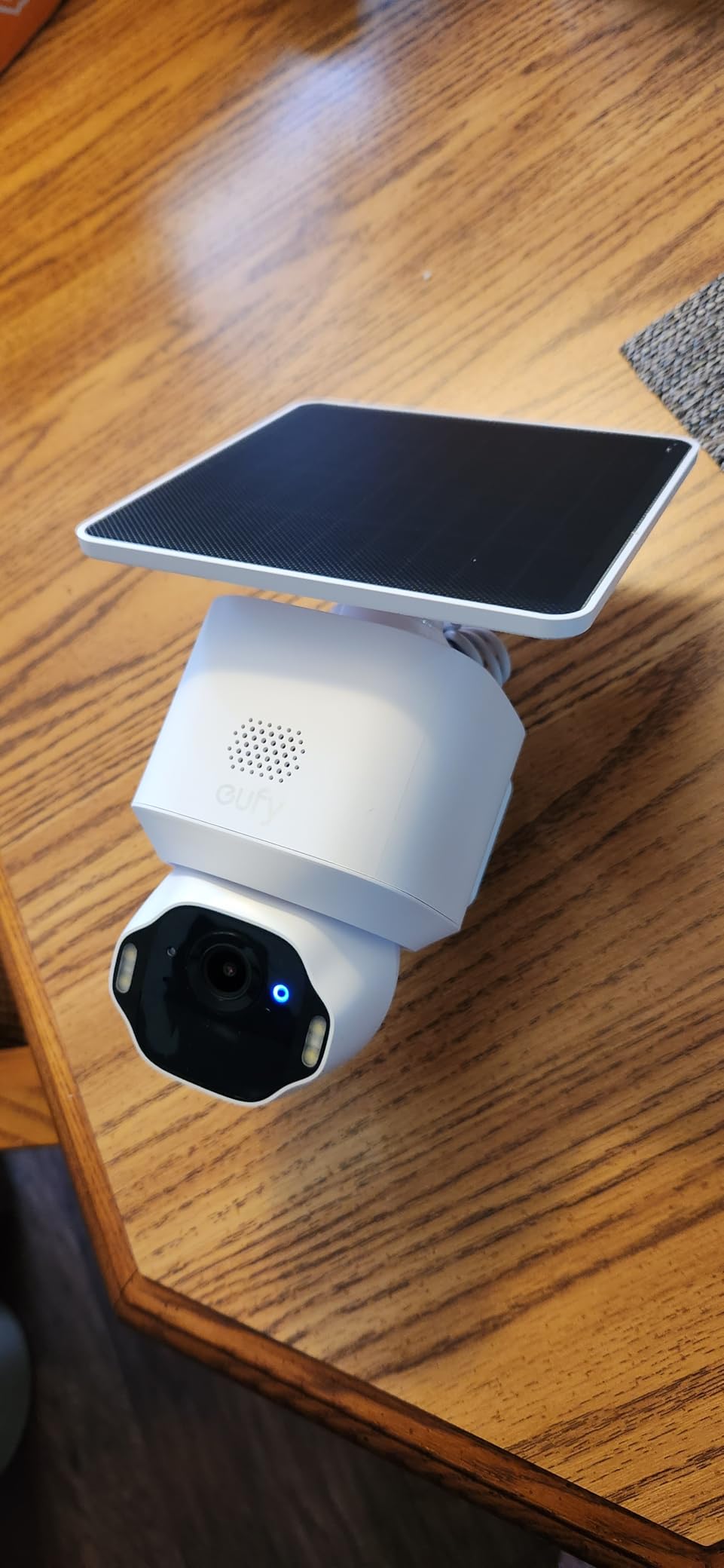
The SolarPlus 2.0 panel is rated at about two hours of daily sunlight, a far more realistic figure than the twenty minutes claimed by the Reolink. Storage is microSD up to 128GB with no subscription, and it scales to 16TB local through a HomeBase S380 if you want months of history.
Two limitations to plan around. It is 2.4GHz-only, and the card is not included. The HomeBase hub is needed for the AI-enhanced features, which is a real cost if you want face-level detection rather than basic person alerts.
When a plate number changes the outcome
Identification matters in a small number of situations: an insurance claim, a dispute about a delivery, a neighbour dispute. For those, a listed plate-reading capability at 33 feet is worth more than a sharper general image, and this is the only model here that claims it.
Be realistic about the range. Thirty-three feet is a driveway arrival, not a vehicle at the far gate, and plates need to be lit, so the night result depends on the scene rather than the sensor alone.
Where the hub and card add up
Budget for two extras: a microSD card, and the hub if you want the AI features rather than plain person detection. Without the hub you still get 4K recording and local playback, which covers most needs.
Skip it if you run a 5GHz-only network. For long off-grid or remote property coverage with no router at all, a cellular camera or a wired system is a better fit than any Wi-Fi model here.
12. Gianteye 2K Solar Two-Pack – Best Rated Value Set
Gianteye 5G Solar Security Cameras Wireless Outdoor, 2K Cameras for Home Security Outdoor, Security Cameras Wireless Outdoor with Color Night Vision, 2-Way Talk, PTZ Human Detection, 2 Packs
2K sensor, spotlight night vision
Solar panel plus battery
360 degree pan/tilt
Dual-band Wi-Fi
Pros
- Highest average rating among the value two-packs at 4.4
- Dual-band 2.4GHz and 5GHz avoids dropouts on newer routers
- Color video day and night with a motion-triggered spotlight
- Two-way audio and siren for deterrence
Cons
- Long solar panel cable needs routing to position the camera
- App navigation is less intuitive than larger ecosystems
- Not compatible with any base station
The Gianteye pack posts the highest average rating among the two-camera value sets we reviewed at 4.4 stars, and the spec sheet explains why. It is a two-camera 2K set with simultaneous 2.4GHz and 5GHz dual-band support, a combination that is uncommon at this level and removes the pairing and dropout problems that plague the 2.4GHz-only models.
Each camera has a solar panel plus a backup battery, so the unit keeps running through a short dull spell even if the panel is momentarily shaded. Video is 2K at 2304 by 1296 with a human-triggered spotlight for color night vision.
Detection is PIR plus AI human detection with an adjustable 16 to 29 foot range, and the camera pans and tilts 360 degrees with digital zoom from the app. Alexa voice control and SmartThings support are included, and storage is microSD up to 128GB or optional cloud with no mandatory subscription.
The one owner we found reporting an extreme weather event describes the cameras as having kept working through a tornado and a full power outage, which is a useful data point for anyone installing at a gate or a barn.
Two good cameras for less than one good premium one
For most suburban driveways the question is coverage, not quality, and this pack gives you a 360 degree view at two points for less than a single premium camera. The dual-band radio means it will join a modern mesh network without a workaround, which is the reason we rate it above the other value two-packs here.
The 4.4 average across its reviews, with a 74 percent five-star share, suggests the complaints are about convenience rather than performance.
What the cable and the app cost you
The solar panel is connected by a long cable, so the panel and the camera body are effectively separate mounts. That is a feature on a driveway, since you can point the panel at the sun and the camera at the gate, but it is a cable to route and secure.
Skip it if you need a hub or multi-camera recording later, since this does not work with any base station. For properties with outbuildings, our off-grid camera guide covers setups beyond a single driveway.
How solar charging actually works on a driveway camera
A solar security camera is not powered by the panel. It is powered by a battery, and the panel is a trickle charger that puts back what the camera spent overnight. That distinction explains every battery complaint you will read about this category.
Four things determine whether the balance works. First, hours of direct sun, not hours of daylight, since a north-facing or shaded panel produces a fraction of the output. Second, panel wattage, where 2W and 3W are the common sizes here. Third, how much motion the mount sees, since every triggered event costs power. Fourth, the battery itself, which ranges from 5000mAh to 10000mAh in this roundup.
Long-term owners also report two losses that are rarely mentioned. Dust and pollen buildup on the glass can cut charging efficiency by around a fifth before anyone notices, and a housing-mounted panel can work its mounting screws loose over time in wind, so a yearly check of the fixings is worth the five minutes.
How much sun and panel wattage a driveway camera needs
The honest rule is simple: count hours of direct sun at the exact mount point before you look at any other spec. Below roughly three hours, a 2W panel on a busy driveway will not hold charge, and you should either move the camera, add a bigger panel, or accept a wired camera instead.
Above four hours, almost every camera here works, and the differences between them come down to battery size. For a quiet lane, 5000mAh is fine. For a driveway with regular traffic, we would want 10000mAh, which is why the eufy S340 is our premium pick.
Cold cuts into the same budget. Owners running solar cameras through winter report batteries performing closer to 7000mAh when a 10000mAh cell drops below freezing, and a stretch of heavy winter cloud has taken units offline entirely. Treat the mAh figure as a summer number and add margin if you are in a low-sun climate.
Wi-Fi or 4G LTE for a long driveway
Most of these cameras are 2.4GHz-only, including the ZEEPORTE, the SEHMUA, the Cinnado, the aosu pan/tilt model, and the eufy E42. That is fine on most routers, since 2.4GHz reaches further, but it will fail outright on a 5GHz-only network. Two options here are dual-band: the Hiseeu and the Gianteye.
A long rural driveway raises a different problem. If the house router sits at the end of a 300-foot drive or inside a metal outbuilding, no Wi-Fi camera will hold a reliable link, and a 4G LTE model with a SIM is the correct answer even though none of the twelve here offers it.
Test before you mount. Stand a phone at the intended camera position, join the network, and watch a video stream for a minute. If it stutters there, it will stutter in the rain.
Local microSD versus cloud subscription
Four cameras here record locally with no subscription at all: the eufy S340 with 8GB built in, the eufy E42 up to 128GB, the Reolink Argus PT Ultra up to 512GB, and the aosu D1 Classic with 32GB in its hub. The rest offer a card route with cloud as an optional extra.
That matters more on a driveway than anywhere else, because a driveway is where you will want to check footage after an incident rather than watch it live. Over three years a monthly cloud plan becomes a meaningful share of what the camera cost, and a card is a one-time purchase you never think about again.
The Ring Spotlight Cam Plus Solar is the exception worth flagging. It has no local storage route, so recorded history and AI alerts depend on a paid plan. It is the best-rated camera here, and the least appropriate if avoiding recurring fees is a priority.
One practical point from the reviews: check whether the card is in the box. Several of these products do not include one, and a camera with no card and no subscription records nothing you can play back later.
Planning driveway coverage: approach, stop point, departure
A driveway is not one moment, it is three. A vehicle crosses your property boundary, it stops or turns at a point, and it leaves. A camera that covers only the first will show you a car entering and nothing more. A camera that covers only the second will miss anyone who walks up on foot.
Approach is the longest range and needs the widest lens, which is the argument for a pan-tilt model. The stop point is where identification matters, and this is where resolution and night lighting decide whether you can tell a face from a shape. The departure is often the clearest view of all, since a reversing vehicle is stationary and lit by its own lights.
Here is the honest limit. Only the eufy E42 lists license plate recognition, and it is rated to 33 feet. Everything else will show you a vehicle, its color, and its direction. Treat any claim of readable plates at 100 feet on a budget camera as marketing.
One more decision: fixed frame or movable view. A pan-tilt camera can be moved from your phone to follow a subject, which is flexible, but a driveway entrance can quietly end up out of frame after someone nudges the view. If the entrance is what you care about, a fixed camera aimed at it, or one with a saved preset, serves you better.
What to do when your driveway spot gets no direct sun
Shade is the number one reason solar cameras disappoint, and it shows up constantly in homeowner discussions, particularly at wooded gates and under wide eaves. If your intended mount gets less than three hours of direct sun, do not buy solar for that spot. Work through these four options instead.
First, relocate the mount. Moving a camera 15 feet to a sunnier post is the cheapest fix and often the whole solution. Second, separate the panel using an extension cable so the panel faces the sun while the camera faces the driveway, which the eufy S340 and the Reolink Argus PT Ultra both support through their detachable panels. Third, move to 4G LTE with a SIM, which removes the need for a panel that feeds a camera that is genuinely in deep shade. Fourth, go wired, with a low-voltage run or PoE, which is more work and more cost but never fails.
If none of those work, be honest about whether you need a camera there at all. A gate at the end of a shaded drive may be better covered by a wider camera at the sunny house end, aimed down the full length.
Installation mistakes that shorten solar battery life
Most premature solar failures come down to five avoidable mistakes. The first is pointing the panel at the driveway instead of the sun, which is the most common error we see in install questions. The second is setting a wide motion zone, so passing traffic on the road triggers your driveway camera all afternoon and drains the battery for footage you will never use.
The third is leaving detection at maximum range, which pulls in the street and any moving foliage. The fourth is skipping the card, so the camera has no storage route and either does not record or relies on a paid tier. The fifth is ignoring the fixings, since wind load loosens housing-mounted panels over a season or two.
Finish with an acceptance test. Have someone drive up, stop, and leave, then open the app and find all three clips: the arrival, the stop, and the departure. If any of the three is missing, adjust the zone, the range, or the angle and run the test again before you call the install finished. Our barn and outbuilding camera guide covers the same placement logic for larger rural properties.
Frequently Asked Questions
What is the best solar-powered outdoor security camera?
For most driveways, the ZEEPORTE 2K pan/tilt model is the best solar-powered outdoor security camera because one mount covers a 355-degree sweep, it runs on a 2W panel and 5200mAh battery, and it records to a microSD card without a subscription. Choose the eufy SoloCam S340 instead if you want a 3K sensor and a 10000mAh battery for heavy traffic.
Do solar-powered security cameras really work?
Yes, with conditions. They work reliably where the panel gets roughly four or more hours of direct sun and the drive does not trigger motion constantly. They struggle with deep shade, a north-facing mount, and busy driveways where a small panel cannot refill a small battery fast enough. Most complaints trace back to one of those three.
What is a good driveway camera?
A good driveway camera covers three moments: the approach, the stop point, and the departure. That means either a pan-tilt model with tracking or a fixed wide frame aimed at the entrance, plus enough resolution and night lighting to identify a person at the stop point. Battery size matters as much as image quality on a busy drive.
Which brand solar camera is best?
Among the twelve reviewed, eufy offers the strongest image quality and subscription-free storage with the SoloCam S340 and E42. Reolink gives the sharpest sensor and the widest local storage options. Ring is the simplest to set up but requires a subscription for video history. The aosu kits win on multi-camera coverage.
Are there solar cameras that don’t require a subscription and don’t require WiFi?
No subscription is common: the eufy S340, the eufy E42, the Reolink Argus PT Ultra, and the aosu D1 Classic all record to local storage. Wi-Fi is harder to avoid, since every camera in this roundup is Wi-Fi based. For a driveway beyond router range, look for a 4G LTE model with a SIM card instead.
The Best Solar Security Cameras for Driveways in 2026
The ZEEPORTE 2K pan/tilt camera is our pick for most driveways, because the widest reach from one mount and the deepest review base in the group make it the safest default choice. Where image quality leads, the eufy SoloCam S340 pairs a 3K dual lens with the largest battery here and no subscription. Where one camera is simply not enough, the aosu D1 Classic kit covers four points and stores everything on a hub.
Before you order, count the direct sun at your exact mount and pick a battery that matches how busy the drive is. A solar security camera for driveways works when the panel is given a fair chance, and fails quietly when it is not. Check the sun first, then everything else in this guide becomes a much easier decision. We will keep updating this roundup through 2026 as new models land.